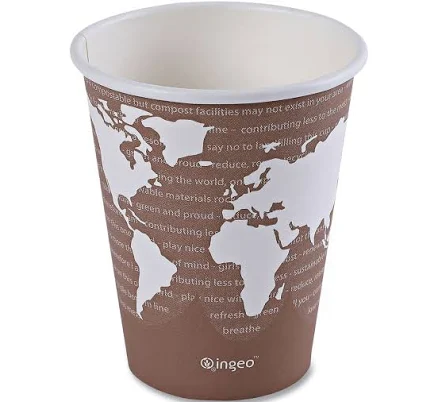
Eco-Products World Art Renewable Resource Hot Drink Cups
Medium-high risk. Skip until coating chemistry is disclosed.
Renewable paperboard with an undisclosed water and grease-resistant coating, typical of food-contact products historically made with PFAS. No explicit brand PFAS statement exists.
The better-graded swap
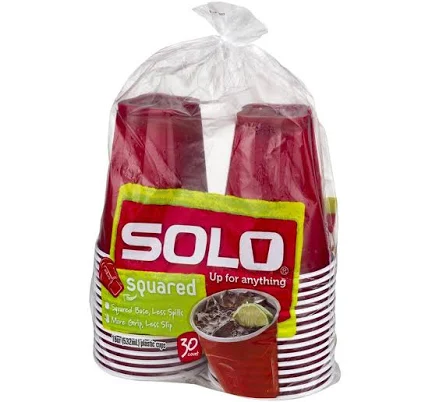
Solo
Solo Cup Company Grips Plastic Cups SQ1830
70/100 safety
Same rubric that flunked this product. The swap earned Good.
Still want this one anyway? Check the price on Amazon. We’d swap it.
Material
Paperboard with unknown water/grease-resistant coating
Brand disclosure
Vague / clean-washing claims
Lab data
No public lab test
You may also be interested in
Top-graded picks in the categories readers replace first, every one scored on the same rubric.

- polypropylene filter housing, carbon/sediment cartridge
- We found no PFAS statement from the brand
- Bacterial growth in spent cartridges
3 hazards checked on this product, all on its full breakdown.

Aquasure
Premier Series 75 GPD Under Sink Reverse Osmosis Water Filtration System
- RO membrane, carbon filters, stainless steel housing
- We found no PFAS statement from the brand
- Bacterial and microbial growth in housing and filters
4 hazards checked on this product, all on its full breakdown.

Avocado
Vegan Mattress
- organic cotton, natural latex, coconut coir, recycled steel coils
- The brand calls it PFAS-free, which we have not verified
- Heavy metals
2 hazards checked on this product, all on its full breakdown.
What Eco-Products World Art Hot Drink Cups is made of, ingredients and materials
Eco-Products World Art cups are paperboard (recycled fiber base) with an applied water and grease-resistant coating whose chemistry is not publicly disclosed. Paperboard itself is inert, but the functional coating is the critical safety component, it prevents liquid penetration and maintains structural integrity under heat. Without transparent disclosure of coating composition, the actual chemical exposure risk cannot be independently verified. The coating's durability and leaching behavior under typical hot-beverage use conditions (160-180F) are unknown from available public data.
What’s concerning
Category baseline
The starting point for this type of product, before anything specific to this product is counted.
Vague safety claims only
Uses vague language ("eco-friendly", "clean") without a specific PFAS statement.
Waterproof / stain-resistant treatment
Water-repellent coating treatments have historically used PFAS.
Undisclosed water-resistant coating leaching
The functional coating's chemical identity is not public. Coatings can leach oligomers or degradation products into hot beverages; risk level depends on coating type (PFAS vs. alternative), temperature, and contact time. Without disclosure or third-party testing of this specific product, leaching cannot be ruled out.
Coating degradation under thermal stress
Paperboard coatings can crack, blister, or flake at elevated temperatures or with repeated use. Visible coating damage increases direct contact between hot liquid and the paper base, potentially introducing fiber fragments or accelerating any residual coating leaching.
Microplastic/fiber shedding from damaged coating
If the coating degrades or is scratched by thermal cycling or mechanical wear, paper fibers and coating particulates may shed into beverages. The significance depends on exposure frequency and individual sensitivity; no quantified risk data for this specific product exists in public literature.
Inadequate compostability if coating is synthetic
If the water-resistant coating is synthetic (polyethylene, polyfluorinated, or silicone), industrial composting may fail to fully degrade it, defeating the environmental claim and creating persistent microparticulates in compost. Brand messaging often overstates compostability without specifying coating fate.
What’s reassuring
Ink or printed label transfer
Eco-Products World Art cups feature decorative artwork; if inks are not food-safe or contain heavy-metal pigments, contact with hot beverage could theoretically promote migration. No recalls or complaints are on record, suggesting standard food-compliant inks, but explicit certification is not published.
How is this PFAS grade calculated?
The brand's record and disclosure
Eco-Products markets itself as an environmentally conscious brand but has not published detailed material safety data sheets or coating chemistry for its cup product line. The brand claims renewable resource sourcing and compostability where applicable, but specific certifications (e.g., FDA food-contact compliance letters, third-party coating analysis) are not readily available on their website or product documentation. No public recalls or safety incidents specific to this product line have been documented, but the vague PFAS stance indicates the company has not committed to PFAS-free certification or transparent testing.
How it compares in its category
Most disposable hot-cup coatings fall into three camps, PFAS-based (traditional polyethylene or polyfluorinated barriers), silicon-based (less common, variable disclosure), or plant-derived (rare, usually costlier). Eco-Products' lack of transparent coating identity makes it difficult to rank favorably. Competing brands such as Footprint and some private-label suppliers now explicitly market PFAS-free paperboard cups with disclosed chemistries. Standard polystyrene foam cups carry no coating hazard but pose recycling and landfill concerns; this product trades that trade-off for an unknown coating liability.
If you buy it
Use only for beverages at or below typical hot-drink serving temperature (165F or less); avoid prolonged contact with very hot liquids or repeated reheating. Do not microwave or expose to direct heat above 180F, as coating stress increases leaching risk. Replace cups showing visible wear, flaking, or discoloration of the interior coating. If compostability is your priority, verify local industrial composting accepts this product; home composting will not break down the coating adequately, and the cup will persist in landfill.
What is not known about PFAS in this product?
- Basis
- Model estimate, 45% confidence, not a lab result
- Lab test
- None on record for this exact product
- Brand statement
- Eco-Products claims it without specifics
Formulations change between production runs, so check the current label. How we grade.
What are the PFAS-free alternatives to Eco-Products World Art Renewable Resource Hot Drink Cups?
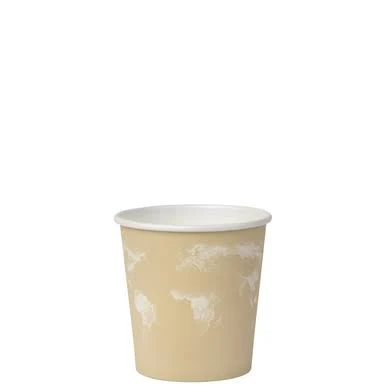
- Plant-based compostable PLA coating
- A third party reports verifying it as PFAS-free
- Leachables from undisclosed grease-resistant coating
3 hazards checked on this product, all on its full breakdown.
- polystyrene plastic (PS) with grip coating
- We found no PFAS statement from the brand
- Polystyrene monomer and oligomer leaching
4 hazards checked on this product, all on its full breakdown.
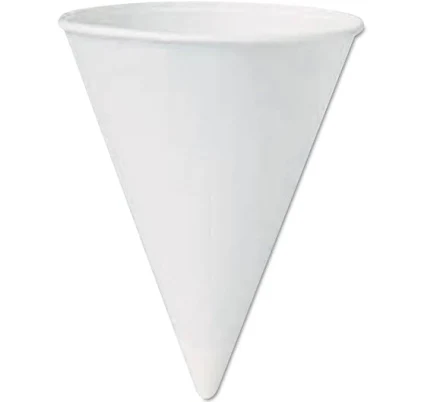
- Expanded polystyrene foam
- We found no PFAS statement from the brand
- Styrene monomer leaching
3 hazards checked on this product, all on its full breakdown.
Find an alternative on AmazonMore coffee cups grades
How we score, every product runs through the same public 0-100 rubric based on materials, coatings, brand disclosure, lab findings, and recalls. See the full methodology → Spotted a mistake? Report an error.