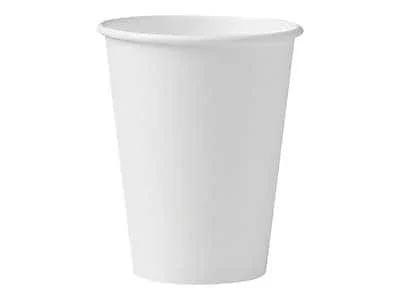
Dart Container Corporation Solo Cup Polycoated Hot Paper Cups
Medium-high risk. Skip; polycoated cups likely use PFAS-based grease treatment.
Polycoated barrier protecting paper from liquids and food oils, typically achieved with PFOA or PFAS-based fluorochemicals in this product category. Solo provides no public data.
The better-graded swap
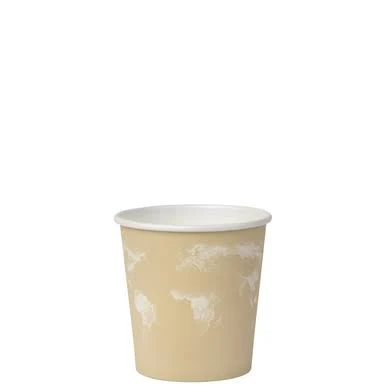
Eco-Products
Eco-Products World Art Hot Cups 4oz
70/100 safety
Same rubric that flunked this product. The swap earned Good.
Still want this one anyway? Check the price on Amazon. We’d swap it.
Material
paper with polycoated (plastic/wax) water barrier
Brand disclosure
Brand is silent on PFAS
Lab data
No public lab test
You may also be interested in
Top-graded picks in the categories readers replace first, every one scored on the same rubric.

- polypropylene filter housing, carbon/sediment cartridge
- We found no PFAS statement from the brand
- Bacterial growth in spent cartridges
3 hazards checked on this product, all on its full breakdown.

Aquasure
Premier Series 75 GPD Under Sink Reverse Osmosis Water Filtration System
- RO membrane, carbon filters, stainless steel housing
- We found no PFAS statement from the brand
- Bacterial and microbial growth in housing and filters
4 hazards checked on this product, all on its full breakdown.

Avocado
Vegan Mattress
- organic cotton, natural latex, coconut coir, recycled steel coils
- The brand calls it PFAS-free, which we have not verified
- Heavy metals
2 hazards checked on this product, all on its full breakdown.
What Dart Container Corporation Hot Paper Cups is made of, ingredients and materials
Solo's polycoated hot cups use a plastic or wax-polymer barrier laminated to paper to provide water and grease resistance without leaking. The polycoating is the critical layer, and polycoated food service cups have historically relied on fluorinated compounds (PFAS-family grease repellents) to achieve the necessary oil barrier. Dart Corporation has not publicly committed to reformulating this product line to remove PFAS, leaving the composition opaque to consumers.
What’s concerning
Category baseline
The starting point for this type of product, before anything specific to this product is counted.
No PFAS disclosure
No public statement from the brand about PFAS in this product.
Waterproof / stain-resistant treatment
Water-repellent coating treatments have historically used PFAS.
PFAS
Polycoated food-service cups conventionally use fluorinated grease repellents; Dart has not ruled this out for Solo cups. Hot and oily foods increase leaching risk.
Source, ATSDR ↗Plastic/polymer coating degradation over time
Repeated use, microwaving, or contact with hot acidic beverages can crack or degrade the polycoat, releasing small particles or increasing compound migration from the base resin.
Formaldehyde / VOCs
Paper-plastic laminates rely on adhesives; off-gassing is typically minimal in use but may occur at elevated temperatures or in enclosed spaces.
Source, ATSDR ↗Microplastics
Mechanical stress, dishwashing (if reused), or thermal cycling can release microparticles from the polycoat into hot liquid, though regulatory data is sparse.
Source, EPA ↗What’s reassuring
BPA & bisphenols
No specific BPA findings published for Solo hot cups, though polyester-based polycoatings may contain epoxy resins used in manufacture. Direct contact with beverage is limited by the paper layer.
Source, FDA ↗How is this PFAS grade calculated?
The brand's record and disclosure
Dart Container Corporation (Solo's parent/manufacturer) has maintained minimal public disclosure about PFAS use in food-service ware. The company has not published PFAS-free certifications, sourcing commitments, or reformulation timelines for polycoated cups. No major recalls tied to chemical leaching have been documented for this specific product, but absence of recall does not indicate absence of PFAS; regulatory testing of food-contact articles remains limited.
How it compares in its category
Polycoated paper cups dominate the single-use hot beverage market and most major brands (Solo, Dixie, store brands) use similar chemistries. Uncoated paper cups lack the barrier and leak. Some manufacturers (e.g., certain compostable brands) have moved to non-fluorinated or plant-based coatings, but these are less widely available and more expensive. Solo remains a market leader in polycoated cups without public PFAS-reduction messaging.
If you buy it
Hot beverages (above 60 degrees Celsius) may increase migration of coating compounds, especially if cups sit for extended periods. Do not reuse cups for storage or heating. For regular coffee drinkers, substituting reusable stainless steel or ceramic mugs eliminates this exposure entirely. If polycoated cups are necessary, use them once and discard; do not expose to extreme heat or fatty liquids that accelerate leaching.
What is not known about PFAS in this product?
- Basis
- Model estimate, 45% confidence, not a lab result
- Lab test
- None on record for this exact product
- Brand statement
- Solo has made none
Formulations change between production runs, so check the current label. How we grade.
What are the PFAS-free alternatives to Dart Container Corporation Solo Cup Polycoated Hot Paper Cups?
- Plant-based compostable PLA coating
- A third party reports verifying it as PFAS-free
- Leachables from undisclosed grease-resistant coating
3 hazards checked on this product, all on its full breakdown.
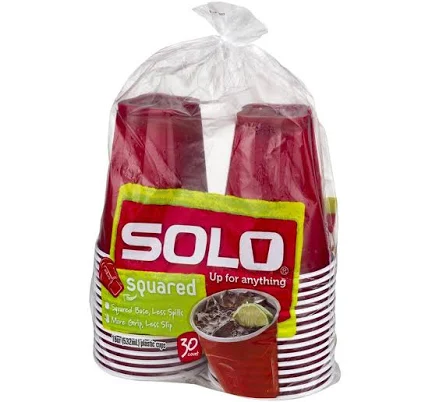
- polystyrene plastic (PS) with grip coating
- We found no PFAS statement from the brand
- Polystyrene monomer and oligomer leaching
4 hazards checked on this product, all on its full breakdown.
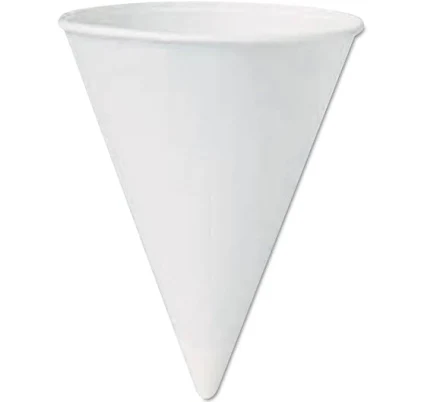
- Expanded polystyrene foam
- We found no PFAS statement from the brand
- Styrene monomer leaching
3 hazards checked on this product, all on its full breakdown.
Find an alternative on AmazonMore coffee cups grades
How we score, every product runs through the same public 0-100 rubric based on materials, coatings, brand disclosure, lab findings, and recalls. See the full methodology → Spotted a mistake? Report an error.