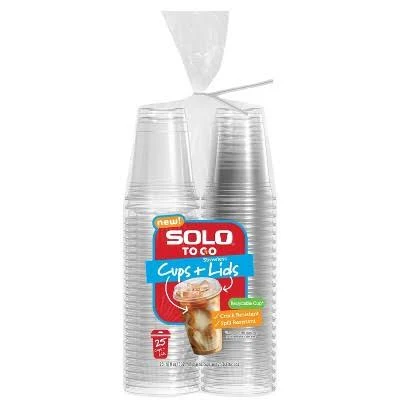
Solo To Go Strawless Cups with Lids
No coating described, and no PFAS statement from the brand.
The product information we reviewed describes polystyrene (PS) cup, with no water-repellent coating named. Water resistance on products like this usually comes from the material and its seals rather than a surface treatment. The brand has published no PFAS statement for it.
The better-graded swap
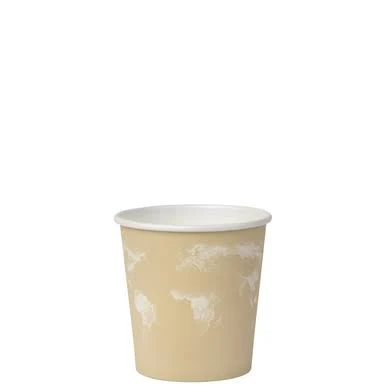
Eco-Products
Eco-Products World Art Hot Cups 4oz
70/100 safety
Same rubric that flunked this product. The swap earned Good.
Still want this one anyway? Check the price on Amazon. We’d swap it.
Material
Polystyrene (PS) cup
Brand disclosure
Brand is silent on PFAS
Lab data
No public lab test
You may also be interested in
Top-graded picks in the categories readers replace first, every one scored on the same rubric.

- polypropylene filter housing, carbon/sediment cartridge
- We found no PFAS statement from the brand
- Bacterial growth in spent cartridges
3 hazards checked on this product, all on its full breakdown.

Aquasure
Premier Series 75 GPD Under Sink Reverse Osmosis Water Filtration System
- RO membrane, carbon filters, stainless steel housing
- We found no PFAS statement from the brand
- Bacterial and microbial growth in housing and filters
4 hazards checked on this product, all on its full breakdown.

Avocado
Vegan Mattress
- organic cotton, natural latex, coconut coir, recycled steel coils
- The brand calls it PFAS-free, which we have not verified
- Heavy metals
2 hazards checked on this product, all on its full breakdown.
What Solo To Go Strawless Cups with Lids is made of, ingredients and materials
Solo To Go cups are polystyrene (PS, #6 plastic), a rigid, lightweight thermoplastic chosen for cost and insulation. Polystyrene is stable at room temperature and for cold or warm (not hot) beverages, but degrades and can leach styrene monomer when exposed to heat, fatty/acidic foods, or organic solvents. The strawless lid design means no additional material interfaces beyond the cup-lid seal, both polystyrene.
What’s concerning
Category baseline
The starting point for this type of product, before anything specific to this product is counted.
No PFAS disclosure
No public statement from the brand about PFAS in this product.
Styrene monomer leaching
Polystyrene is known to leach styrene monomer, a possible carcinogen (IARC Group 2B), when exposed to heat above 70-80C, hot beverages, fatty foods, or acidic liquids. Solo cups lack thermal barriers or coatings that would mitigate this risk.
Microplastics
Extended outdoor storage, UV exposure, or aggressive washing can cause PS to fragment and shed microparticles. Reuse of these cups beyond intended single-use design increases this risk.
Source, EPA ↗Lid seal integrity and bacterial growth
The strawless lid design relies on a thin PS gasket or seal; if degraded or improperly fitted, gaps can allow bacterial colonization, especially if the cup is rinsed and reused rather than discarded. Solo does not specify gasket material or replacement intervals.
Acetone or solvent sensitivity
Polystyrene is susceptible to dissolution or crazing by acetone, alcohol, and some perfumes or cleaning chemicals. Contact with these substances can cause rapid degradation and leaching of oligomers and residual monomers.
What’s reassuring
Base material not linked to PFAS
The main material recorded for this product is not one associated with PFAS.
BPA & bisphenols
Polystyrene itself does not typically contain BPA or phthalates as intentional additives. However, if recycled resin is used without disclosure, contamination from prior products is a theoretical risk. Solo does not confirm material sourcing.
Source, FDA ↗How is this PFAS grade calculated?
The brand's record and disclosure
Solo (Dart Container Corporation) does not publish specific safety certifications, material sourcing standards, or PFAS commitments for this product line. No recalls specifically tied to chemical leaching from Solo To Go cups are documented in CPSC records. The brand has not disclosed whether recycled content or post-consumer resin is used, limiting transparency on secondary contamination risk.
How it compares in its category
Polystyrene cups are cheaper and lighter than paper-lined or stainless-steel alternatives but have lower heat tolerance and higher styrene leaching risk than glass or ceramics. Compared to other disposable PS cups, the strawless lid reduces material complexity but offers no material advantage. Many competitors now offer paper or plant-based alternatives marketed as avoiding PS concerns entirely.
If you buy it
Use only for cold or room-temperature beverages; do not fill with hot coffee, tea, or acidic drinks like citrus or tomato juice, as these trigger styrene leaching. Avoid prolonged contact with oils or alcohol-based products. Discard cups showing cloudiness, cracks, or discoloration, as these indicate polymer degradation. Do not microwave or reuse for other substances; treat as single-use or short-term storage only.
What is not known about PFAS in this product?
- Basis
- Model estimate, 45% confidence, not a lab result
- Lab test
- None on record for this exact product
- Brand statement
- Solo has made none
Formulations change between production runs, so check the current label. How we grade.
More coffee cups grades
How we score, every product runs through the same public 0-100 rubric based on materials, coatings, brand disclosure, lab findings, and recalls. See the full methodology → Spotted a mistake? Report an error.