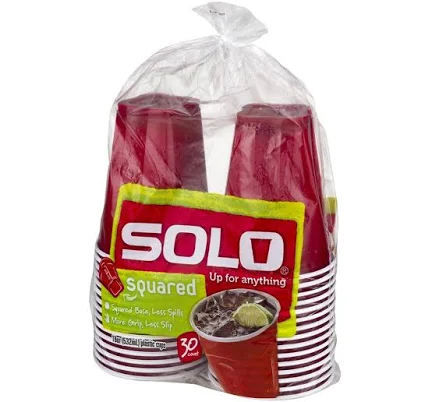
Solo Cup Company Grips Plastic Cups SQ1830
Low-medium risk. PFAS less likely, but Solo doesn't disclose coating details.
Rigid polystyrene with textured grip coating, a category that doesn't inherently require PFAS. Solo provides no disclosure of grip coating composition.
We flunk more products than we pass. This one earned its grade. How we grade
Material
polystyrene plastic (PS) with grip coating
Brand disclosure
Brand is silent on PFAS
Lab data
No public lab test
You may also be interested in
Top-graded picks in the categories readers replace first, every one scored on the same rubric.

- polypropylene filter housing, carbon/sediment cartridge
- We found no PFAS statement from the brand
- Bacterial growth in spent cartridges
3 hazards checked on this product, all on its full breakdown.

Aquasure
Premier Series 75 GPD Under Sink Reverse Osmosis Water Filtration System
- RO membrane, carbon filters, stainless steel housing
- We found no PFAS statement from the brand
- Bacterial and microbial growth in housing and filters
4 hazards checked on this product, all on its full breakdown.

Avocado
Vegan Mattress
- organic cotton, natural latex, coconut coir, recycled steel coils
- The brand calls it PFAS-free, which we have not verified
- Heavy metals
2 hazards checked on this product, all on its full breakdown.
What Solo Cup Company Grips Plastic Cups SQ1830 is made of, ingredients and materials
Solo Grips cups are molded polystyrene (PS, #6 plastic) with an applied grip coating, likely a polymer or elastomer layer to improve handling. Polystyrene itself is a stable plastic at room temperature but degrades when exposed to heat, solvents, oils, and mechanical stress. The grip coating composition is not publicly disclosed by Solo, which means its stability, leachability, and potential additive profile cannot be independently verified. This product is designed for cold beverages primarily, not hot drinks.
What’s concerning
Category baseline
The starting point for this type of product, before anything specific to this product is counted.
No PFAS disclosure
No public statement from the brand about PFAS in this product.
Polystyrene monomer and oligomer leaching
Polystyrene can leach small amounts of styrene monomers and oligomers into beverages, especially when liquid sits for extended periods or contact time is prolonged. Risk is low at room temperature with cold drinks but increases if cups are heated, exposed to oily or alcoholic beverages, or stored in warm environments.
Undisclosed grip-coating additives
Solo does not publicly disclose the chemical identity of the grip coating. Typical elastomer coatings may contain plasticizers, colorants, or other processing aids not regulated under current FDA guidance for food-contact articles, creating uncertainty about leaching potential.
Microplastics
The grip coating can chip, flake, or degrade over the product lifetime, especially with physical stress or repeated washing if cups are reused. Flaking particles may shed into beverage or be ingested, though the extent of this risk with normal single-use is unknown.
Source, EPA ↗Off-gassing and volatile organic compounds
Polystyrene and applied coatings may off-gas volatile organic compounds, especially in warm storage or when first unpacked. Odor or smell is often the only consumer indicator; long-term health risk from food-contact off-gassing is not well characterized at typical exposure levels.
What’s reassuring
Base material not linked to PFAS
The main material recorded for this product is not one associated with PFAS.
BPA & bisphenols
Polystyrene itself does not contain BPA as a structural component, and BPA is not typically used in styrene-based plastics. No recalls or reports link Solo Grips cups to BPA contamination.
Source, FDA ↗How is this PFAS grade calculated?
The brand's record and disclosure
Solo has not publicly disclosed the chemical composition of the grip coating on this product line, nor has the company published transparency reports on food-contact additives or manufacturing processes. Solo is owned by Dart Container Corporation, a major single-use plastics manufacturer with no widely recognized third-party certifications (such as FDA food-contact validation) specific to this product. The company has faced no major recalls for this cup model on public record, but lack of disclosure is a common practice in the disposable cup industry rather than a sign of exceptional safety.
How it compares in its category
Solo Grips cups are among the most widely distributed disposable cold-beverage cups in North America and compete with similar polystyrene offerings from Dart, Chinet, and private labels. They perform comparably to uncoated polystyrene cups in terms of leaching risk during normal cold use, but the undisclosed grip coating introduces a variable not present in plain cups. Coated paper cups or glass alternatives eliminate the polystyrene concern entirely but cost more and are less widely available. Polystyrene cups generally rank lower in consumer safety perception than polypropylene or polycarbonate alternatives, though all plastics carry some additive and degradation risk.
If you buy it
Use these cups only for cold or lukewarm beverages; hot drinks increase leaching of polystyrene monomers and potentially unknown grip-coating additives. Do not microwave, freeze for extended periods, or allow them to sit in direct sunlight for hours, as these stresses degrade polystyrene and coatings. Replace cups if you notice visible cracks, whitening, brittleness, or coating separation. For frequent beverage use, reusable stainless steel or glass containers eliminate this material class concern entirely and reduce waste.
What is not known about PFAS in this product?
- Basis
- Model estimate, 72% confidence, not a lab result
- Lab test
- None on record for this exact product
- Brand statement
- Solo has made none
Formulations change between production runs, so check the current label. How we grade.
More coffee cups grades
How we score, every product runs through the same public 0-100 rubric based on materials, coatings, brand disclosure, lab findings, and recalls. See the full methodology → Spotted a mistake? Report an error.