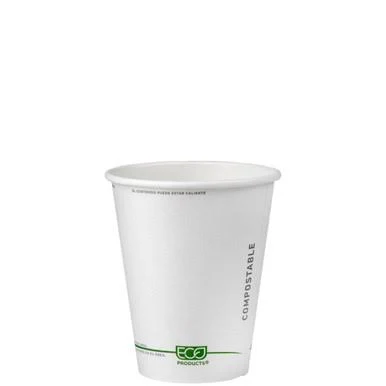
Eco-Products GreenStripe Renewable Compostable Hot Cups
Medium-high risk. Skip until coating composition is disclosed publicly.
Sugarcane-based cups with proprietary water and grease-resistant coating kept secret. Compostable food-contact materials historically needed fluorinated compounds for barrier performance; brand makes no PFAS-free claim.
The better-graded swap
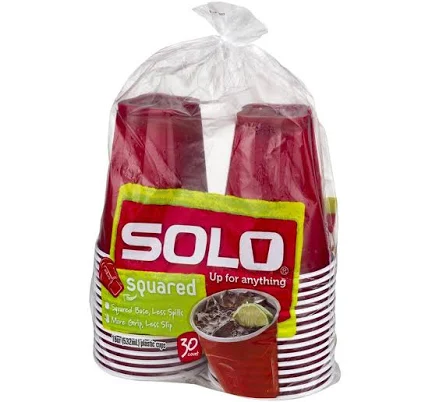
Solo
Solo Cup Company Grips Plastic Cups SQ1830
70/100 safety
Same rubric that flunked this product. The swap earned Good.
Still want this one anyway? Check the price on Amazon. We’d swap it.
Material
Plant-based fiber (sugarcane bagasse) with proprietary water/grease-resistant coating
Brand disclosure
Brand is silent on PFAS
Lab data
No public lab test
You may also be interested in
Top-graded picks in the categories readers replace first, every one scored on the same rubric.

- polypropylene filter housing, carbon/sediment cartridge
- We found no PFAS statement from the brand
- Bacterial growth in spent cartridges
3 hazards checked on this product, all on its full breakdown.

Aquasure
Premier Series 75 GPD Under Sink Reverse Osmosis Water Filtration System
- RO membrane, carbon filters, stainless steel housing
- We found no PFAS statement from the brand
- Bacterial and microbial growth in housing and filters
4 hazards checked on this product, all on its full breakdown.

Avocado
Vegan Mattress
- organic cotton, natural latex, coconut coir, recycled steel coils
- The brand calls it PFAS-free, which we have not verified
- Heavy metals
2 hazards checked on this product, all on its full breakdown.
What Eco-Products GreenStripe Hot Cups is made of, ingredients and materials
GreenStripe cups are constructed from sugarcane bagasse (the fibrous residue left after juice extraction), a renewable agricultural byproduct that replaces virgin wood pulp. The critical unknown is the proprietary water and grease-resistant coating applied to the interior. Compostable food-service cups typically require either synthetic polymers (often PFAS-based) or wax/resin barriers to prevent liquid penetration; Eco-Products has not publicly disclosed which chemistry they use, making the safety profile of the coating itself impossible to verify independently.
What’s concerning
Category baseline
The starting point for this type of product, before anything specific to this product is counted.
Vague safety claims only
Uses vague language ("eco-friendly", "clean") without a specific PFAS statement.
Waterproof / stain-resistant treatment
Water-repellent coating treatments have historically used PFAS.
PFAS
This is graded separately per your instructions, but noted here, water/grease-resistant coatings on compostable foodservice cups almost universally contain fluorinated compounds or experimental alternatives. Eco-Products has not publicly identified which chemistry they use, making exposure assessment impossible.
Source, ATSDR ↗Coating degradation and leaching under heat and acid
Sugarcane bagasse fiber is more porous and structurally fragile than virgin wood pulp; the applied coating may degrade faster under repeated exposure to hot, acidic, or fatty liquids, potentially increasing migration of barrier polymers into beverages over the cup's use life.
Microplastic or polymer shedding from coating wear
As the proprietary coating ages through normal use (hot liquid, mechanical friction during washing or handling), microscopic particles may shed into beverages. The risk is lower than virgin plastic cups but present given the coating's synthetic nature and the porous substrate.
What’s reassuring
Bleaching residues in fiber substrate
Sugarcane bagasse compostable cups typically undergo oxygen or chlorine-based bleaching during fiber processing. No specific residue contamination has been reported for Eco-Products GreenStripe, but regulatory oversight of processing chemicals in compostable food-contact materials remains weaker than for traditional plastics.
Cross-contamination during composting with non-compostable liners or adhesives
While the cup itself meets BPI standards for compostability, some production batches may include adhesives or sleeve materials (if printed) that are not compostable; improper end-of-life disposal in standard recycling streams poses no acute consumer risk but undermines claimed environmental benefit.
How is this PFAS grade calculated?
The brand's record and disclosure
Eco-Products markets sustainability credentials and BPI compostability certification, but maintains silence on coating composition despite PFAS concerns becoming industry standard discussion points by 2021-2023. The company has not published third-party testing reports for PFAS "forever chemicals" (PFAS) in their barrier coatings, nor clarified whether they use fluorine-free alternatives. No major recalls or contamination incidents are on record for this specific product line, but the absence of transparency on a chemical class known to persist in the environment and bioaccumulate is a notable gap in their disclosure practice.
How it compares in its category
Most compostable hot cups on the market (Vegware, World Centric, some Footprint lines) face identical coating-chemistry opacity; GreenStripe presents similar levels of concern regarding coating composition as mainstream competitors. The advantage of sugarcane bagasse over bleached kraft paper is modest environmental benefit and slightly lower microplastic shedding risk. However, brands that have voluntarily disclosed PFAS-free or low-PFAS coatings (e.g., some Footprint Ecoboard products) offer clearer safety profiles for cautious buyers.
If you buy it
Do not microwave or expose to direct flame; sugarcane fiber degrades more readily than wood pulp under extreme heat, and coating integrity under stress is unknown without material specs. Use for liquids below 85 degrees Celsius (185 Fahrenheit) when possible to reduce leaching risk from the barrier layer. Contact Eco-Products directly requesting the International Chemical Abstracts Service (CAS) registry numbers or Safety Data Sheets (SDS) for the coating; if they decline or provide vague language, consider switching brands. Replace cups immediately if interior coating shows cracking, peeling, or visible wear, as degradation may increase migration of coating components into beverages.
What is not known about PFAS in this product?
- Basis
- Model estimate, 45% confidence, not a lab result
- Lab test
- None on record for this exact product
- Brand statement
- Eco-Products has made none
Formulations change between production runs, so check the current label. How we grade.
What are the PFAS-free alternatives to Eco-Products GreenStripe Renewable Compostable Hot Cups?
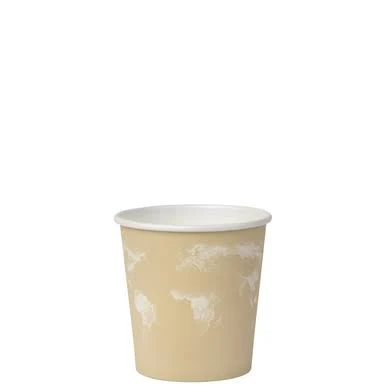
- Plant-based compostable PLA coating
- A third party reports verifying it as PFAS-free
- Leachables from undisclosed grease-resistant coating
3 hazards checked on this product, all on its full breakdown.
- polystyrene plastic (PS) with grip coating
- We found no PFAS statement from the brand
- Polystyrene monomer and oligomer leaching
4 hazards checked on this product, all on its full breakdown.
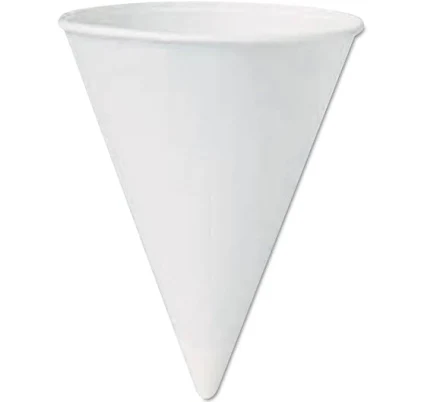
- Expanded polystyrene foam
- We found no PFAS statement from the brand
- Styrene monomer leaching
3 hazards checked on this product, all on its full breakdown.
Find an alternative on AmazonMore coffee cups grades
How we score, every product runs through the same public 0-100 rubric based on materials, coatings, brand disclosure, lab findings, and recalls. See the full methodology → Spotted a mistake? Report an error.