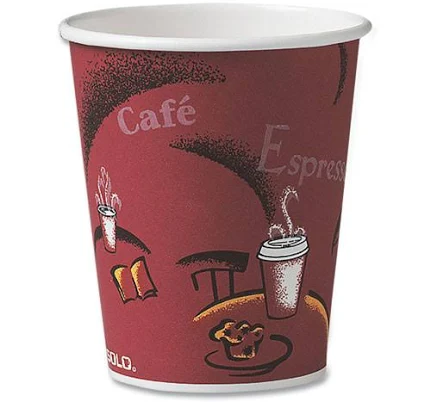
Solo Bistro Design Hot Drink Cups Paper
Medium-high risk. Skip until Solo discloses coating chemistry.
Standard food-contact paper cup with waterproof and grease-resistant coating kept secret. Paper cup linings commonly use PFAS-based fluorochemicals for water and oil repellency.
The better-graded swap
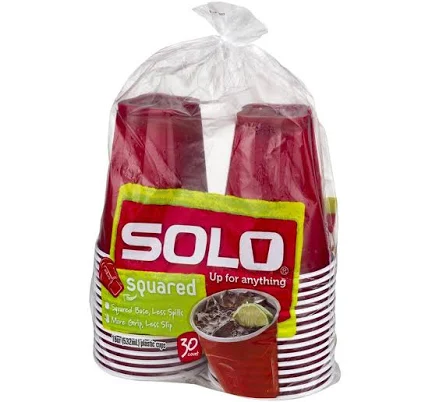
Solo
Solo Cup Company Grips Plastic Cups SQ1830
70/100 safety
Same rubric that flunked this product. The swap earned Good.
Still want this one anyway? Check the price on Amazon. We’d swap it.
Material
paperboard with unspecified water/grease-resistant coating
Brand disclosure
Brand is silent on PFAS
Lab data
No public lab test
You may also be interested in
Top-graded picks in the categories readers replace first, every one scored on the same rubric.

- polypropylene filter housing, carbon/sediment cartridge
- We found no PFAS statement from the brand
- Bacterial growth in spent cartridges
3 hazards checked on this product, all on its full breakdown.

Aquasure
Premier Series 75 GPD Under Sink Reverse Osmosis Water Filtration System
- RO membrane, carbon filters, stainless steel housing
- We found no PFAS statement from the brand
- Bacterial and microbial growth in housing and filters
4 hazards checked on this product, all on its full breakdown.

Avocado
Vegan Mattress
- organic cotton, natural latex, coconut coir, recycled steel coils
- The brand calls it PFAS-free, which we have not verified
- Heavy metals
2 hazards checked on this product, all on its full breakdown.
What Solo Bistro Design Hot Drink Cups Paper is made of, ingredients and materials
Solo Bistro cups are paperboard (virgin or recycled fiber) with a thin polymer water and grease barrier coating on the interior surface. The coating is necessary to prevent liquid seepage and maintain structural integrity, but Solo does not publicly specify whether it contains PFAS, non-fluorinated polyester, or other chemistry. This opacity is the main safety concern, since some paperboard food-service coatings historically relied on fluorinated compounds (PFAS) for their water-repellent properties, though alternatives now exist.
What’s concerning
Category baseline
The starting point for this type of product, before anything specific to this product is counted.
No PFAS disclosure
No public statement from the brand about PFAS in this product.
Waterproof / stain-resistant treatment
Water-repellent coating treatments have historically used PFAS.
PFAS
Solo has not disclosed whether the water-resistant interior coating contains PFAS or fluorine-free alternatives. The coating is necessary for function, but lack of transparency on chemistry is well-documented in industry criticism and EPA guidance on food-service packaging.
Source, ATSDR ↗Polymer coating migration or degradation
If the interior polymer coating is damaged or exposed to prolonged heat above recommended use, small amounts of coating material or plasticizers could theoretically migrate into beverages. This is not unique to Solo but a general risk with all poly-coated paper cups if misused.
Recycled fiber contaminants (if applicable)
If Solo Bistro uses recycled paperboard, incoming fiber may contain trace contaminants from prior use (inks, dyes, adhesives). Industry standards and food-contact regulations apply, but disclosure of recycled vs. virgin content is not always transparent.
Ink or dyes in external print
Solo Bistro cups carry colored branding on the exterior. Food-contact regulations restrict inks, but heavy metals (cadmium, lead) in colored pigments are a known risk in food-service printing if standards are lax. No recall or test data specific to Solo Bistro is on record.
What’s reassuring
Bleach residues in paperboard
Paperboard is typically bleached during pulping. Modern food-service standards limit residual chlorine compounds, and no specific concerns are on record for Solo Bistro cups, but trace bleach byproducts are inherent to conventional paperboard manufacture.
How is this PFAS grade calculated?
The brand's record and disclosure
Solo (owned by Dart Container) has not publicly disclosed coating chemistry for this product line or committed to PFAS-free specifications, despite growing industry pressure. The company has faced scrutiny over PFAS in food packaging but has not released detailed ingredient statements or third-party certifications for these cups. No recalls or regulatory actions specific to Solo Bistro hot cups are on record, but silence on a known hazard class is a red flag for consumer choice.
How it compares in its category
Most disposable hot drink cups (Solo, Dixie, generic store brands) use similar poly-coated paperboard and face identical disclosure gaps regarding PFAS. Some smaller manufacturers and compostable cup brands have published PFAS-free claims with third-party testing, though at higher cost. Ceramic or stainless steel reusable alternatives are not materials linked to PFAS-based water and grease-resistant coatings, which may be a consideration if convenience allows.
If you buy it
Use Solo Bistro cups as directed, hot beverages only, not for prolonged storage or reheating. Do not microwave, as heat can accelerate any coating degradation and potential leaching. Replace cups if the interior coating shows visible peeling, discoloration, or deterioration. If PFAS exposure is a priority concern (pregnant, nursing, young children in household), switch to certified PFAS-free alternatives or reusable cups until Solo clarifies its coating formula.
What is not known about PFAS in this product?
- Basis
- Model estimate, 45% confidence, not a lab result
- Lab test
- None on record for this exact product
- Brand statement
- Solo has made none
Formulations change between production runs, so check the current label. How we grade.
What are the PFAS-free alternatives to Solo Bistro Design Hot Drink Cups Paper?
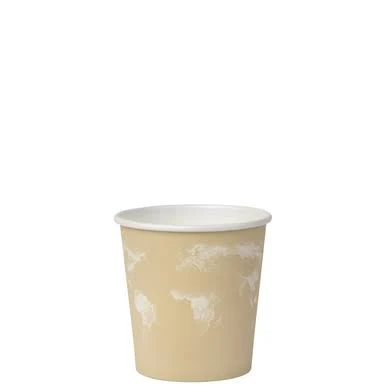
- Plant-based compostable PLA coating
- A third party reports verifying it as PFAS-free
- Leachables from undisclosed grease-resistant coating
3 hazards checked on this product, all on its full breakdown.
- polystyrene plastic (PS) with grip coating
- We found no PFAS statement from the brand
- Polystyrene monomer and oligomer leaching
4 hazards checked on this product, all on its full breakdown.
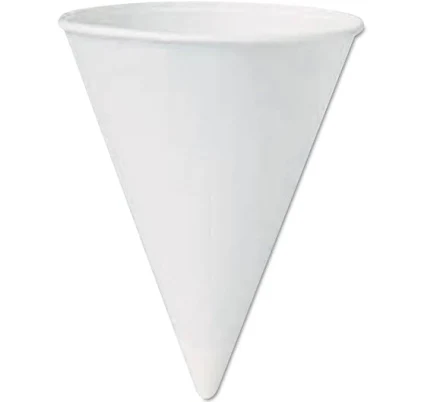
- Expanded polystyrene foam
- We found no PFAS statement from the brand
- Styrene monomer leaching
3 hazards checked on this product, all on its full breakdown.
Find an alternative on AmazonMore coffee cups grades
How we score, every product runs through the same public 0-100 rubric based on materials, coatings, brand disclosure, lab findings, and recalls. See the full methodology → Spotted a mistake? Report an error.