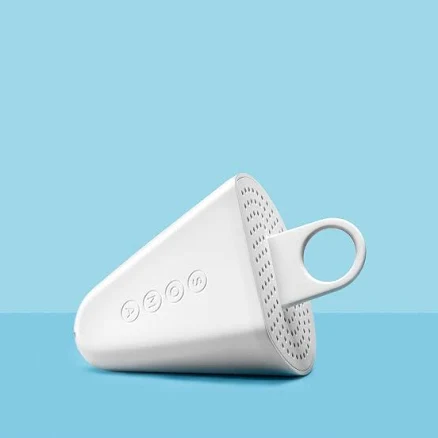
Soma Replacement Filter
Replacement filter with activated coconut-shell carbon media and no brand PFAS statement on record.
Material as recorded is activated coconut-shell carbon. The brand has no PFAS statement on record. No coating or water-repellent finish on record.
We flunk more products than we pass. This one earned its grade. How we grade
Material
Activated coconut-shell carbon (primary filtration media)
Brand disclosure
Brand is silent on PFAS
Lab data
No public lab test
You may also be interested in
Top-graded picks in the categories readers replace first, every one scored on the same rubric.

Aqua Pure
3M Aqua-Pure AP802B Whole House Filter Housing
- polypropylene filter housing, carbon/sediment cartridge
- We found no PFAS statement from the brand
- Bacterial growth in spent cartridges
3 hazards checked on this product. See all of them.

Aquasure
Premier Series 75 GPD Under Sink Reverse Osmosis Water Filtration System
- RO membrane, carbon filters, stainless steel housing
- We found no PFAS statement from the brand
- Bacterial and microbial growth in housing and filters
4 hazards checked on this product. See all of them.

Avocado
Vegan Mattress
- organic cotton, natural latex, coconut coir, recycled steel coils
- The brand calls it PFAS-free, which we have not verified
- Heavy metals
2 hazards checked on this product. See all of them.
What Soma Replacement Filter is made of, ingredients and materials
Soma replacement filters use activated coconut-shell carbon as the primary filtration medium. This material is thermally processed plant-derived carbon with a porous structure designed to trap dissolved contaminants (chlorine, some pesticides, odor compounds) via adsorption. Coconut-shell carbon does not leach heavy metals, BPA, or synthetic resins into water under normal cold-water faucet conditions, making it chemically inert in this application.
What’s concerning
No PFAS disclosure
No public statement from the brand about PFAS in this product.
Bacterial colonization in filter housing
If the filter is not replaced on schedule or left unused for extended periods, standing water inside the porous carbon bed can harbor bacterial growth. This is a maintenance issue, not a material defect, and is controlled by timely replacement.
Fine carbon particle shedding
Activated carbon can shed microscopic particles, especially during initial use or if water pressure spikes. Rinsing the filter before first use and monitoring for black specks in dispensed water mitigates this risk; shedding is not toxic but is cosmetically undesirable.
Inadequate reduction of unregulated contaminants
Coconut-shell carbon is effective for chlorine and some volatile organic compounds but does not reliably reduce hard minerals, fluoride, nitrates, or PFAS at levels comparable to reverse-osmosis systems. Buyer expectations should align with the filter's mid-tier capability.
Ineffective filtration after saturation
Once the carbon media is saturated, contaminants pass through unfiltered. Standard replacement intervals (2-3 months) are estimates and vary by water quality; over-extension can result in reduced safety benefit.
What’s reassuring
Base material not linked to PFAS
The main material recorded for this product is not one associated with PFAS.
Housing material leaching
Soma filter housings are typically polystyrene or ABS plastic designed for cold water only. No established leaching of BPA, phthalates, or other endocrine disruptors has been reported for this product under normal use conditions.
The full breakdown
The brand's record and disclosure
Soma is a water-filtration brand owned by Nestlé Waters and has no documented product recalls or safety violations in the filtration space. However, the brand has not published third-party testing reports or specific claims about PFAS reduction capability, nor does it provide transparency statements about manufacturing practices or media sourcing. This silence is not unusual in the category but falls short of best-in-class disclosure seen from competitors like Brita and PUR.
How it compares in its category
Faucet-mount filters like Soma occupy a middle tier of convenience and cost between pitcher filters (lower) and under-sink carbon systems (higher complexity). Soma's coconut-shell carbon is comparable in safety profile to other major brands; the category itself carries minimal leaching risk because these filters sit above the tap and contact water at ambient temperature. No faucet-mount filter brand certifies PFAS removal, though some carbon media can passively adsorb PFOA/PFOS to minor degrees.
If you buy it
Replace the filter every 2-3 months or per package guidance to prevent bacterial biofilm buildup inside the cartridge housing and loss of filtration efficiency. Do not use this filter with hot water, as it will degrade faster and may allow fine carbon particles to escape. Store replacement filters in a cool, dry place; do not store the used filter in the refrigerator. Rinse the filter head with cold tap water monthly to clear debris accumulation.
What we don’t know
- Basis
- Model estimate, 72% confidence, not a lab result
- Lab test
- None on record for this exact product
- Brand statement
- Soma has made none
Formulations change between production runs, so check the current label. How we grade.
Better-graded alternatives in Water Filters

Aquamira
Water Storage Treatment 2 oz Glass Bottles 60 gallons Purification
- glass bottles, sodium dichloroisocyanurate treatment chemical
- We found no PFAS statement from the brand
- Chemical overdose or misuse
5 hazards checked on this product. See all of them.

Big Berkey
Empty Housing with NO Filters Included
- Stainless steel housing and spigot
- We found no PFAS statement from the brand
- Bacterial growth and biofilm if filters not replaced
5 hazards checked on this product. See all of them.

LifeStraw
Home Glass Water Filter Pitcher
- Borosilicate glass pitcher, replaceable activated-carbon filter cartridge
- Bacterial growth in filter cartridge if unmaintained
5 hazards checked on this product. See all of them.
More water filters grades
How we score, every product runs through the same public 0-100 rubric based on materials, coatings, brand disclosure, lab findings, and recalls. See the full methodology → Spotted a mistake? Report an error.