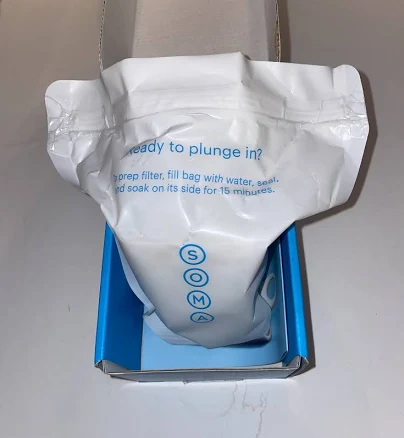
Soma Replacement Water Filter 201-10-02-1
Low-concern filter type, but the brand makes no PFAS disclosure.
Model 201-10-02-1 uses activated carbon, a material with lower PFAS risk than Teflon-family coating-coated options. Soma makes no PFAS-free claim and holds no third-party certifications for PFAS.
We flunk more products than we pass. This one earned its grade. How we grade
Material
Activated carbon filter media
Brand disclosure
Brand is silent on PFAS
Lab data
No public lab test
You may also be interested in
Top-graded picks in the categories readers replace first, every one scored on the same rubric.

Aqua Pure
3M Aqua-Pure AP802B Whole House Filter Housing
- polypropylene filter housing, carbon/sediment cartridge
- We found no PFAS statement from the brand
- Bacterial growth in spent cartridges
3 hazards checked on this product. See all of them.

Aquasure
Premier Series 75 GPD Under Sink Reverse Osmosis Water Filtration System
- RO membrane, carbon filters, stainless steel housing
- We found no PFAS statement from the brand
- Bacterial and microbial growth in housing and filters
4 hazards checked on this product. See all of them.

Avocado
Vegan Mattress
- organic cotton, natural latex, coconut coir, recycled steel coils
- The brand calls it PFAS-free, which we have not verified
- Heavy metals
2 hazards checked on this product. See all of them.
What Soma Replacement Water Filter 201-10-02-1 is made of, ingredients and materials
The Soma 201-10-02-1 uses activated carbon as its primary filter media, a well-established material for chlorine, taste, and odor reduction in drinking water. Activated carbon does not leach hazardous compounds into water under normal use; the carbon itself is inert once activated. The cartridge housing materials are not publicly detailed by Soma, so leaching from the casing cannot be assessed without specification sheets. Replacement frequency matters because exhausted carbon loses effectiveness and can become a breeding ground for bacteria if left in service too long.
What’s concerning
No PFAS disclosure
No public statement from the brand about PFAS in this product.
Bacterial regrowth in filter media
Activated carbon can harbor bacteria if cartridge is not replaced regularly or if water sits in the filter between uses. Risk increases in warm environments or with infrequent use.
Heavy metals
Activated carbon alone has variable and limited effectiveness on lead, arsenic, and PFAS depending on carbon type and contact time. Soma makes no specific claims about these contaminants, and the cartridge is not NSF-certified for heavy metal or PFAS reduction.
Source, FDA ↗Filter saturation without user awareness
Activated carbon becomes exhausted invisibly; water may look and taste normal while contaminant removal drops sharply. Soma does not provide electronic saturation indicators, relying on manual replacement schedules.
What’s reassuring
Base material not linked to PFAS
The main material recorded for this product is not one associated with PFAS.
Filter housing leachables (unspecified materials)
Soma does not publicly disclose the composition of the cartridge casing or housing materials. No test data or complaints are on record, but lack of specification prevents assessment.
The full breakdown
The brand's record and disclosure
Soma publishes no published independent testing results, NSF/WQA certification data, or specific removal claims for contaminants like PFAS, nitrates, or microbial cysts on this model. The brand markets lifestyle aesthetics (reusable pitcher design, reduced plastic) but does not provide third-party validation of filtration performance. No recalls or safety incidents specific to this cartridge model are documented in public records. Without published performance data or certifications, claims about what this filter removes rely entirely on manufacturer statements.
How it compares in its category
Faucet-mounted carbon filters are a minimal-cost entry point; they typically remove chlorine and improve taste but have limited effectiveness on heavy metals, fluoride, or emerging contaminants like PFAS compared to pitcher filters or under-sink systems. The Soma cartridge is priced in the mid-range for replacement filters. Competitor products (Brita, PUR, Aquagear) often carry NSF certifications specifying what contaminants they reduce by what percentage; Soma does not prominently advertise equivalent third-party credentials for this model. Activated carbon is a reliable technology, but performance variation among brands is significant.
If you buy it
Replace cartridges every 2-3 months or per Soma's guidance to prevent bacterial regrowth and maintain carbon saturation. Do not use hot water above 60°C (140°F) with this filter, as heat can damage the cartridge housing and reduce carbon effectiveness. Store replacement cartridges in a cool, dry place; activated carbon can absorb ambient odors and moisture. If your water contains sediment or cloudiness, pre-filter or let tap water settle before use, as clogging will occur faster and reduce lifespan.
What we don’t know
- Basis
- Model estimate, 72% confidence, not a lab result
- Lab test
- None on record for this exact product
- Brand statement
- Soma has made none
Formulations change between production runs, so check the current label. How we grade.
Better-graded alternatives in Water Filters

Aquamira
Water Storage Treatment 2 oz Glass Bottles 60 gallons Purification
- glass bottles, sodium dichloroisocyanurate treatment chemical
- We found no PFAS statement from the brand
- Chemical overdose or misuse
5 hazards checked on this product. See all of them.

Big Berkey
Empty Housing with NO Filters Included
- Stainless steel housing and spigot
- We found no PFAS statement from the brand
- Bacterial growth and biofilm if filters not replaced
5 hazards checked on this product. See all of them.

LifeStraw
Home Glass Water Filter Pitcher
- Borosilicate glass pitcher, replaceable activated-carbon filter cartridge
- Bacterial growth in filter cartridge if unmaintained
5 hazards checked on this product. See all of them.
More water filters grades
How we score, every product runs through the same public 0-100 rubric based on materials, coatings, brand disclosure, lab findings, and recalls. See the full methodology → Spotted a mistake? Report an error.