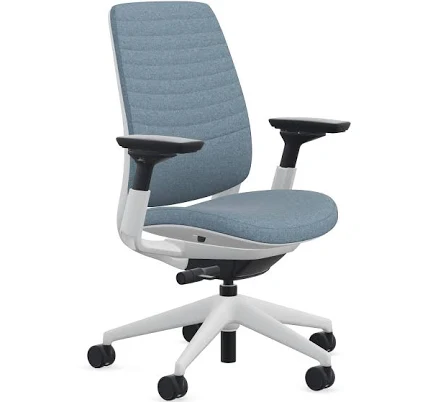
Steelcase Series 2 Upholstered Chair
Lower concern for PFAS, but Steelcase discloses nothing, ask for transparency if concerned.
The Series 2 is upholstered textile and foam on a steel frame. Steelcase makes no PFAS disclosures, lab tests, or certifications for upholstery treatments or finishes.
We flunk more products than we pass. This one earned its grade. How we grade
Material
upholstered fabric, foam cushioning, steel frame
Brand disclosure
Brand is silent on PFAS
Lab data
No public lab test
You may also be interested in
Top-graded picks in the categories readers replace first, every one scored on the same rubric.

- polypropylene filter housing, carbon/sediment cartridge
- We found no PFAS statement from the brand
- Bacterial growth in spent cartridges
3 hazards checked on this product, all on its full breakdown.

Aquasure
Premier Series 75 GPD Under Sink Reverse Osmosis Water Filtration System
- RO membrane, carbon filters, stainless steel housing
- We found no PFAS statement from the brand
- Bacterial and microbial growth in housing and filters
4 hazards checked on this product, all on its full breakdown.

Avocado
Vegan Mattress
- organic cotton, natural latex, coconut coir, recycled steel coils
- The brand calls it PFAS-free, which we have not verified
- Heavy metals
2 hazards checked on this product, all on its full breakdown.
What Steelcase Series 2 Upholstered Chair is made of, ingredients and materials
The Series 2 combines a steel frame, polyurethane foam cushioning, and upholstered fabric covering. Polyurethane foam is a common seating material but can off-gas volatile organic compounds (VOCs) when new, particularly in warm or poorly ventilated spaces. The fabric itself is typically treated with flame retardants to meet fire codes (TB117 or equivalent), a legal requirement for commercial furniture in most jurisdictions. Steel frames are inert and pose no leaching risk.
What’s concerning
Category baseline
The starting point for this type of product, before anything specific to this product is counted.
No PFAS disclosure
No public statement from the brand about PFAS in this product.
Flame retardants
Commercial office chairs are legally required to meet fire codes, triggering use of flame retardants (typically brominated, chlorinated, or organophosphate compounds) in both foam and fabric backing. Steelcase does not disclose which chemicals are used in the Series 2.
Source, EPA ↗VOC off-gassing from polyurethane foam
New polyurethane foam releases volatile organic compounds for days to weeks after manufacture. Exposure is typically low in well-ventilated offices but can accumulate in sealed indoor environments.
Formaldehyde / VOCs
Commercial upholstery fabrics may be treated with formaldehyde-releasing resins for wrinkle resistance or dye fixation. Steelcase does not disclose fabric treatment details for the Series 2.
Source, ATSDR ↗Deterioration and particle release over time
Extended use causes foam fragmentation and fabric shedding, releasing particles that may carry flame retardants or other additives. Regular maintenance and timely replacement of worn cushions mitigate this.
What’s reassuring
Base material not linked to PFAS
The main material recorded for this product is not one associated with PFAS.
Heavy metals
No recalls or public reports of lead, cadmium, or chromium contamination in Steelcase Series 2 upholstery. Standard commercial textiles are not typically a source of heavy metal exposure.
Source, FDA ↗How is this PFAS grade calculated?
The brand's record and disclosure
Steelcase is a major commercial furniture manufacturer with a sustainability-focused brand image but does not publicly disclose detailed chemical composition, flame retardant type, or third-party testing for individual product lines. The company has not faced major product recalls related to toxic substance contamination in recent years. However, the lack of transparency on fabric treatment chemicals and foam additives is typical of the office furniture industry and leaves consumers unable to verify specific hazard profiles.
How it compares in its category
The Series 2 sits in the mid-market commercial chair segment alongside Herman Miller, Knoll, and other mainstream manufacturers. Most competitors use similar polyurethane foam and flame-retardant-treated upholstery, making chemical profiles broadly comparable. Chairs certified by Cradle to Cradle or similar schemes offer more detailed transparency but often at higher cost. The Series 2 does not carry such certifications.
If you buy it
Allow new chairs to off-gas in a well-ventilated space for 24-48 hours before regular use in enclosed offices. Avoid exposing the upholstery to sustained heat sources or direct sunlight, which can degrade the fabric and increase VOC release. Regular vacuuming reduces dust accumulation that may contain flame retardant particles. If the foam shows visible deterioration or the fabric develops rips, replacement cushions can be ordered from Steelcase to extend chair life without discarding the frame.
What is not known about PFAS in this product?
- Basis
- Model estimate, 62% confidence, not a lab result
- Lab test
- None on record for this exact product
- Brand statement
- Steelcase has made none
Formulations change between production runs, so check the current label. How we grade.
More office chairs grades
How we score, every product runs through the same public 0-100 rubric based on materials, coatings, brand disclosure, lab findings, and recalls. See the full methodology → Spotted a mistake? Report an error.