Tarptent · Camping Tents & Tarps
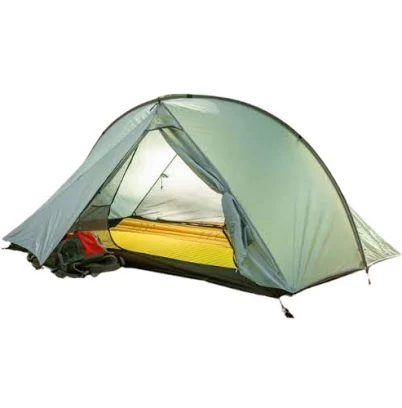
Double Rainbow by Tarptent
Moderate PFAS risk due to waterproof coating; Tarptent provides no disclosure.
Tarptent's Double Rainbow is nylon with waterproof treatment, but coating chemistry remains undisclosed. Outdoor waterproof fabrics historically use PFAS-based water-repellent coating treatments.
Still want this one anyway? Check the price on Amazon. We’d swap it.
Material
Ripstop nylon fabric with waterproof coating (unspecified)
Brand disclosure
Brand is silent on PFAS
Lab data
No public lab test
What Double Rainbow by Tarptent is made of, ingredients and materials
The Double Rainbow uses ripstop nylon fabric with an unspecified waterproof coating, typical for modern camping tents. Ripstop nylon itself is a durable polyamide that resists tearing and UV degradation, but the waterproof finish is the concern. Tarptent does not disclose whether this coating contains PFAS (fluorinated compounds), which are common in water-repellent coating finishes and persist in the environment and body.
What’s concerning
Category baseline
The starting point for this type of product, before anything specific to this product is counted.
No PFAS disclosure
No public statement from the brand about PFAS in this product.
Waterproof / stain-resistant treatment
Water-repellent coating treatments have historically used PFAS.
PFAS
Tarptent does not disclose coating chemistry. PFAS compounds are standard in water-repellent coating nylon finishes. Exposure is primarily dermal and inhalation during setup/use, with potential persistence in blood if contacted frequently.
Source, ATSDR ↗Coating degradation and microparticle shedding
Ripstop nylon coatings break down over years of UV exposure, temperature cycles, and mechanical stress. Microscopic particles shed into soil and equipment; long-term health effects of inhaling or contacting degraded coating polymers are not well-characterized.
Off-gassing of volatile organic compounds (VOCs)
New nylon tents with waterproof coatings commonly emit odors and low levels of VOCs (e.g., solvents from the coating process) for weeks after purchase. Risk is minor with adequate ventilation but can irritate airways in poorly ventilated spaces.
Mold and bacterial growth in storage
Storing the tent damp or in humid conditions promotes mold growth, which can cause respiratory irritation on re-exposure. This is a use/maintenance issue rather than a material hazard.
What’s reassuring
Aluminum frame oxidation and skin contact
If the tent uses aluminum poles or frames (typical for Double Rainbow), anodized aluminum is the standard. No documented health hazard from contact with intact anodized coatings in this product class.
The full breakdown
The brand's record and disclosure
Tarptent is a small, established ultralight tent manufacturer with a reputation for minimalist design and durability, but maintains silence on chemical composition and coatings. The company provides no third-party certifications, material safety data sheets for end-users, or statements about PFAS avoidance. This lack of transparency is typical of the budget outdoor gear sector but prevents consumers from making fully informed choices.
How it compares in its category
Most camping tents in this price and weight class use similar ripstop nylon with waterproof coatings of unknown composition. Higher-end brands (e.g., Big Agnes, MSR) increasingly disclose coating type or offer PFAS-free alternatives, though rarely with full transparency. Budget ultralight options like Tarptent rarely provide such detail, making the Double Rainbow typical rather than exceptional in this regard.
If you buy it
Air the tent thoroughly before first use and periodically during ownership to off-gas any volatile compounds from the coating. Avoid extended skin contact with the interior coating, especially when warm or humid. Clean with plain water rather than soaps that may degrade the waterproof layer. Store dry in a cool place; degradation of the coating over 5-10 years of regular use is normal and signals replacement timing.
What we don’t know
- Basis
- Model estimate, 35% confidence, not a lab result
- Lab test
- None on record for this exact product
- Brand statement
- Tarptent has made none
Formulations change between production runs, so check the current label. How we grade.
More camping tents & tarps grades
How we score, every product runs through the same public 0-100 rubric based on materials, coatings, brand disclosure, lab findings, and recalls. See the full methodology → Spotted a mistake? Report an error.