Tarptent · Camping Tents & Tarps
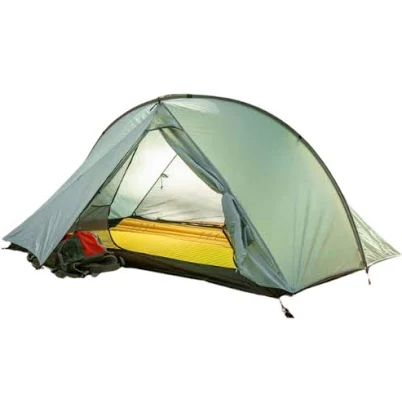
Double Rainbow by Tarptent - Garage Grown Gear
water-repellent coating chemistry not stated, raising concern for PFAS use.
This tent uses silicone-polyester blend with a water-repellent coating. The brand has no PFAS statement on record and does not disclose the coating chemistry, which is a concern given the historical use of PFAS in water-repellent coating treatments.
Still want this one anyway? Check the price on Amazon. We’d swap it.
Material
Silpoly (silicone-polyester blend) with water-repellent coating
Brand disclosure
Brand is silent on PFAS
Lab data
No public lab test
What Double Rainbow by Tarptent - Garage Grown is made of, ingredients and materials
Silpoly is a silicone-polyester blend that combines polyester fabric with a silicone coating rather than polyurethane, making it lighter and more durable in UV exposure than traditional PU-coated tents. Silicone coatings do not release volatile organic compounds (VOCs) at typical use temperatures, and silicone itself has a strong safety record in outdoor gear. The water-repellent coating (water-repellent coating) finish is where chemical uncertainty enters, Tarptent does not publicly disclose whether their water-repellent coating uses PFAS-based or fluorine-free chemistry, which is the primary safety gap for this product.
What’s concerning
Category baseline
The starting point for this type of product, before anything specific to this product is counted.
No PFAS disclosure
No public statement from the brand about PFAS in this product.
Waterproof / stain-resistant treatment
Water-repellent coating treatments have historically used PFAS.
PFAS
Tarptent has not disclosed whether their water-repellent coating uses legacy PFAS (PFOA, PFOS), newer alternatives (GenX, ADONA), or fluorine-free chemistry. This is the single largest uncertainty in the product's safety profile; buyers concerned about PFAS exposure must request clarification from the manufacturer before purchase.
Source, ATSDR ↗What’s reassuring
Silicone coating degradation and microparticle release
Silicone coatings are stable at typical tent use temperatures and do not off-gas VOCs. However, if the coating is abraded, scratched, or exposed to prolonged UV, fine particles may shed; no health data exists for inhaling or ingesting trace silicone particles from degraded tents, but the risk is considered negligible in normal use.
Polyester substrate (antimony catalyst residues)
Polyester fiber is typically produced using antimony trioxide as a catalyst; modern mills retain residues well below regulatory thresholds, and no cases of antimony leaching from tent fabric have been documented. However, Tarptent does not disclose polyester sourcing, so antimony levels cannot be independently verified.
Flame retardants
Tarptent does not apply topical flame retardant finishes to the Double Rainbow; silicone and polyester are inherently low-flammability materials. No flame retardant hazard is associated with this product.
Source, EPA ↗Seam sealer and adhesive safety
Tarptent does not disclose the chemistry of seam sealers or any adhesives used in construction. No health incidents or off-gassing complaints are on record, but material data sheets are unavailable for independent review.
The full breakdown
The brand's record and disclosure
Tarptent (Garage Grown Gear) is a small, US-based manufacturer known for minimalist ultralight tent design and has built a reputation for durability and customer support. However, the company does not publish material safety data sheets, certifications (such as OEKO-TEX or bluesign), or explicit statements about PFAS avoidance or use. No safety recalls or established contamination incidents are on record for Tarptent products. The silence on water-repellent coating chemistry is typical of smaller outdoor brands but represents a gap in transparency that conscientious buyers should flag directly with the manufacturer.
How it compares in its category
Silpoly tents occupy a middle ground in the camping market, they are more durable and UV-resistant than polyester-only fabrics, lighter than traditional aluminum-frame PU tents, and often comparable in price to mid-range alternatives. Major brands (Big Agnes, MSR, Zpacks) increasingly disclose water-repellent coating chemistry or use fluorine-free alternatives; Tarptent's lack of disclosure places it at a slight disadvantage for buyers prioritizing transparency. However, Silpoly itself shows lower concern than some older PU formulations that historically off-gassed at high temperatures.
If you buy it
Store in a dry, ventilated space away from direct sunlight to preserve the silicone coating and water-repellent coating finish; UV exposure will eventually degrade any coating over years of use. Do not intentionally heat the tent material (for example, with a stove inside) beyond normal condensation temperatures, as this could accelerate coating breakdown. Before purchase, email Tarptent directly asking whether their water-repellent coating finish contains PFAS, GenX, or other fluorinated chemicals; if the answer is unclear or evasive, consider fluorine-free alternatives. Inspect seams and coating annually for delamination or chalking; once the water-repellent coating ceases to bead water, the tent's water resistance will decline but the base fabric remains intact.
What we don’t know
- Basis
- Model estimate, 45% confidence, not a lab result
- Lab test
- None on record for this exact product
- Brand statement
- Tarptent has made none
Formulations change between production runs, so check the current label. How we grade.
More camping tents & tarps grades
How we score, every product runs through the same public 0-100 rubric based on materials, coatings, brand disclosure, lab findings, and recalls. See the full methodology → Spotted a mistake? Report an error.