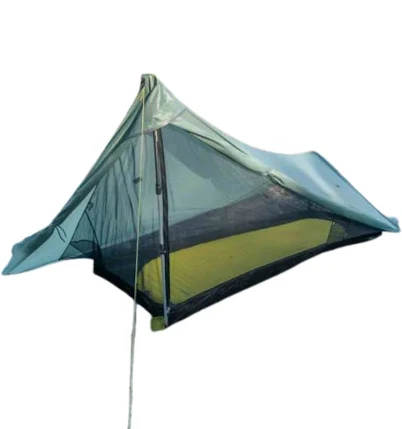
Tarptent · Camping Tents & Tarps
ProTrek by Tarptent
Skip until Tarptent discloses water-repellent coating chemistry.
This tarp uses durable ripstop nylon with water-repellent treatment historically linked to PFAS-based coatings. Tarptent refuses to disclose details.
Still want this one anyway? Check the price on Amazon. We’d swap it.
Material
Ripstop nylon with water-repellent coating treatment
Brand disclosure
Brand is silent on PFAS
Lab data
No public lab test
What ProTrek by Tarptent is made of, ingredients and materials
ProTrek uses ripstop nylon fabric with a water-repellent coating (water-repellent coating) coating applied to the outer layer. Ripstop nylon itself is chemically stable and unlikely to leach hazardous substances during normal use. The water-repellent coating treatment is the critical unknown, Tarptent has not publicly specified whether this coating uses perfluorinated compounds (PFAS), silicone-based, or wax-based chemistry. Without disclosure, the safety profile of the water-repellent layer cannot be fully assessed.
What’s concerning
Category baseline
The starting point for this type of product, before anything specific to this product is counted.
No PFAS disclosure
No public statement from the brand about PFAS in this product.
Waterproof / stain-resistant treatment
Water-repellent coating treatments have historically used PFAS.
water-repellent coating leachates (undisclosed chemistry)
Tarptent has not disclosed whether the ProTrek water-repellent coating uses PFAS or alternative chemistry. If fluorinated compounds are present, microplastics or volatile compounds could be released during use, storage, or washing, particularly if the coating degrades. Without material data, this cannot be ruled out.
Coating degradation and durability
Ripstop nylon water-repellent coating coatings degrade over 2-5 years with UV exposure and use. As the coating breaks down, the underlying nylon remains stable, but any embedded compounds in the water-repellent coating layer may become mobilized. Tarptent does not specify expected lifespan or end-of-life safety guidance.
What’s reassuring
Off-gassing from new fabric or water-repellent coating finish
New ripstop nylon and standard water-repellent coating treatments typically do not emit volatile organic compounds (VOCs) at concerning levels in outdoor use. No off-gassing complaints or test results have been publicly documented for ProTrek models.
UV dye or colorfast stability
Ripstop nylon is typically solution-dyed (color integrated into the fiber) rather than surface-dyed, making it stable and unlikely to shed azo dyes or heavy metal pigments. No dyeing hazards have been identified for this product category or brand.
Aluminum poles or hardware oxidation
If ProTrek uses aluminum poles (common in the category), anodized aluminum does not leach toxic levels of aluminum under normal outdoor conditions. No documented issues with pole corrosion or leaching for Tarptent products.
The full breakdown
The brand's record and disclosure
Tarptent markets itself as a performance-focused cottage manufacturer but has not published detailed material safety data sheets or water-repellent coating chemistry disclosures for the ProTrek line. No recalls related to chemical leaching or off-gassing have been documented for this model. The brand has remained silent on PFAS use despite industry-wide pressure from conservation groups and retailers to abandon legacy fluorinated chemistry. This silence is notable in a category where major competitors (Big Agnes, MSR, REI Co-op) have begun transitioning to water-repellent coating systems with lower PFAS concern.
How it compares in its category
Mid-range camping tarps vary widely in water-repellent coating transparency. REI Co-op tents now carry PFAS-free certifications; Big Agnes has committed to phasing out fluorinated water-repellent coating. Tarptent's silence puts it behind category leaders on disclosure, though the nylon substrate itself is no more hazardous than competitors. Price and performance sit in the mid-market, but buyers seeking chemical certainty should compare models from brands with published PFAS commitments.
If you buy it
Rinse the tent exterior gently with clean water before first use to remove any loose coating residues. Allow full air-drying in shade after each use; prolonged heat (direct sun, storage in hot vehicles) may accelerate any coating degradation over years. Reapply approved water-repellent coating treatments only when water no longer beads on the fabric (typically after 1-2 seasons of regular use). Store in a cool, dry place away from solvents or bleach, which can degrade ripstop nylon. Contact Tarptent for specific guidance on the water-repellent coating chemistry if chemical sensitivity is a concern.
What we don’t know
- Basis
- Model estimate, 45% confidence, not a lab result
- Lab test
- None on record for this exact product
- Brand statement
- Tarptent has made none
Formulations change between production runs, so check the current label. How we grade.
More camping tents & tarps grades
How we score, every product runs through the same public 0-100 rubric based on materials, coatings, brand disclosure, lab findings, and recalls. See the full methodology → Spotted a mistake? Report an error.