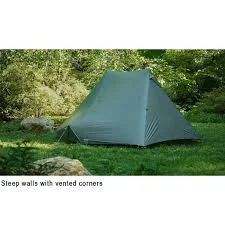
Tarptent · Camping Tents & Tarps
TARPTENT StratoSpire 1
Skip or contact brand for water-repellent coating specifics.
This tent uses silnylon, which is nylon with silicone coating for water resistance. Tarptent remains silent on whether the water-repellent treatment involves PFAS.
Still want this one anyway? Check the price on Amazon. We’d swap it.
Material
Silnylon (ripstop nylon with silicone coating)
Brand disclosure
Brand is silent on PFAS
Lab data
No public lab test
What TARPTENT StratoSpire 1 is made of, ingredients and materials
The StratoSpire 1 uses silnylon, a ripstop nylon fabric laminated with a silicone coating rather than a Teflon-family coating. Silicone itself is chemically inert and does not off-gas volatile organics the way polyurethane or Teflon-type coating coatings sometimes do. However, the ripstop nylon substrate is a synthetic polyamide, and the adhesive or process used to bond the silicone layer could introduce minor volatile compounds during manufacturing; these typically off-gas within days to weeks of opening. The key unknown is whether Tarptent uses additional water-repellent coating (water-repellent coating) treatments on top of the silicone, which may or may not contain PFAS.
What’s concerning
Category baseline
The starting point for this type of product, before anything specific to this product is counted.
No PFAS disclosure
No public statement from the brand about PFAS in this product.
Waterproof / stain-resistant treatment
Water-repellent coating treatments have historically used PFAS.
Volatile organic compounds (VOCs) from adhesives or solvents
Silnylon laminates may release trace VOCs during manufacturing and immediately after unpacking. Exposure is brief and typically low-level, but sensitive individuals may notice odor within the first few days.
Silicone coating degradation and microparticle shedding
Over years of use, UV exposure and flexing can cause the silicone layer to crack, flake, or shed microscopic particles. This is cosmetic and functional degradation rather than a direct health risk, but can compromise waterproofing.
PFAS
Tarptent does not publicly specify whether its silnylon includes fluorine-based or fluorine-free water repellency. This is a disclosure gap, not a confirmed presence of PFAS, but limits informed decision-making.
Source, ATSDR ↗What’s reassuring
Nylon polymer breakdown under extreme heat or UV
Ripstop nylon itself is chemically stable in normal camping use. Only sustained exposure to direct flame or intense prolonged UV (e.g., years in desert sun without shade) poses material brittleness; this is not a typical hazard in standard use.
Heavy metals
No contamination data is on record for Tarptent tents. Silnylon is typically used in natural or light gray finishes; commercial nylon fabrics in developed countries are subject to EU and US dye regulations that restrict heavy metals.
Source, FDA ↗The full breakdown
The brand's record and disclosure
Tarptent is a small, US-based manufacturer with a reputation for minimalist ultralight tents and transparent construction details. The company provides material specifications on its website but does not publicly disclose water-repellent coating chemistry or state whether its products are PFAS-free. No recalls, contamination incidents, or formal certifications (e.g., Bluesign, GOTS) are on public record for Tarptent tents. Direct contact with the brand is the most reliable way to confirm whether the StratoSpire 1's waterproofing includes PFAS-based treatments.
How it compares in its category
Silnylon tents occupy a middle ground, they are more durable and less prone to breakdown than polyester-polyurethane alternatives, but less lightweight than cuben or other modern film laminates. Many ultralight tent makers (e.g., Big Agnes, zpacks) either disclose PFAS in their water-repellent coating or offer PFAS-free alternatives. Tarptent's lack of public statement on PFAS is notable given growing consumer and retailer focus on the issue; competitors like Hyperlite Mountain Gear have moved toward PFAS-free water repellency.
If you buy it
Air out the tent for 48 hours in a well-ventilated space after unboxing to allow any manufacturing off-gassing to clear. Do not apply additional water-repellent sprays unless you confirm they are PFAS-free; many commercial water-repellent coating refresher products contain legacy PFAS. Inspect seams and coating annually for damage; small areas can be sealed with seam sealer, but major delamination signals end of life. Store dry in a breathable bag (not plastic), as trapped moisture can accelerate fabric degradation over years.
What we don’t know
- Basis
- Model estimate, 45% confidence, not a lab result
- Lab test
- None on record for this exact product
- Brand statement
- Tarptent has made none
Formulations change between production runs, so check the current label. How we grade.
More camping tents & tarps grades
How we score, every product runs through the same public 0-100 rubric based on materials, coatings, brand disclosure, lab findings, and recalls. See the full methodology → Spotted a mistake? Report an error.