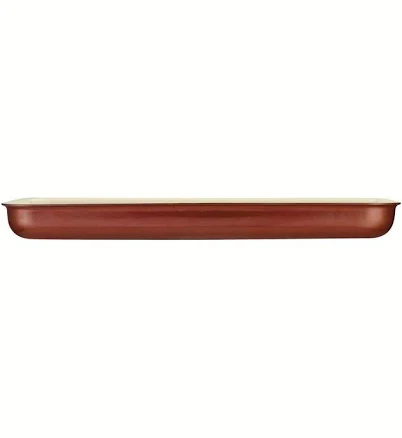
Tramontina Style Ceramica Aluminum Baking Sheet
Ceramic-coated aluminum sheet with non-stick coating of undisclosed chemistry.
The baking sheet has a ceramic coating over aluminum. The brand has not stated the chemistry of the non-stick coating or disclosed any PFAS information for this product. Coating chemistry is not stated in publicly available records.
The better-graded swap
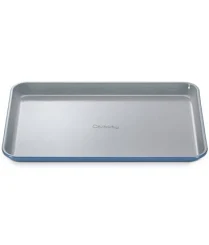
Caraway
Caraway Nonstick Ceramic Medium Baking Sheet
100/100 safety
Same rubric that flunked this product. The swap earned Excellent.
Still want this one anyway? Check the price on Amazon. We’d swap it.
Material
Ceramic-coated aluminum
Lab data
No public lab test
Is Tramontina Style Ceramica Aluminum Baking non-toxic? What it is made of
This baking sheet uses aluminum as the base substrate with an applied ceramic non-stick coating. The ceramic layer is marketed as a non-Teflon-type coating alternative, but Tramontina has not publicly disclosed the specific chemistry of this coating or whether it contains other fluorinated compounds. Aluminum itself can leach into acidic or salty foods if the protective coating is damaged, scratched, or worn.
What’s concerning
Non-stick, chemistry undisclosed
Marketed as non-stick without stating the coating chemistry.
Category baseline
The starting point for this type of product, before anything specific to this product is counted.
No PFAS disclosure
No public statement from the brand about PFAS in this product.
Aluminum leaching
If the ceramic coating is scratched or degrades with use, underlying aluminum can leach into foods, especially acidic items like tomato or lemon-based recipes. Risk increases with higher temperatures and longer contact times.
Ceramic coating degradation and unknown thermal breakdown
Tramontina has not disclosed the full chemistry or thermal stability limits of this ceramic coating. Typical ceramic non-stick coatings can shed particles or release unstudied compounds when overheated or mechanically damaged.
Coating peeling or flaking into food
Ceramic coatings on aluminum can peel if the base preparation is poor or if thermal stress from oven use causes adhesion failure. Ingestion of coating flakes is a concern, though not known to be toxic unless the coating chemistry is unknown.
Lack of transparency on non-stick chemistry
The brand's silence on coating composition and absence of PFAS commitment is notable given industry-wide disclosure of this issue. Unlabeled ceramic coatings may still contain fluorinated compounds or other regulated substances not visible to consumers.
What’s reassuring
Lead
No recalls or test reports of lead/cadmium contamination in this specific product have been published. However, Tramontina does not provide third-party safety certification for the ceramic glaze, so independent verification is unavailable.
Source, ATSDR ↗The full breakdown
The brand's record and disclosure
Tramontina is a Brazilian cookware manufacturer owned by Groupe SEB and does not maintain a published PFAS avoidance policy or transparency statement on cookware safety. The company has not issued third-party certifications (such as GreenGuard or similar) for this product line. No major recalls specific to this ceramic-coated bakeware line appear on public safety databases, but the lack of proactive chemical disclosure is a red flag in the cookware industry.
How it compares in its category
Most major bakeware brands (Calphalon, OXO, All-Clad) now disclose Teflon-type coating-free claims and coating chemistry more transparently. This Tramontina sheet is mid-tier in price but below-average in transparency. Uncoated aluminum or stainless steel alternatives offer better durability and zero coating-leaching risk, though they require more oil or parchment. Glass or ceramic bakeware eliminate leaching entirely but heat unevenly and are heavier.
If you buy it
Keep heat below 400°F to avoid coating degradation and unknown thermal breakdown products. Do not use abrasive scouring pads or metal utensils; hand-wash with soft sponges. Inspect the coating monthly for scratches, chips, or visible wear; discard if damage exposes raw aluminum. Replace every 2-3 years or sooner if non-stick performance drops sharply, as this signals coating breakdown.
What we don’t know
- Basis
- Model estimate, 72% confidence, not a lab result
- Lab test
- None on record for this exact product
- Brand statement
- Tramontina has made a specific claim
Formulations change between production runs, so check the current label. How we grade.
Better-graded alternatives in Bakeware
Caraway
Nonstick Ceramic Medium Baking Sheet
- ceramic nonstick coating
- A third party reports verifying it as PFAS-free
- Ceramic coating degradation over time
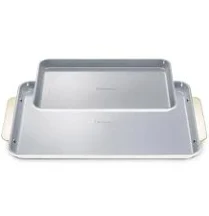
Caraway
Ceramic Nonstick Baking Sheet Duo
- ceramic nonstick coating
- A third party reports verifying it as PFAS-free
- Coating degradation and durability
2 hazards checked on this product. See all of them.
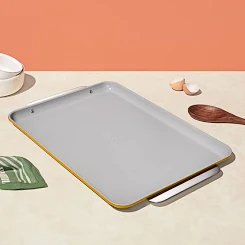
Caraway
Nonstick Ceramic Large Baking Sheet
- ceramic nonstick coating
- The brand calls it PFAS-free, which we have not verified
- Ceramic coating degradation and particle shedding
3 hazards checked on this product. See all of them.
More bakeware grades
How we score, every product runs through the same public 0-100 rubric based on materials, coatings, brand disclosure, lab findings, and recalls. See the full methodology → Spotted a mistake? Report an error.