Trespass · Camping Tents & Tarps
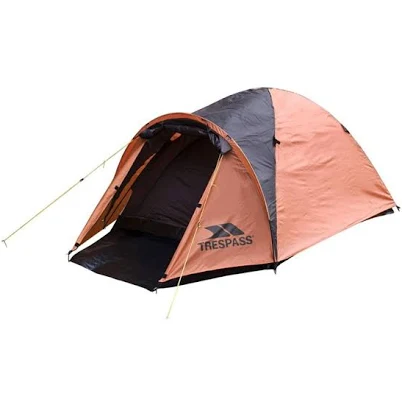
Tent Trespass Tarmachan 2 Man
Tent has waterproof coating; PFAS use unclear, brand silent.
This 2-person tent has waterproof treatment, a common PFAS source. Trespass makes no public disclosure on coating chemistry or PFAS status, leaving risk unverified.
Still want this one anyway? Check the price on Amazon. We’d swap it.
Material
Polyester fabric with waterproof coating
Brand disclosure
Brand is silent on PFAS
Lab data
No public lab test
You may also be interested in
Top-graded picks in the categories readers replace first, every one scored on the same rubric.

Aqua Pure
3M Aqua-Pure AP802B Whole House Filter Housing
- polypropylene filter housing, carbon/sediment cartridge
- We found no PFAS statement from the brand
- Bacterial growth in spent cartridges
3 hazards checked on this product. See all of them.

Aquasure
Premier Series 75 GPD Under Sink Reverse Osmosis Water Filtration System
- RO membrane, carbon filters, stainless steel housing
- We found no PFAS statement from the brand
- Bacterial and microbial growth in housing and filters
4 hazards checked on this product. See all of them.

Avocado
Vegan Mattress
- organic cotton, natural latex, coconut coir, recycled steel coils
- The brand calls it PFAS-free, which we have not verified
- Heavy metals
2 hazards checked on this product. See all of them.
What Tent Trespass Tarmachan 2 Man is made of, ingredients and materials
The Tarmachan 2 uses polyester fabric with a waterproof coating applied to achieve water resistance. Polyester itself is chemically stable and does not leach BPA, phthalates, or other endocrine disruptors under normal camping conditions. The waterproof coating is the chemical concern, manufacturers typically use either fluorinated (PFAS-based) or non-fluorinated polymer systems, and Trespass has not disclosed which is used here. The coating sits on the fabric surface and degrades over years of UV and mechanical stress, but does not typically shed microplastics in measurable amounts during normal use.
What’s concerning
Category baseline
The starting point for this type of product, before anything specific to this product is counted.
No PFAS disclosure
No public statement from the brand about PFAS in this product.
Waterproof / stain-resistant treatment
Water-repellent coating treatments have historically used PFAS.
PFAS
Waterproof polyester tents at this price point commonly use PFAS-based water-repellent coating (water-repellent coating) coatings. Trespass has not disclosed the chemistry. PFAS does not leach into the body during normal camping use, but accumulates in the environment when the tent reaches end of life.
Source, ATSDR ↗Microplastics
Over 5-10 years, the polyurethane or acrylic waterproof coating may crack, peel, or shed particles. Risk of inhalation or ingestion of microplastics is low during casual camping, but degraded tents are harder to waterproof and become more hazardous to use (mold, moisture infiltration).
Source, EPA ↗Volatile organic compounds (VOCs) from coating
New tents may emit low levels of VOCs during unpacking and first use due to solvent residues in the water-repellent coating. Ventilation and airing the tent for several hours before first use reduces this exposure. Off-gassing diminishes rapidly and poses no lasting health risk.
Mold and bacterial growth (maintenance-related, not material toxicity)
Polyester is not inherently mold-prone, but poor storage (damp, unventilated) or inadequate drying after rain allows mold colonization of the fabric and seams. This is a practical maintenance hazard, not a chemical one, but common in budget tents stored in humid climates.
What’s reassuring
Heavy metals
No recalls or reports link Trespass tents to lead, cadmium, or antimony in polyester dyes or waterproof coatings. Polyester dyes are not subject to the same heavy-metal contamination risks as some ceramic glazes or pigmented cosmetics.
Source, FDA ↗The full breakdown
The brand's record and disclosure
Trespass is a UK-based outdoor retailer and does not publish PFAS policies or certifications for their tent range as of available public records. The brand has no known recalls related to chemical hazards in their camping tents. Absence of disclosure is a red flag, transparent manufacturers (e.g., some premium outdoor brands) specify water-repellent chemistry or commit to PFAS-free alternatives. Trespass's silence suggests either PFAS use without management or indifference to consumer transparency.
How it compares in its category
Budget to mid-range camping tents almost universally use either PFAS or non-fluorinated water-repellent coatings; the Tarmachan 2 is typical in this segment. Premium brands (e.g.some US and European manufacturers increasingly offer tents with lower PFAS concern, though at higher cost. The 2-person size and polyester construction are standard; no unusual material choices increase or decrease hazard versus comparable tents in the same price tier. Durability and coating longevity are typical for a budget option (5-7 years with seasonal use).
If you buy it
Store the tent dry and in a cool, shaded place; avoid prolonged heat exposure above 60C (polyester substrate is stable, but coatings degrade faster in heat). Do not machine wash; clean with cool water and mild soap, then air dry away from direct sun and heat sources. Replace the tent when the waterproof coating visibly peels or loses water-repellency, not because of chemical leaching risk. During use, off-gassing of coating volatiles is minimal; ventilate the tent well to reduce condensation and mold risk, which are more practical hazards than chemical exposure.
What we don’t know
- Basis
- Model estimate, 35% confidence, not a lab result
- Lab test
- None on record for this exact product
- Brand statement
- Trespass has made none
Formulations change between production runs, so check the current label. How we grade.
More camping tents & tarps grades
How we score, every product runs through the same public 0-100 rubric based on materials, coatings, brand disclosure, lab findings, and recalls. See the full methodology → Spotted a mistake? Report an error.