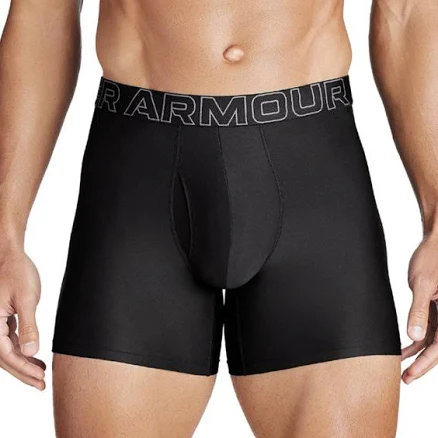
Under Armour · Sports Performance Undergarments
Under Armour Men's Tech
Skip until brand discloses water-repellent coating treatment chemistry.
Under Armour Tech fabric uses unspecified moisture-wicking and durability treatments typical of performance apparel. The brand provides no public disclosure about PFAS in treatments.
Still want this one anyway? Check the price on Amazon. We’d swap it.
Material
polyester blend with moisture-wicking treatment
Brand disclosure
Brand is silent on PFAS
Lab data
No public lab test
What Under Armour Men's Tech is made of, ingredients and materials
Under Armour Tech is a polyester-dominant blend (typically polyester/spandex or polyester/nylon) treated with a water-repellent coating (water-repellent coating) finish and moisture-wicking chemistry. The water-repellent coating is the primary safety concern because brands rarely disclose whether it contains PFAS (fluorochemicals) or PFAS-free alternatives like wax-based or silicone systems. The polyester base itself carries minimal established risk for formaldehyde or heavy-metal dyes in this price tier, but the functional treatments are opaque.
What’s concerning
Category baseline
The starting point for this type of product, before anything specific to this product is counted.
No PFAS disclosure
No public statement from the brand about PFAS in this product.
Waterproof / stain-resistant treatment
Water-repellent coating treatments have historically used PFAS.
PFAS
Moisture-wicking polyester garments commonly use fluorochemical water-repellent coating finishes unless otherwise stated. Under Armour has not disclosed treatment chemistry, making PFAS presence unconfirmed but plausible. This is the primary concern for this product.
Source, ATSDR ↗Volatile organic compound (VOC) off-gassing from coating
Water-repellent coating and moisture-wicking treatments may release low levels of VOCs during initial use or if exposed to heat. Proper ventilation during first washes and avoiding high heat will minimize exposure.
What’s reassuring
Formaldehyde / VOCs
No formaldehyde incidents reported for Under Armour apparel in this category. Modern polyester production typically avoids high formaldehyde use, and under-$100 athletic wear generally meets basic safety standards for residual formaldehyde.
Source, ATSDR ↗Heavy metals
No documented cases of restricted azo dyes or heavy-metal pigment contamination in Under Armour Tech products. Standard athletic wear in this price range is unlikely to use banned azo groups, though dye testing is not publicly available.
Source, FDA ↗Antimony (catalyst residue in polyester)
Polyester production uses antimony trioxide as a catalyst; modern manufacturing captures residues, and garment-level contamination is rare. No specific incidents reported for Under Armour polyester products.
The full breakdown
The brand's record and disclosure
Under Armour has not publicly committed to eliminating PFAS from water-repellent coating chemistry or published supplier testing data for moisture-wicking treatments. The brand has faced no major recalls or documented health complaints tied to formaldehyde or azo dyes in apparel. However, their silence on water-repellent coating chemistry is notable, competitors like Patagonia and Arc'teryx have begun disclosing fluorine-free alternatives, making Under Armour's non-disclosure a relative weakness in transparency.
How it compares in its category
Performance athletic wear from major brands (Nike, Adidas, Lululemon) typically uses similar polyester blends with proprietary moisture-wicking treatments, and most decline to specify water-repellent coating chemistry. Under Armour's lack of public commitment to reducing PFAS use in manufacturing puts it in the middle of the pack, neither leading nor trailing. Specialty outdoor brands (Patagonia, REI Co-op) have begun requiring PFAS-free water-repellent coating, setting a higher standard that Under Armour has not matched.
If you buy it
Wash in cool water and avoid heat-drying, which can stress coatings and potentially release volatile compounds. Replace after 2-3 years or if moisture-wicking noticeably declines, as coating degradation is the typical end-of-life trigger. Do not tumble-dry or iron; lay flat to dry. If moisture-wicking treatment or water-repellent coating becomes a priority concern for your household, contact Under Armour directly to request disclosure of water-repellent coating chemistry before purchase.
What we don’t know
- Basis
- Model estimate, 45% confidence, not a lab result
- Lab test
- None on record for this exact product
- Brand statement
- Under Armour has made none
Formulations change between production runs, so check the current label. How we grade.
Better-graded alternatives in Sports Performance Undergarments
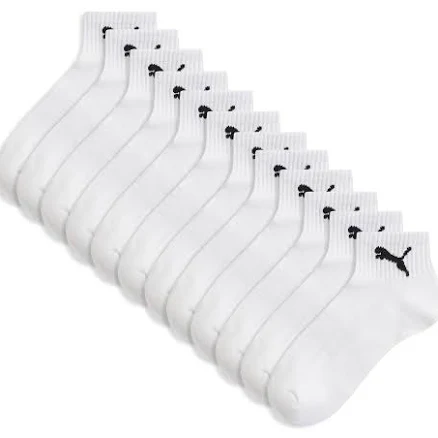
Puma
Women's Quarter Crew Socks (6 Pairs)
- Cotton/polyester blend socks, no waterproofing
- Azo dyes
3 hazards checked on this product. See all of them.
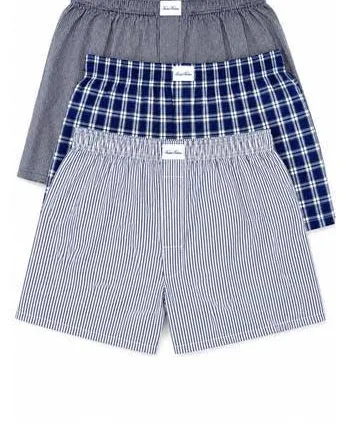
Brooks
Brothers Men's 3-Pack Cotton Boxers
- 100% cotton
- We found no PFAS statement from the brand
- Azo dyes and residual dye chemicals
3 hazards checked on this product. See all of them.
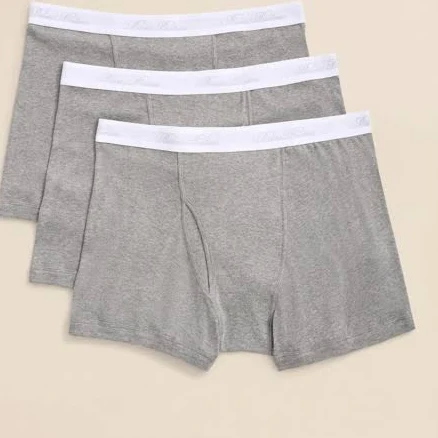
Brooks
Brothers Men's Supima Cotton Boxer Briefs
- Supima cotton, no surface treatment disclosed
- We found no PFAS statement from the brand
- Formaldehyde / VOCs
4 hazards checked on this product. See all of them.
More sports performance undergarments grades
How we score, every product runs through the same public 0-100 rubric based on materials, coatings, brand disclosure, lab findings, and recalls. See the full methodology → Spotted a mistake? Report an error.