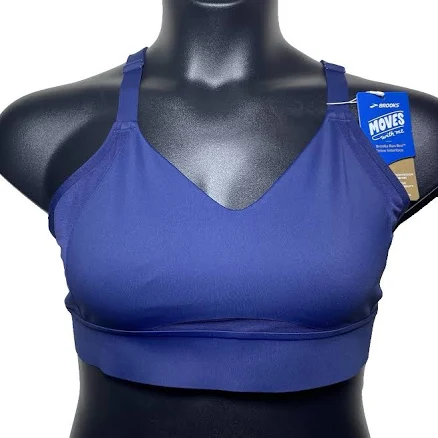
Brooks · Sports Performance Undergarments
Brooks Women's Drive Interlace Run Bra
High risk. Likely has water-repellent coating, Brooks silent.
Sports bras commonly use water-resistant treatments that may contain PFAS. Brooks does not publicly disclose PFAS avoidance or testing.
Still want this one anyway? Check the price on Amazon. We’d swap it.
Material
nylon, elastane, polyester with water-repellent coating finish
Brand disclosure
Brand is silent on PFAS
Lab data
No public lab test
You may also be interested in
Top-graded picks in the categories readers replace first, every one scored on the same rubric.

- polypropylene filter housing, carbon/sediment cartridge
- We found no PFAS statement from the brand
- Bacterial growth in spent cartridges
3 hazards checked on this product, all on its full breakdown.

Aquasure
Premier Series 75 GPD Under Sink Reverse Osmosis Water Filtration System
- RO membrane, carbon filters, stainless steel housing
- We found no PFAS statement from the brand
- Bacterial and microbial growth in housing and filters
4 hazards checked on this product, all on its full breakdown.

Avocado
Vegan Mattress
- organic cotton, natural latex, coconut coir, recycled steel coils
- The brand calls it PFAS-free, which we have not verified
- Heavy metals
2 hazards checked on this product, all on its full breakdown.
What Brooks Women's Drive Interlace Run Bra is made of, ingredients and materials
This bra combines nylon and elastane (spandex) for stretch and support, with polyester in the outer shell, all treated with a water-repellent coating (water-repellent coating) finish. water-repellent coating coatings on athletic wear are typically fluorinated compounds applied to shed sweat and moisture. Nylon and polyester are petroleum-based synthetics that do not inherently leach chemicals under normal wear, but the applied finish and dyes used in construction are the primary chemical concern. Elastane in particular is prone to degradation with repeated washing and heat exposure, which can release fibers and potentially break down the material's structural polymers.
What’s concerning
Category baseline
The starting point for this type of product, before anything specific to this product is counted.
No PFAS disclosure
No public statement from the brand about PFAS in this product.
Waterproof / stain-resistant treatment
Water-repellent coating treatments have historically used PFAS.
PFAS
Sports bras with water-repellent finishes typically use fluorinated water-repellent coating coatings during manufacturing. Brooks does not disclose the formulation, so presence of legacy PFAS or newer alternatives cannot be confirmed from public information. Wear and washing do not typically release significant quantities, but the material itself contains these compounds at manufacture.
Source, ATSDR ↗Formaldehyde / VOCs
Polyester and nylon in colored athletic wear may be treated with formaldehyde-releasing resins for dye fixation or shape retention. No public recall or testing specific to this product exists, but this is a known hazard in synthetic apparel; risk is low under normal wear and washing.
Source, ATSDR ↗Azo dyes
Synthetic textiles often use azo dyes, some of which can break down into aromatic amines under certain conditions (acidic sweat, extended storage). No specific testing for this bra is available; industry compliance with OEKO-TEX or similar standards would exclude known carcinogenic azo dyes, but Brooks does not certify to these standards.
Elastane (spandex) degradation and microfiber shedding
Elastane fibers break down with repeated washing, heat exposure, and physical wear, releasing microfibers into wash water and potentially inhaled during handling. This is documented in technical textile literature; it affects all elastane-containing garments, including this bra. Regular machine washing and air-drying limit but do not eliminate this hazard.
What’s reassuring
Antimony in polyester
Antimony trioxide is sometimes used as a catalyst in polyester manufacturing. No specific data or concerns for this product exist in public record; it is typically retained in the polymer matrix and does not migrate during normal wear, but is a theoretical concern with older polyester formulations.
How is this PFAS grade calculated?
The brand's record and disclosure
Brooks does not publicly disclose PFAS use or non-use in their apparel line, nor do they appear to have committed to PFAS-free manufacturing as part of a formal sustainability statement. The company has not achieved independent third-party certifications (such as bluesign or OEKO-TEX Standard 100) that would rule out or limit restricted substances in this product. This silence is typical of mainstream athletic brands; absence of transparency does not confirm PFAS presence, but it reflects a lack of proactive chemical disclosure that some competitors provide.
How it compares in its category
Sports bras with synthetic water-repellent coating finishes are the industry standard; this product is not unusual in that respect. Some premium or eco-focused brands (e.g., Patagonia, Allbirds) have adopted PFC-free water repellency, but Brooks has not publicly committed to that transition. Most mass-market athletic brands fall into the same disclosure gap as Brooks, making this product typical rather than exceptional in chemical transparency. Performance and durability expectations are appropriate for the price point; chemical risk profile is not differentiated.
If you buy it
Wash in cool water and air-dry; heat (dryer, hot water) accelerates elastane breakdown and may mobilize or degrade the water-repellent coating finish. Avoid chlorine-based detergents and fabric softeners, which can strip or interact with the water-repellent coating. Replace after 1-2 years of regular use or when elastic no longer provides firm support, as degraded elastane increases microfiber shedding. If concerned about PFAS exposure, consider contacting Brooks directly to request product-specific chemical data; consumer pressure has prompted some brands to disclose or reformulate.
What is not known about PFAS in this product?
- Basis
- Model estimate, 45% confidence, not a lab result
- Lab test
- None on record for this exact product
- Brand statement
- Brooks has made none
Formulations change between production runs, so check the current label. How we grade.
What are the PFAS-free alternatives to Brooks Women's Drive Interlace Run Bra?
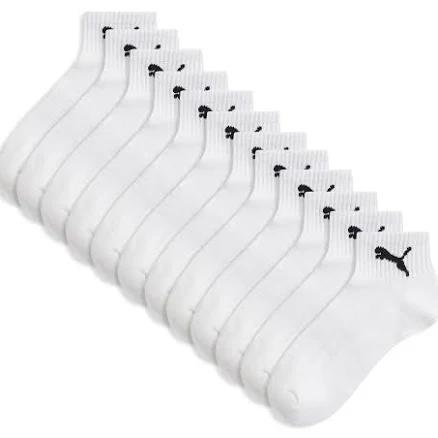
- Cotton/polyester blend socks, no waterproofing
- Azo dyes
3 hazards checked on this product, all on its full breakdown.
Find an alternative on Amazon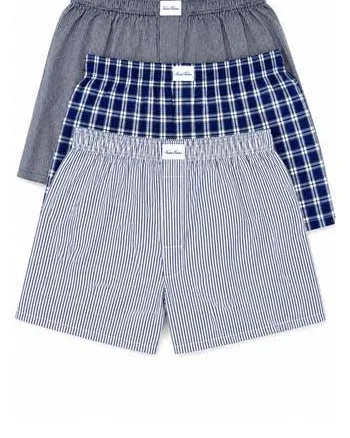
- 100% cotton
- We found no PFAS statement from the brand
- Azo dyes and residual dye chemicals
3 hazards checked on this product, all on its full breakdown.
Find an alternative on Amazon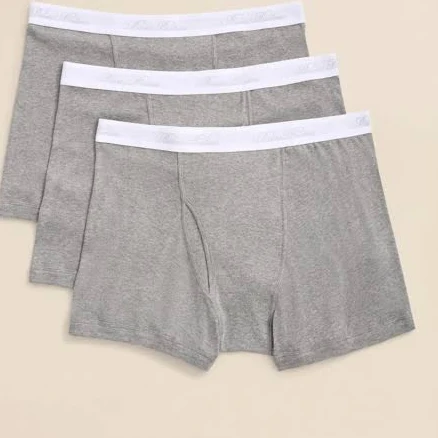
- Supima cotton, no surface treatment disclosed
- We found no PFAS statement from the brand
- Formaldehyde / VOCs
4 hazards checked on this product, all on its full breakdown.
Find an alternative on AmazonMore sports performance undergarments grades
How we score, every product runs through the same public 0-100 rubric based on materials, coatings, brand disclosure, lab findings, and recalls. See the full methodology → Spotted a mistake? Report an error.