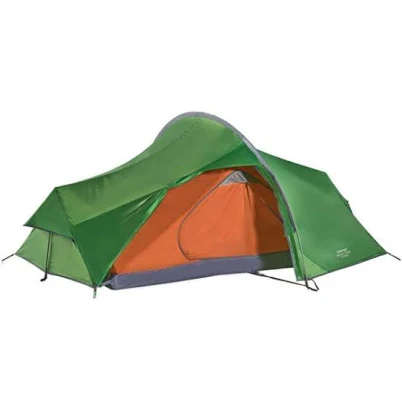
Nevis 300 Backpacking Tent
Higher concern. Polyester with water-repellent coating where PFAS use is common, no disclosure.
The Nevis 300 has polyester fabric with a water-repellent coating. water-repellent coating treatments historically used PFAS compounds. Vango has no PFAS statement on record and provides no certification of the coating chemistry.
Still want this one anyway? Check the price on Amazon. We’d swap it.
Material
Polyester fabric with water-repellent coating (water-repellent coating) coating
Brand disclosure
Brand is silent on PFAS
Lab data
No public lab test
You may also be interested in
Top-graded picks in the categories readers replace first, every one scored on the same rubric.

Aqua Pure
3M Aqua-Pure AP802B Whole House Filter Housing
- polypropylene filter housing, carbon/sediment cartridge
- We found no PFAS statement from the brand
- Bacterial growth in spent cartridges
3 hazards checked on this product. See all of them.

Aquasure
Premier Series 75 GPD Under Sink Reverse Osmosis Water Filtration System
- RO membrane, carbon filters, stainless steel housing
- We found no PFAS statement from the brand
- Bacterial and microbial growth in housing and filters
4 hazards checked on this product. See all of them.

Avocado
Vegan Mattress
- organic cotton, natural latex, coconut coir, recycled steel coils
- The brand calls it PFAS-free, which we have not verified
- Heavy metals
2 hazards checked on this product. See all of them.
What Nevis 300 Backpacking Tent is made of, ingredients and materials
The Nevis 300 uses polyester fabric with a water-repellent coating (water-repellent coating) coating. Polyester itself is chemically stable and does not off-gas formaldehyde or volatile organics under normal camping conditions. The water-repellent coating, however, is the critical unknown, most mass-market tent water-repellent coating treatments rely on fluorinated compounds (PFAS family) that repel water but resist environmental breakdown and bioaccumulate. Vango has not publicly disclosed their specific water-repellent coating chemistry, which is standard industry silence on this issue.
What’s concerning
Category baseline
The starting point for this type of product, before anything specific to this product is counted.
No PFAS disclosure
No public statement from the brand about PFAS in this product.
Waterproof / stain-resistant treatment
Water-repellent coating treatments have historically used PFAS.
PFAS
Standard tent industry practice; Vango has not disclosed their water-repellent coating chemistry. Fluorinated water-repellents are the norm for this price and performance tier. Ingestion risk is minimal; primary exposure route is dermal contact and inhalation during setup, care, or recoating.
Source, ATSDR ↗Formaldehyde / VOCs
Polyester fabric itself does not require formaldehyde, but some finishing processes (wrinkle resistance, color setting) may introduce trace formaldehyde releasers. No specific data on Vango's process; industry compliance with EU EN 14184-1 (limit, 75 ppm) is typical but not guaranteed for all suppliers.
Source, ATSDR ↗Adhesive or glue off-gassing (seam tapes, interior patches)
Tent seam tape and interior repair patches may use volatile organic compound (VOC) adhesives. Outgassing is usually minimal in well-ventilated camping use. New tents may smell strong initially; airing in sunlight for a few days reduces this.
UV degradation and microplastic shedding
Polyester degrades under prolonged UV and abrasion, potentially releasing microplastics into soil or water. This is a longer-term environmental concern (years of use and decomposition) rather than acute health risk during normal use.
What’s reassuring
Azo dye residues
Polyester fabric can be dyed with azo dyes that release carcinogenic amines under reduction or microbial conditions. Vango products typically meet EU safety standards, which restrict the worst carcinogenic azo dyes (OEKO-TEX limit, banned list). No specific recalls or breaches documented for this model.
The full breakdown
The brand's record and disclosure
Vango is a UK-based outdoor brand owned by MAM Group. The company has no published transparency reports on PFAS use, fluorochemical sourcing, or transition to PFAS-free alternatives. No third-party certifications (such as OEKO-TEX or Bluesign) are advertised for the Nevis 300 line. Unlike some premium competitors (e.g., Patagonia, some Eureka models), Vango has not committed publicly to phasing out PFAS in coatings, making their stance effectively silent on a material safety choice.
How it compares in its category
Budget and mid-range backpacking tents (under GBP 200) almost universally rely on fluorinated water-repellent coating coatings because alternatives (wax, silicone, or newer Teflon-family coating with lower PFAS profiles) cost more and require reapplication. The Nevis 300 is typical for its price tier and brand; it offers no documented sustainability or PFAS-avoidance advantage. Higher-cost brands increasingly market PFAS-free or certified options, though verification is often incomplete. This tent sits in the 'unvetted mainstream' segment.
If you buy it
Store the tent dry and avoid prolonged contact with skin or inhalation of fumes during initial setup (new water-repellent coating coatings may off-gas slightly). Do not machine wash or tumble dry; hand rinse only with cool water and air-dry away from direct heat or sunlight. Reapply water-repellent coating treatment every 1-2 years using commercial products; this prolongs water resistance but reintroduces fluorochemical exposure. If respiratory sensitivity or PFAS concern is high, consider renting or purchasing from brands with public PFAS commitments instead.
What we don’t know
- Basis
- Model estimate, 45% confidence, not a lab result
- Lab test
- None on record for this exact product
- Brand statement
- Vango has made none
Formulations change between production runs, so check the current label. How we grade.
More camping tents & tarps grades
How we score, every product runs through the same public 0-100 rubric based on materials, coatings, brand disclosure, lab findings, and recalls. See the full methodology → Spotted a mistake? Report an error.