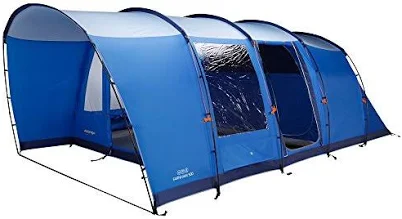
Vango Farnham Family Tunnel Tent
Avoid until Vango reveals coating chemistry or certifies PFAS-free.
Vango's family tunnel tent features polyester with an unspecified waterproof coating. The brand discloses nothing about PFAS in their water-repellent coating treatment, and tunnel tents routinely rely on fluorochemicals for water resistance.
Still want this one anyway? Check the price on Amazon. We’d swap it.
Material
polyester fabric with unspecified waterproof/water-repellent coating
Brand disclosure
Brand is silent on PFAS
Lab data
No public lab test
You may also be interested in
Top-graded picks in the categories readers replace first, every one scored on the same rubric.

Aqua Pure
3M Aqua-Pure AP802B Whole House Filter Housing
- polypropylene filter housing, carbon/sediment cartridge
- We found no PFAS statement from the brand
- Bacterial growth in spent cartridges
3 hazards checked on this product. See all of them.

Aquasure
Premier Series 75 GPD Under Sink Reverse Osmosis Water Filtration System
- RO membrane, carbon filters, stainless steel housing
- We found no PFAS statement from the brand
- Bacterial and microbial growth in housing and filters
4 hazards checked on this product. See all of them.

Avocado
Vegan Mattress
- organic cotton, natural latex, coconut coir, recycled steel coils
- The brand calls it PFAS-free, which we have not verified
- Heavy metals
2 hazards checked on this product. See all of them.
What Vango Farnham Family Tunnel Tent is made of, ingredients and materials
The Farnham uses polyester fabric with an undisclosed waterproof and water-repellent coating (water-repellent coating) coating. Polyester itself is chemically stable and does not off-gas formaldehyde or volatile organics under normal camping conditions. However, the water-repellent coating finish is the critical unknown, most tent coatings historically rely on long-chain PFAS (perfluorocarbons) to achieve water shedding, though some manufacturers have moved to fluorine-free alternatives. Vango has not publicly specified which chemistry they use.
What’s concerning
Category baseline
The starting point for this type of product, before anything specific to this product is counted.
No PFAS disclosure
No public statement from the brand about PFAS in this product.
Waterproof / stain-resistant treatment
Water-repellent coating treatments have historically used PFAS.
PFAS
Tent waterproofing coatings in this market segment historically rely on fluorinated compounds; Vango's silence on chemistry suggests default PFAS formulation, though not confirmed.
Source, ATSDR ↗Coating degradation and leaching
Over 3-5 years of UV and weather exposure, the water-repellent coating may delaminate or crack, potentially releasing residues if water is applied at high heat (e.g., hot-water cleaning); not reported but consistent with polyester tent lifecycle.
What’s reassuring
Polyester fiber integrity
Polyester fabric itself does not degrade into microplastics under normal camping use or hand washing; no documented risk from this material at typical exposure levels.
Heavy metals
Polyester is not typically dyed with azo dyes or heavy-metal mordants; no safety alerts exist for Vango polyester tents on this basis.
Source, FDA ↗Formaldehyde / VOCs
Polyester does not require formaldehyde-based resins for wrinkle resistance or shrink control as cotton does; no evidence of formaldehyde treatment in Vango tent fabrics.
Source, ATSDR ↗The full breakdown
The brand's record and disclosure
Vango is a UK-based outdoor equipment manufacturer owned by the Cabanon Group. The brand does not publish detailed material safety data sheets, PFAS-free certifications, or coating chemistry for its tent range. No recalls or safety controversies specific to this model are on record. Industry-wide, tent makers have been slow to adopt transparent water-repellent coating labeling, and Vango's silence on this issue is typical rather than exceptional, but it prevents confident assessment.
How it compares in its category
Family tunnel tents in Vango's price and feature range (mid-market recreational camping) typically use polyester with PFAS-based water-repellent coating coatings as the default. Some competitors like Coleman and Eurohike have likewise not disclosed coating chemistry publicly. Higher-end brands such as MSR and some Arc'teryx licensed models have begun offering PFAS-free options, but these command premium pricing. The Farnham represents the mainstream standard, adequate performance, poor transparency.
If you buy it
Use the tent in well-ventilated outdoor settings to avoid accumulating off-gases (minimal risk from polyester itself, but prudent). Do not machine-wash the fabric; rinse with plain water only and air-dry fully to preserve the water-repellent coating and avoid leaching unknowns into wastewater. Inspect seams and coating annually for degradation; once peeling or delamination is visible, water-repellent coating effectiveness declines and reapplication with an aftermarket product becomes necessary. Before purchase, email Vango customer service requesting water-repellent coating details; transparent responses increase confidence.
What we don’t know
- Basis
- Model estimate, 35% confidence, not a lab result
- Lab test
- None on record for this exact product
- Brand statement
- Vango has made none
Formulations change between production runs, so check the current label. How we grade.
More camping tents & tarps grades
How we score, every product runs through the same public 0-100 rubric based on materials, coatings, brand disclosure, lab findings, and recalls. See the full methodology → Spotted a mistake? Report an error.