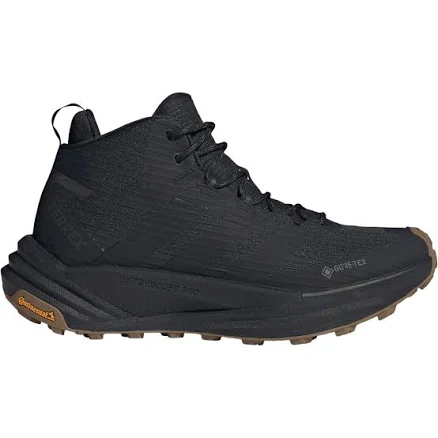
adidas Men's Terrex Freehiker 3 Mid GORE-TEX Hiking Shoes
GORE-TEX likely contains PFAS; Adidas discloses nothing about PFAS content.
Adidas Terrex Freehiker uses GORE-TEX, a Teflon-family coating membrane widely documented to contain PFAS for waterproofing. Adidas makes no public PFAS disclosure for this model. Higher concern for PFAS exposure.
Still want this one anyway? Check the price on Amazon. We’d swap it.
Material
GORE-TEX membrane with textile upper
Lab data
No public lab test
You may also be interested in
Top-graded picks in the categories readers replace first, every one scored on the same rubric.

- polypropylene filter housing, carbon/sediment cartridge
- We found no PFAS statement from the brand
- Bacterial growth in spent cartridges
3 hazards checked on this product, all on its full breakdown.

Aquasure
Premier Series 75 GPD Under Sink Reverse Osmosis Water Filtration System
- RO membrane, carbon filters, stainless steel housing
- We found no PFAS statement from the brand
- Bacterial and microbial growth in housing and filters
4 hazards checked on this product, all on its full breakdown.

Avocado
Vegan Mattress
- organic cotton, natural latex, coconut coir, recycled steel coils
- The brand calls it PFAS-free, which we have not verified
- Heavy metals
2 hazards checked on this product, all on its full breakdown.
What adidas Men's Terrex Freehiker Hiking Shoes is made of, ingredients and materials
These hiking shoes use a GORE-TEX membrane laminated to textile uppers, designed to shed water while allowing vapor transmission. GORE-TEX waterproofing traditionally relies on perfluorinated compounds (PFAS) to achieve its water-repellent properties, though the exact chemistry Adidas uses is not publicly disclosed. The textile upper is typically polyester or nylon with synthetic adhesives and dyes; the sole is rubber or polyurethane foam. Over the shoe's life, mechanical wear and UV exposure can degrade the membrane, potentially increasing risk of microfiber shedding from the synthetic textile layers.
What’s concerning
Waterproof / stain-resistant treatment
Water-repellent coating treatments have historically used PFAS.
Category baseline
The starting point for this type of product, before anything specific to this product is counted.
No PFAS disclosure
No public statement from the brand about PFAS in this product.
Azo dyes and synthetic colorants
Polyester and nylon textiles in the upper may contain azo dyes, which can release aromatic amines under sweat or perspiration. EU regulations limit the worst offenders, but Adidas does not independently certify specific dye safety. Risk is higher in dark colors and brightly dyed accents.
Formaldehyde / VOCs
Synthetic textile uppers often use formaldehyde-based resins for shape-setting, water-resistance, and adhesive bonding. Adidas does not publish formaldehyde limits for this product. Exposure risk is low in normal wear but increases if the shoe is exposed to heat or sweat for extended periods.
Source, ATSDR ↗Microfiber shedding from degraded synthetic uppers
Polyester and nylon textiles shed microfibers when worn, washed, or abraded. GORE-TEX lamination can separate over time, accelerating microfiber release into soil and water during outdoor wear. This product's durability reduces long-term shedding compared to cheaper alternatives, but significant shedding occurs near end-of-life.
Adhesives and solvent residues
GORE-TEX lamination and sole bonding typically use synthetic adhesives with solvent carriers. Adidas does not disclose adhesive chemistry. Off-gassing risk is minimal after the manufacturing cure period, but open seams or damaged areas may emit volatile organic compounds if exposed to heat.
What’s reassuring
Antimony in polyester fibers
Polyester textile production can use antimony trioxide as a catalyst; traces may remain in the finished fiber. No reports specific to Adidas footwear; EU regulations allow up to 260 mg/kg. Risk is low in normal skin contact, higher if chewed by infants or if fibers are ingested.
How is this PFAS grade calculated?
The brand's record and disclosure
Adidas has not published PFAS content declarations for this or most footwear lines, despite industry pressure. The company has committed to PFAS reduction in some product lines but maintains silence on hiking and performance footwear. No major recalls or controversies specific to this model are on record. Adidas does not prominently certify products against formaldehyde or azo dyes, though the brand follows EU textile regulations which cap these substances.
How it compares in its category
GORE-TEX hiking shoes are standard in the high-performance segment and carry inherent PFAS exposure that most competing waterproof footwear shares (Salomon, Merrell, The North Face). Non-PFAS waterproof alternatives exist (synthetic waxed uppers, polyurethane coatings) but are less common in premium hiking boots and typically offer lower breathability. Adidas's transparency on chemical content is below the median for major outdoor brands; some competitors publish full restricted substance lists. Price and durability position this product in the mid-to-premium range where PFAS use is standard.
If you buy it
Treat GORE-TEX shoes as single-use or moderate-reuse items given PFAS concerns; do not pass to children or vulnerable household members if wearing down. Clean with plain water and mild soap; avoid harsh detergents or heat treatment (no dryers or direct heat above 40°C) which can degrade the membrane and increase microfiber release. Replace when the textile shows visible separation from the GORE-TEX layer or the sole shows wear. Store dry and away from sunlight to slow UV-driven degradation.
What is not known about PFAS in this product?
- Basis
- Model estimate, 45% confidence, not a lab result
- Lab test
- None on record for this exact product
- Brand statement
- Adidas has made a specific claim
Formulations change between production runs, so check the current label. How we grade.
What are the PFAS-free alternatives to adidas Men's Terrex Freehiker 3 Mid GORE-TEX Hiking Shoes?
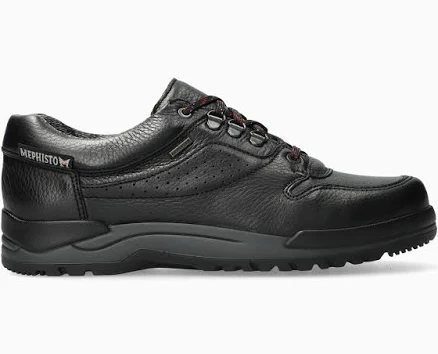
- leather, textile, rubber sole
- We found no PFAS statement from the brand
- Volatile organic compounds (VOC) off-gassing from adhesives
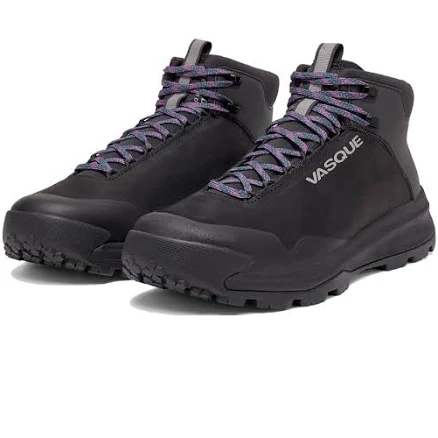
- Leather/nubuck upper, synthetic/rubber sole, no coating disclosed
- We found no PFAS statement from the brand
- Azo dyes (leather/textile coloring)
4 hazards checked on this product, all on its full breakdown.
Find an alternative on AmazonMore waterproof boots grades
How we score, every product runs through the same public 0-100 rubric based on materials, coatings, brand disclosure, lab findings, and recalls. See the full methodology → Spotted a mistake? Report an error.