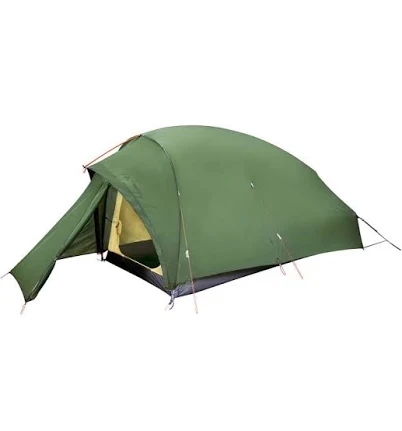
Taurus UL 2p Tent
Skip until Vaude discloses water-repellent coating chemistry or commits to PFAS-free alternatives.
This lightweight 2-person tent features polyester with water-repellent treatment. Vaude has not publicly stated what water-repellent coating chemical is used.
Still want this one anyway? Check the price on Amazon. We’d swap it.
Material
Polyester fabric with water-repellent coating (water-repellent coating) coating
Brand disclosure
Brand is silent on PFAS
Lab data
No public lab test
What Taurus UL 2p Tent is made of, ingredients and materials
The Taurus UL 2p uses polyester fabric with a water-repellent coating (water-repellent coating) coating applied to the outer shell. water-repellent coating coatings on outdoor textiles are commonly fluorine-based (PFAS-containing) to repel water while allowing breathability, though non-fluorine alternatives exist. Vaude has not publicly specified which water-repellent coating chemistry is used on this model. Polyester itself is stable and does not leach chemicals during normal use, but the coating's composition determines contamination risk.
What’s concerning
Category baseline
The starting point for this type of product, before anything specific to this product is counted.
No PFAS disclosure
No public statement from the brand about PFAS in this product.
Waterproof / stain-resistant treatment
Water-repellent coating treatments have historically used PFAS.
PFAS
Vaude has not disclosed whether the water-repellent coating on the Taurus UL 2p is fluorine-based (likely PFAS) or non-fluorine. Standard polyester tent DWRs are commonly PFAS; without manufacturer confirmation, assume possible presence.
Source, ATSDR ↗Coating degradation and microfiber release
As the water-repellent coating wears (5-10 years of UV and moisture exposure), microscopic particles may shed into soil or water during washing. The extent depends on coating durability and washing frequency; risk increases with age.
Off-gassing of volatile organics (VOC) from fresh tent
New polyester tents may emit mild odor (solvents from manufacturing and glues) for the first few days of use. This is temporary and poses minimal inhalation risk; ventilate the tent before extended indoor use.
What’s reassuring
Formaldehyde / VOCs
Polyester fabric itself does not typically contain formaldehyde, but some finishing processes may introduce trace residues. Vaude's manufacturing standards are not publicly detailed; no formaldehyde complaints are recorded for this product line.
Source, ATSDR ↗Flame retardants
Most camping tents are not flame-retardant treated. No evidence suggests the Taurus UL 2p has additional flame-retardant coatings beyond the water-repellent coating.
Source, EPA ↗The full breakdown
The brand's record and disclosure
Vaude (German outdoor brand) has made public commitments to sustainability but has not published a clear PFAS-elimination timeline or material disclosure for tent lines as of available records. The company does not widely advertise PFAS-free water-repellent coating use on current products. No recalls or safety violations specific to Vaude tents are documented in public databases. Without direct confirmation from Vaude about the Taurus UL 2p's water-repellent coating source, the coating chemistry remains opaque to consumers.
How it compares in its category
Most budget and mid-range camping tents use polyester with fluorine-based water-repellent coating coatings due to cost and durability; Vaude's positioning is mid-to-premium, so a non-fluorine water-repellent coating option would be competitive but is not confirmed here. Brands like Big Agnes and some REI Co-op models have committed to PFAS-free alternatives, setting a transparency standard. The Taurus UL 2p's lack of public water-repellent coating disclosure is typical of many legacy tent designs but increasingly seen as a transparency gap relative to emerging category leaders.
If you buy it
Contact Vaude directly before purchase to request the water-repellent coating chemistry specification for this model; a specific response strengthens your confidence. Use the tent as intended in normal weather without exposing it to prolonged heat above 60°C (140°F), which could theoretically accelerate any coating degradation. Replace the tent when seams fail, fabric tears, or water beads no longer form on the outer layer, indicating water-repellent coating loss (typically 3-7 years depending on UV and moisture exposure). Wash it with plain water and mild soap; avoid high-temperature laundering or bleach, which can degrade both polyester and water-repellent coating coatings.
What we don’t know
- Basis
- Model estimate, 35% confidence, not a lab result
- Lab test
- None on record for this exact product
- Brand statement
- Vaude has made none
Formulations change between production runs, so check the current label. How we grade.
More camping tents & tarps grades
How we score, every product runs through the same public 0-100 rubric based on materials, coatings, brand disclosure, lab findings, and recalls. See the full methodology → Spotted a mistake? Report an error.