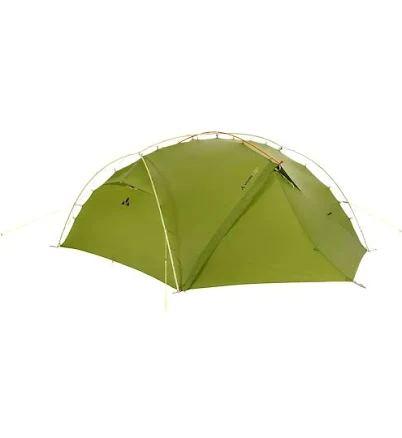
Vaude Adventure Mark Tent
Skip unless Vaude discloses water-repellent coating chemistry.
This tent uses polyester with water-repellent coating, but Vaude refuses to reveal whether PFAS is involved. Most conventional outdoor tents use fluorine-based repellents.
Still want this one anyway? Check the price on Amazon. We’d swap it.
Material
Polyester with water-repellent coating (water-repellent coating) coating
Brand disclosure
Brand is silent on PFAS
Lab data
No public lab test
What Vaude Adventure Mark Tent is made of, ingredients and materials
The Adventure Mark uses polyester fabric with a water-repellent coating (water-repellent coating) coating applied to the outer shell. water-repellent coating treatments historically rely on fluorinated compounds (PFAS) to repel water while allowing breathability, though non-fluorinated alternatives exist. Polyester itself is chemically stable under normal camping use, but the coating's composition directly affects whether persistent toxins accumulate in soil or water near your campsite.
What’s concerning
Category baseline
The starting point for this type of product, before anything specific to this product is counted.
No PFAS disclosure
No public statement from the brand about PFAS in this product.
Waterproof / stain-resistant treatment
Water-repellent coating treatments have historically used PFAS.
PFAS
Vaude has not disclosed water-repellent coating chemistry for this model. Fluorinated water repellents are standard in polyester tents at this price point; PFAS presence is unconfirmed but historically likely. Contact Vaude for explicit confirmation of coating type.
Source, ATSDR ↗Microfiber and microplastic shedding
Polyester fabric can shed fibers during normal wear, pitching, and rain exposure. Shedding increases if the water-repellent coating degrades or fabric is rubbed against rough surfaces. Shed microfibers may wash into soil near campsite but do not pose acute inhalation risk in outdoor use.
What’s reassuring
Formaldehyde / VOCs
Polyester tent fabric for Vaude products is not documented to use formaldehyde-based resins. Standard polyester requires no formaldehyde for performance. No recalls or complaints on record for off-gassing from this tent line.
Source, ATSDR ↗Dye migration or azo dye residues
Vaude is a quality-conscious manufacturer; polyester dyes used in outdoor tents are generally non-azo and color-locked. No established reports of dye bleeding or allergic reactions from this brand's tent fabrics.
Flame retardants
Camping tents are not subject to flame-retardant regulations and Vaude does not advertise flame retardant treatments on the Adventure Mark. Polyester itself is melt-sensitive but not actively treated with additional chemicals of concern.
Source, EPA ↗The full breakdown
The brand's record and disclosure
Vaude, a German outdoor-gear manufacturer, has published sustainability commitments but has not publicly disclosed the specific chemistry of water-repellent coating coatings used in the Adventure Mark line. The company does not advertise PFAS-free status or third-party certifications for PFAS avoidance on this model. Without direct communication from Vaude confirming non-fluorinated water-repellent coating, the default assumption in the tent industry is PFAS presence.
How it compares in its category
Most budget to mid-range polyester tents use fluorinated water-repellent coating; this is industry standard. Vaude is not known for pioneering PFAS alternatives in tents, unlike a few premium brands that market PFAS-free coatings. If PFAS avoidance is a priority, you would need to contact Vaude directly or select brands that explicitly certify fluorinated-water-repellent coating-free construction.
If you buy it
Store dry and unfolded when possible to minimize mold and coating stress. Avoid machine washing; hand-rinse with cool water if needed. Do not apply commercial tent reproofers without confirming PFAS-free status, as many add-on treatments contain PFAS. Replace or retire if seams separate or fabric loses water repellency, as this signals coating breakdown and potential microfiber shedding during heavy rain.
What we don’t know
- Basis
- Model estimate, 45% confidence, not a lab result
- Lab test
- None on record for this exact product
- Brand statement
- Vaude has made none
Formulations change between production runs, so check the current label. How we grade.
More camping tents & tarps grades
How we score, every product runs through the same public 0-100 rubric based on materials, coatings, brand disclosure, lab findings, and recalls. See the full methodology → Spotted a mistake? Report an error.