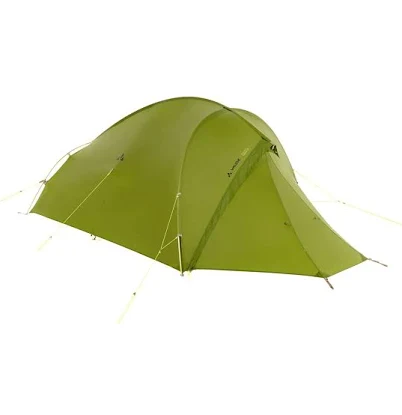
Vaude Adventure Taurus Tent
Nylon tent with water-repellent coating of undisclosed chemistry raises concern for PFAS.
The Adventure Taurus has polyamide fabric with a water-repellent coating. Vaude has no PFAS statement on record. The water-repellent coating treatment chemistry is not stated. water-repellent coating finishes have historically used PFAS compounds.
Still want this one anyway? Check the price on Amazon. We’d swap it.
Material
Polyamide/nylon fabric with water-repellent coating (water-repellent coating) coating
Brand disclosure
Brand is silent on PFAS
Lab data
No public lab test
What Vaude Adventure Taurus Tent is made of, ingredients and materials
The Vaude Adventure Taurus uses polyamide (nylon) fabric, a synthetic polymer chosen for its strength-to-weight ratio and water resistance. The fabric is coated with a water-repellent coating (water-repellent coating) finish to shed water without requiring a waterproof membrane in this tent design. water-repellent coating finishes on outdoor gear have historically relied on fluorinated compounds (PFAS) to achieve durability, though some manufacturers have moved to alternatives not linked to PFAS. Vaude has not publicly disclosed which chemistry their water-repellent coating uses on this model.
What’s concerning
Category baseline
The starting point for this type of product, before anything specific to this product is counted.
No PFAS disclosure
No public statement from the brand about PFAS in this product.
Waterproof / stain-resistant treatment
Water-repellent coating treatments have historically used PFAS.
water-repellent coating (water-repellent coating) coating composition
The water-repellent coating finish on this tent is not publicly disclosed by Vaude. Standard industry practice until recently involved PFAS chemistry; no confirmation that this specific model uses PFAS-free alternatives. This is graded separately in the PFAS assessment but remains a material uncertainty.
Mold and microbial growth in nylon fabric
Polyamide fabrics retain moisture and can support mold and mildew if stored damp or in humid conditions. Prolonged exposure to active mold colonies may emit volatile organic compounds and pose respiratory irritation; risk is entirely preventable through proper drying and ventilation.
Fabric degradation and fiber shedding over time
Nylon degrades under UV exposure, high heat, and hydrolysis (reaction with water and air). Degraded fabric may shed microfibers; no specific quantification exists for this model, but it is a known long-term behavior of the material class.
What’s reassuring
Seam tape and adhesive composition
Tent seams are sealed with tape and adhesive; Vaude does not publicly disclose the chemical formulation. No known incidents of off-gassing or irritation have been reported for this model, and adhesives used in outdoor textiles are typically low-volatility at ambient temperatures.
Zipper materials and lubricants
Entry zippers may use metals (e.g., aluminum alloy) and silicone or Teflon-type coating lubricants to ensure smooth operation. No documented issues with metal leaching or lubricant migration have been reported for this tent model. Standard outdoor gear zinc or aluminum zippers pose minimal risk under normal use.
The full breakdown
The brand's record and disclosure
Vaude is a German outdoor brand with a stated commitment to sustainability, but their transparency on PFAS and chemical use in specific products remains limited. The company has not published a comprehensive phaseout timeline for PFAS in water-repellent coating coatings across their tent range. No recalls or documented chemical contamination events have been reported for this model. Prospective buyers should contact Vaude directly to request confirmation of water-repellent coating treatment chemistry before purchase if PFAS exposure is a concern.
How it compares in its category
Most mainstream camping tents in the three-season, mid-range price segment use nylon with fluorinated water-repellent coating or PU membranes; the Taurus sits in this conventional category. Some premium brands (e.g., Big Agnes, MSR) now market PFAS-free water-repellent coating options, though at higher cost and sometimes with trade-offs in durability or water repellency longevity. Budget tents often use lower-quality nylon or polyester with minimal water-repellent coating, which can lead to faster degradation and mold growth. The Taurus represents a middle position, established materials without documented low-chemical alternatives from this vendor.
If you buy it
Store the tent dry and well-ventilated to prevent mold and fungal growth in the nylon fibers, which can degrade fabric and create odor. Avoid prolonged exposure to direct sunlight or heat above 65°C (150°F), as sustained heat can weaken nylon and may accelerate any water-repellent coating breakdown. Inspect seams and fabric annually for wear; reapply seam sealer if leaks develop. Wash gently with cool water and mild soap; avoid harsh detergents or bleach, which will strip the water-repellent coating prematurely.
What we don’t know
- Basis
- Model estimate, 45% confidence, not a lab result
- Lab test
- None on record for this exact product
- Brand statement
- Vaude has made none
Formulations change between production runs, so check the current label. How we grade.
More camping tents & tarps grades
How we score, every product runs through the same public 0-100 rubric based on materials, coatings, brand disclosure, lab findings, and recalls. See the full methodology → Spotted a mistake? Report an error.