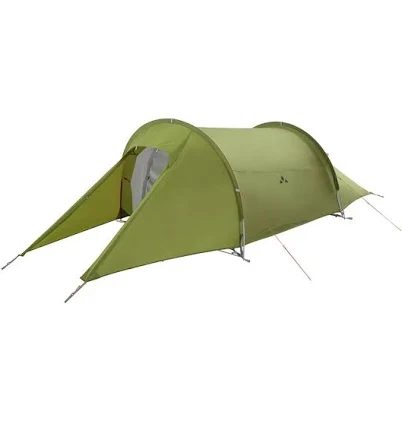
Vaude Arco 2P Tunnel Tent
Tunnel tent with standard water-repellent coating; PFAS composition unspecified.
This 2-person tunnel tent has polyester with water-repellent treatment standard to outdoor shelters. Vaude does not publicly state whether PFAS is involved.
Still want this one anyway? Check the price on Amazon. We’d swap it.
Material
Polyester fabric with water-repellent coating (water-repellent coating) coating
Brand disclosure
Brand is silent on PFAS
Lab data
No public lab test
What Vaude Arco 2P Tunnel Tent is made of, ingredients and materials
The Arco 2P uses polyester fabric treated with a water-repellent coating (water-repellent coating) coating to shed water. water-repellent coating coatings have historically relied on PFAS compounds, though some manufacturers now use fluorine-free alternatives; Vaude does not publicly specify which type is used here. Polyester itself is inert and does not leach chemicals under normal camping conditions, but the coating degradation over repeated use and washing can release particles and potentially residual chemical additives into the environment.
What’s concerning
Category baseline
The starting point for this type of product, before anything specific to this product is counted.
No PFAS disclosure
No public statement from the brand about PFAS in this product.
Waterproof / stain-resistant treatment
Water-repellent coating treatments have historically used PFAS.
water-repellent coating degradation and particulate release
Over time and with washing, the water-repellent coating can break down and shed micro-particles into soil and water. No specific data on Arco 2P, but inherent to polyester water-repellent coating fabrics; risk is low for the user but notable for environmental persistence if PFAS-based.
Mold and bacterial growth in seams and floor
Polyester does not rot, but trapped moisture in seams and the tent floor can support mold and bacteria growth if stored wet or in high humidity. Vaude tents are standard construction; proper drying and ventilation during storage prevent this common issue.
UV degradation of polyester fabric
Prolonged exposure to direct sunlight degrades polyester fibers over years, causing brittleness and loss of water repellency. Typical for all camping tents; affects durability and may accelerate coating failure rather than chemical hazard.
Volatile organic compound (VOC) off-gassing from new tent
New polyester tents may emit low levels of VOCs and residual solvents from manufacturing during first days of use, particularly if stored in sealed packaging. Airing the tent outdoors before first use mitigates this; no brand-specific data on Vaude models.
What’s reassuring
Heavy metals
Polyester dyes can historically contain trace heavy metals (e.g., cadmium, lead in older formulations), but modern outdoor fabrics from established brands like Vaude are not documented to exceed safety limits. No recalls or test data for Arco 2P.
Source, FDA ↗The full breakdown
The brand's record and disclosure
Vaude is a German outdoor brand with a stated sustainability commitment, but does not publicly disclose the chemical composition of its water-repellent coating treatments or provide third-party testing for PFAS content. The company has no published recalls or safety incidents specific to this tent model. Lack of transparent disclosure on water-repellent coating chemistry places this in a middle position compared to brands like Fjallraven or Jack Wolfskin, which have begun phasing fluorinated water repellents.
How it compares in its category
Tunnel tents from mainstream outdoor brands typically use polyester with standard water-repellent coating coatings; the Arco 2P is representative of industry norm rather than a leader in chemical transparency. Eco-focused competitors (e.g., some MSR or Big Agnes models) increasingly specify fluorine-free water-repellent coating or provide full chemical declarations. Budget alternatives often use identical or similar coating chemistry without disclosure, while premium brands may offer PFAS-free certifications.
If you buy it
Inspect seams and fabric before first use; damage to the coating exposes the underlying polyester. Wash gently by hand with mild soap and air-dry; machine washing or high heat accelerates coating breakdown. Store dry in a cool place to prevent mold (polyester itself resists it, but trapped moisture in seams can foster bacterial growth). Replace or re-coat if water no longer beads off the fabric, typically after 5-10 years of regular use depending on exposure and care.
What we don’t know
- Basis
- Model estimate, 45% confidence, not a lab result
- Lab test
- None on record for this exact product
- Brand statement
- Vaude has made none
Formulations change between production runs, so check the current label. How we grade.
More camping tents & tarps grades
How we score, every product runs through the same public 0-100 rubric based on materials, coatings, brand disclosure, lab findings, and recalls. See the full methodology → Spotted a mistake? Report an error.