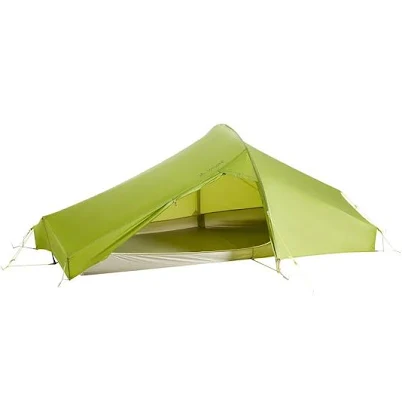
Vaude Lizard Seamless 1-2P Tent
Tent's waterproofing raises PFAS concern; Vaude's silence lowers confidence.
This tent uses polyester with waterproof treatment typical of camping shelters, usually involving fluorinated coatings. Vaude provides no disclosure or certifications.
Still want this one anyway? Check the price on Amazon. We’d swap it.
Material
Polyester fabric with waterproof water-repellent coating (type unspecified)
Brand disclosure
Brand is silent on PFAS
Lab data
No public lab test
What Vaude Lizard Seamless 1-2P Tent is made of, ingredients and materials
The Lizard Seamless uses polyester fabric, a stable synthetic polymer with no inherent toxicity concerns under normal use. The critical component is the waterproof water-repellent coating (water-repellent coating) coating applied to the polyester shell. Vaude does not publicly specify which water-repellent coating chemistry is used on this model, leaving uncertainty about PFAS presence. Polyester itself does not leach under camping conditions, but degradation from UV and physical wear can eventually liberate microfibers.
What’s concerning
Category baseline
The starting point for this type of product, before anything specific to this product is counted.
No PFAS disclosure
No public statement from the brand about PFAS in this product.
Waterproof / stain-resistant treatment
Water-repellent coating treatments have historically used PFAS.
water-repellent coating degradation and water leakage
Polyester water-repellent coating coatings degrade over 3-7 years of use and UV exposure. Once compromised, the tent loses waterproofing and internal moisture accumulation can promote mold growth in stored conditions.
Microfiber shedding from synthetic polyester
Polyester fabric releases microfibers when abraded, laundered, or degraded by UV. In a tent, shedding is minimal during normal camping but increases if the coating is damaged or fabric is torn.
Mold and mildew from moisture retention
If stored damp or in high-humidity environments, polyester can harbor mold growth, especially along seams. This is a maintenance issue rather than a material toxicity issue, but poses respiratory irritant risk.
PFAS
Vaude's refusal to disclose water-repellent coating type leaves PFAS presence unconfirmed. PFC-based water-repellent coating (legacy chemistry) can leach into groundwater and bioaccumulate; fluorine-free alternatives present lower concern for these particular hazards.
Source, ATSDR ↗What’s reassuring
Flame retardants
Polyester fabric meets standard flammability requirements for consumer tents but is not fire-resistant. No flame retardants are documented in camping tents of this type, and the risk is low in normal use away from ignition sources.
Source, EPA ↗The full breakdown
The brand's record and disclosure
Vaude is a German outdoor brand with a reputation for sustainability messaging, but it does not maintain transparent public documentation of water-repellent coating chemistry across its tent lineup. The company has not published third-party test results or certifications (such as OEKO-TEX or bluesign) for this specific model. No recalls or chemical safety controversies are established for Vaude tents in public records. The silence on water-repellent coating composition is the primary disclosure gap.
How it compares in its category
Most backpacking tents in this price and weight class use either legacy PFC-based water-repellent coating or newer alternatives like fluorine-free polyurethane coatings. Vaude's lack of transparency is below the standard set by brands like Big Agnes, which explicitly label PFAS-free models, or Hilleberg, which publishes material specs. The 1-2 person ultralight category increasingly includes PFAS-free certified options, making Vaude's ambiguity a competitive weakness rather than a category norm.
If you buy it
Store the tent dry and well-ventilated indoors; do not leave it wet or packed for extended periods, as moisture and heat accelerate coating breakdown and microbial growth. Avoid high-heat drying (above 60°C / 140°F) if cleaning is needed. Inspect seams and coating annually for cracks, delamination, or peeling; replace the tent if coating integrity is visibly compromised. Do not machine wash or use harsh detergents that strip the water-repellent coating layer.
What we don’t know
- Basis
- Model estimate, 45% confidence, not a lab result
- Lab test
- None on record for this exact product
- Brand statement
- Vaude has made none
Formulations change between production runs, so check the current label. How we grade.
More camping tents & tarps grades
How we score, every product runs through the same public 0-100 rubric based on materials, coatings, brand disclosure, lab findings, and recalls. See the full methodology → Spotted a mistake? Report an error.