VEVOR Water Filter Pitcher, 6 Cup Glass Water Filter Dispenser, Fast & Compact Fridge friendly Water Filtration System,
Glass pitcher is lower concern; filter cartridge details unknown.
Glass water pitcher has lower PFAS concern. Filter cartridge composition not disclosed; typical activated carbon filters have minimal PFAS risk but specifics unclear.
We flunk more products than we pass. This one earned its grade. How we grade
Material
glass pitcher, activated carbon filter cartridge
Brand disclosure
Brand is silent on PFAS
Lab data
No public lab test
You may also be interested in
Top-graded picks in the categories readers replace first, every one scored on the same rubric.

- polypropylene filter housing, carbon/sediment cartridge
- We found no PFAS statement from the brand
- Bacterial growth in spent cartridges
3 hazards checked on this product, all on its full breakdown.

Aquasure
Premier Series 75 GPD Under Sink Reverse Osmosis Water Filtration System
- RO membrane, carbon filters, stainless steel housing
- We found no PFAS statement from the brand
- Bacterial and microbial growth in housing and filters
4 hazards checked on this product, all on its full breakdown.

Avocado
Vegan Mattress
- organic cotton, natural latex, coconut coir, recycled steel coils
- The brand calls it PFAS-free, which we have not verified
- Heavy metals
2 hazards checked on this product, all on its full breakdown.
What VEVOR Water Filter Pitcher, 6 Cup System, is made of, ingredients and materials
The pitcher itself is borosilicate or soda-lime glass, which is chemically inert and does not leach into water under normal use. The activated carbon filter cartridge is the functional component but VEVOR does not publicly disclose its full composition, binder materials, or whether it includes silver antimicrobial compounds. Glass pitchers pose no known material toxicity concern, but filter performance and safety depend entirely on cartridge design and maintenance.
What’s concerning
No PFAS disclosure
No public statement from the brand about PFAS in this product.
Bacterial colonization in filter cartridge
Activated carbon filters can support biofilm and bacterial growth if not replaced regularly or if water stands in the pitcher for extended periods. VEVOR does not prominently specify maintenance intervals or microbial testing standards for its cartridges.
Filter cartridge composition and durability
Binder materials (resin, plastic polymer) and activated carbon source for VEVOR cartridges are not disclosed. Risk of microparticulate carbon shedding into water over time is unknown but plausible in lower-cost filters without detailed manufacturing specs.
Activated carbon filter efficacy and contaminant removal verification
VEVOR does not publish third-party testing results (NSF, WQA certification) for specific contaminant removal claims. Filter performance for chlorine, taste, odor, or particulates cannot be independently verified from company documentation.
What’s reassuring
Base material not linked to PFAS
The main material recorded for this product is not one associated with PFAS.
Glass pitcher structural integrity over time
Borosilicate or soda-lime glass is chemically stable and does not leach ions or compounds into water. Thermal shock from rapid temperature change or impact can cause breakage but poses no toxicological hazard.
Housing or sealing material leachables
The pitcher's lid and seals are typically rubber or silicone; VEVOR does not specify polymer type or whether food-contact materials meet FDA or NSF standards. No contamination or degradation is on record, but composition details are absent.
How is this PFAS grade calculated?
The brand's record and disclosure
VEVOR is a commodity equipment supplier with no established track record of proactive chemical disclosure or third-party certification for water filters. The company does not publicly commit to any safety standard for filter cartridges, and product specification sheets typically lack detail on activated carbon sourcing, binding agents, or testing for bacterial colonization risk. No major recalls or safety actions specific to this model are on record.
How it compares in its category
Gravity-fed pitcher filters with glass bodies are among the lower-risk formats because glass does not degrade or leach. However, most competitors in this price tier (e.g., Brita, PUR, ZeroWater) publish filter replacement schedules and bacterial growth protocols. VEVOR's documentation is sparse; replacement intervals and maintenance instructions are often vague, increasing reliance on user judgment.
If you buy it
Replace the filter cartridge every 2-3 months or after 40 gallons of use, whichever comes first; follow VEVOR's stated replacement cycle exactly. Do not leave standing water in the pitcher for more than 48 hours between uses; stagnant water in filters promotes bacterial growth regardless of carbon quality. Store in a cool, dark place away from direct sunlight. Never use hot water; filtered water is meant for cold or room-temperature consumption only.
What is not known about PFAS in this product?
- Basis
- Model estimate, 72% confidence, not a lab result
- Lab test
- None on record for this exact product
- Brand statement
- VEVOR has made none
Formulations change between production runs, so check the current label. How we grade.
What are the PFAS-free alternatives to VEVOR Water Filter Pitcher, 6 Cup Glass Water Filter Dispenser, Fast & Compact Fridge friendly Water Filtration System,?
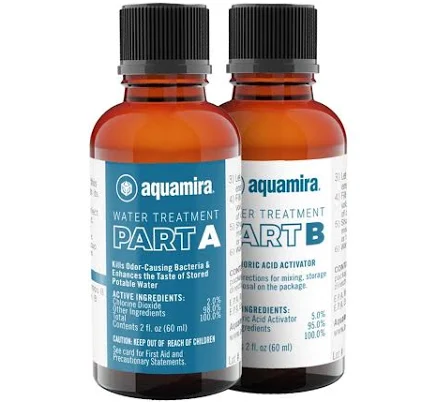
- glass bottles, sodium dichloroisocyanurate treatment chemical
- We found no PFAS statement from the brand
- Chemical overdose or misuse
5 hazards checked on this product, all on its full breakdown.
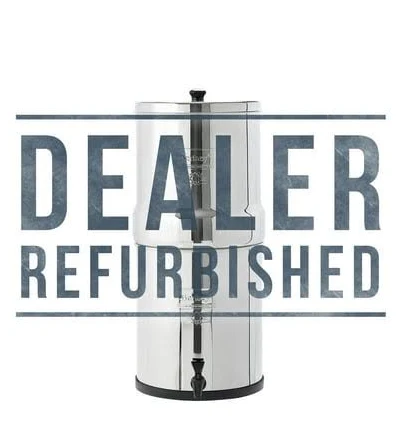
- Stainless steel housing and spigot
- We found no PFAS statement from the brand
- Bacterial growth and biofilm if filters not replaced
5 hazards checked on this product, all on its full breakdown.
- Borosilicate glass pitcher, replaceable activated-carbon filter cartridge
- Bacterial growth in filter cartridge if unmaintained
5 hazards checked on this product, all on its full breakdown.
More water filters grades
How we score, every product runs through the same public 0-100 rubric based on materials, coatings, brand disclosure, lab findings, and recalls. See the full methodology → Spotted a mistake? Report an error.