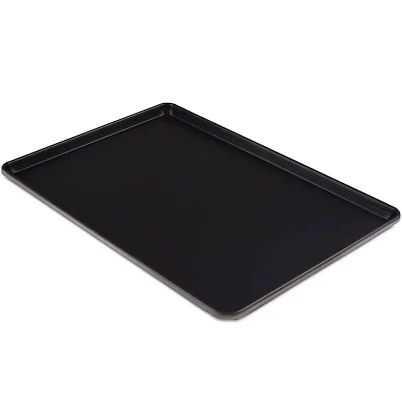
Vollrath Full Size Sheet Pan, Is It Non-Toxic?
Lower concern with plain aluminum and no coating.
This standard aluminum sheet pan has no nonstick coating or surface treatment, eliminating the common pathways where PFAS enters cookware. Bare or anodized aluminum sidesteps that risk.
The better-graded swap

Caraway
Caraway Nonstick Ceramic Large Baking Sheet
90/100 safety
Same rubric that flunked this product. The swap earned Excellent.
Still want this one anyway? Check the price on Amazon. We’d swap it.
Material
Aluminum sheet pan, bare or anodized
Brand disclosure
Brand is silent on PFAS
Lab data
No public lab test
You may also be interested in
Top-graded picks in the categories readers replace first, every one scored on the same rubric.

- polypropylene filter housing, carbon/sediment cartridge
- We found no PFAS statement from the brand
- Bacterial growth in spent cartridges
3 hazards checked on this product, all on its full breakdown.

Aquasure
Premier Series 75 GPD Under Sink Reverse Osmosis Water Filtration System
- RO membrane, carbon filters, stainless steel housing
- We found no PFAS statement from the brand
- Bacterial and microbial growth in housing and filters
4 hazards checked on this product, all on its full breakdown.

Avocado
Vegan Mattress
- organic cotton, natural latex, coconut coir, recycled steel coils
- The brand calls it PFAS-free, which we have not verified
- Heavy metals
2 hazards checked on this product, all on its full breakdown.
Is Vollrath Full Size Sheet Pan non-toxic? What it is made of
Vollrath full-size sheet pans are manufactured from commercial-grade aluminum, typically either bare mill finish or hard-anodized. Anodizing creates a protective oxide layer that reduces direct aluminum contact with food and acidic ingredients. Bare aluminum can leach small amounts of aluminum into acidic or salt-heavy foods over time, though the quantity is at lower concern levels for occasional use according to FDA standards. Anodized versions present lower concern for frequent use.
What’s concerning
Category baseline
The starting point for this type of product, before anything specific to this product is counted.
No PFAS disclosure
No public statement from the brand about PFAS in this product.
Aluminum leaching
Bare aluminum pans can leach trace aluminum into acidic or high-sodium foods during cooking. FDA identifies lower concern at typical exposure levels with bare aluminum, and anodized versions reduce aluminum leaching concern further for frequent use.
Coating degradation and bare metal exposure
If purchasing anodized Vollrath pans, physical damage to the oxide layer from steel wool, abrasion, or high-impact washing can expose bare aluminum underneath and accelerate leaching.
Bacterial biofilm or residue entrapment
Anodized surfaces are microporous and can retain bacteria or food particles if not thoroughly cleaned and dried after use. Proper hand-washing and air-drying are essential to prevent cross-contamination, especially in high-use kitchens.
What’s reassuring
Base material not linked to PFAS
The main material recorded for this product is not one associated with PFAS.
Non-stick coating hazards (if any)
Standard Vollrath full-size sheet pans do not carry non-stick coatings. Products described as bare or anodized pose no Teflon-type coating fume risk or related degradation hazards associated with cookware non-stick surfaces.
Lead
Vollrath sheet pans are not enameled or glazed; they are either bare mill aluminum or anodized. No lead or cadmium hazard applies to this product category.
Source, ATSDR ↗How is this PFAS grade calculated?
The brand's record and disclosure
Vollrath is a Wisconsin-based commercial kitchenware manufacturer with no public record of material safety recalls or lawsuits related to its aluminum bakeware. The company does not publish detailed chemical disclosure statements for individual products, and there is no evidence of PFOA or other persistent fluorinated chemical coatings on their sheet pans. Vollrath maintains NSF International certification for many product lines, indicating compliance with food contact safety standards, though certification details vary by specific SKU.
How it compares in its category
Aluminum sheet pans dominate commercial and home baking because of durability and heat conductivity. Vollrath's anodized versions sit at a mid-to-premium price point compared to bare aluminum alternatives and show lower concern than some budget-priced coated pans that may contain unknown proprietary non-stick coatings. Ceramic and steel alternatives avoid aluminum leaching altogether but are heavier and heat less evenly. For the aluminum sheet pan category, Vollrath's lack of a coating makes it lower-risk than brands claiming non-stick without transparent ingredient disclosure.
If you buy it
Verify whether you are purchasing anodized or bare aluminum; anodized is preferred for acidic foods and daily use. Hand-wash rather than dishwasher to preserve the anodized layer, and avoid steel wool or harsh abrasives that can damage it. Do not use bare aluminum for prolonged storage of acidic foods like tomato sauce or citrus; transfer to glass after cooking. Replace the pan if anodizing visibly flakes or bare aluminum becomes exposed, as this increases leaching risk.
What is not known about PFAS in this product?
- Basis
- Model estimate, 78% confidence, not a lab result
- Lab test
- None on record for this exact product
- Brand statement
- Vollrath has made none
Formulations change between production runs, so check the current label. How we grade.
What are the PFAS-free alternatives to Vollrath Full Size Sheet Pan?
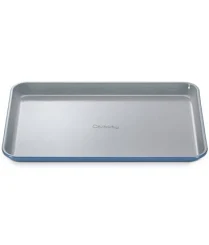
- ceramic nonstick coating
- A third party reports verifying it as PFAS-free
- Ceramic coating degradation over time
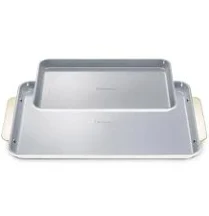
- ceramic nonstick coating
- A third party reports verifying it as PFAS-free
- Coating degradation and durability
2 hazards checked on this product, all on its full breakdown.
- ceramic nonstick coating
- The brand calls it PFAS-free, which we have not verified
- Ceramic coating degradation and particle shedding
3 hazards checked on this product, all on its full breakdown.
More bakeware grades
How we score, every product runs through the same public 0-100 rubric based on materials, coatings, brand disclosure, lab findings, and recalls. See the full methodology → Spotted a mistake? Report an error.