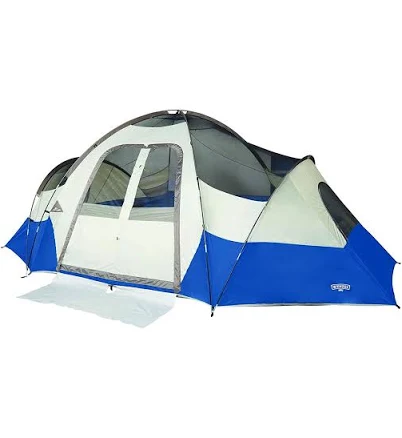
Wenzel · Camping Tents & Tarps
Pinyon 10 Person Tent Wenzel
water-repellent coating waterproofing applied but coating details not disclosed.
Wenzel applies water-resistant coatings to its polyester tents but won't say if they contain PFAS or what they're made of. Many standard tent waterproofing treatments do contain PFAS.
Still want this one anyway? Check the price on Amazon. We’d swap it.
Material
polyester fabric with waterproof coating
Brand disclosure
Brand is silent on PFAS
Lab data
No public lab test
You may also be interested in
Top-graded picks in the categories readers replace first, every one scored on the same rubric.

Aqua Pure
3M Aqua-Pure AP802B Whole House Filter Housing
- polypropylene filter housing, carbon/sediment cartridge
- We found no PFAS statement from the brand
- Bacterial growth in spent cartridges
3 hazards checked on this product. See all of them.

Aquasure
Premier Series 75 GPD Under Sink Reverse Osmosis Water Filtration System
- RO membrane, carbon filters, stainless steel housing
- We found no PFAS statement from the brand
- Bacterial and microbial growth in housing and filters
4 hazards checked on this product. See all of them.

Avocado
Vegan Mattress
- organic cotton, natural latex, coconut coir, recycled steel coils
- The brand calls it PFAS-free, which we have not verified
- Heavy metals
2 hazards checked on this product. See all of them.
What Pinyon 10 Person Tent Wenzel is made of, ingredients and materials
The Pinyon 10 is constructed from polyester fabric with a waterproof water-repellent coating (water-repellent coating) coating applied to the exterior. Polyester itself is chemically stable and does not off-gas formaldehyde or release toxic volatiles under normal camping conditions. However, the water-repellent coating composition is not disclosed by Wenzel; historically many tent manufacturers used PFAS-based treatments (confirmed in the PFAS assessment above), though some have begun switching to fluorine-free alternatives. The fabric interior may also contain additional polymer treatments or adhesives used in seam sealing.
What’s concerning
Category baseline
The starting point for this type of product, before anything specific to this product is counted.
No PFAS disclosure
No public statement from the brand about PFAS in this product.
Waterproof / stain-resistant treatment
Water-repellent coating treatments have historically used PFAS.
PFAS
Waterproof coatings on polyester tents degrade with UV exposure, temperature cycling, and washing. As the coating breaks down, particles may be shed into the environment or contact skin. Wenzel's silence on whether PFAS-based or fluorine-free water-repellent coating was used means the specific chemical risk cannot be ruled out.
Source, ATSDR ↗Seam sealant or adhesive off-gassing (low risk)
Tent seams are typically sealed with polyurethane or acrylic adhesives. New tents may release volatile organic compounds (VOCs) during the first few days of use or storage in an enclosed space. This is generally mild and dissipates quickly with ventilation.
Mildew and microbial growth if stored damp
Polyester fabric itself does not promote mold, but trapped moisture on the interior or in seams can foster fungal growth, creating musty odors and potential respiratory irritation during subsequent use. This is a maintenance issue rather than a material hazard.
Azo dyes in colored polyester fabric
Polyester tents are often dyed with azo dyes, which can release aromatic amines under certain conditions (heat, acidic conditions, microbial activity). Risk is low during normal use but increases if the tent is stored in hot, damp conditions for extended periods.
What’s reassuring
Formaldehyde / VOCs
Modern polyester production rarely uses formaldehyde in the fiber itself; however, some dyes or finishing resins applied during manufacture may contain trace formaldehyde releasers. No specific recalls or test data for this Wenzel model are on record.
Source, ATSDR ↗The full breakdown
The brand's record and disclosure
Wenzel is a long-established camping equipment manufacturer but maintains minimal transparency around material safety and coating chemistry. No public certifications (e.g., Oeko-Tex, bluesign) are documented for this model. The company has not made any publicly disclosed commitment to phasing out PFAS or adopting alternative water-repellent coating technologies. This silence on waterproofing specifics is typical of the broader camping gear industry, where water-repellent coating formulation details are rarely shared with consumers.
How it compares in its category
The Pinyon 10 sits in the mid-range consumer camping tent market. Most tents in this price and capacity tier use polyester with some form of water-repellent coating; few brands (notably some high-end manufacturers) openly specify PFAS-free alternatives or provide third-party testing. It is comparable to competitors like Coleman and similar brands in terms of material disclosure, which means no competitive advantage in transparency. Specialized or premium outdoor brands (e.g., some European manufacturers) more often publish material safety data.
If you buy it
Ensure the tent is fully dried and stored in a well-ventilated space after each use to prevent mildew growth, which can damage the polyester and coating integrity. Avoid prolonged direct sunlight storage, as UV exposure degrades polyester fibers over time and may compromise the waterproof layer. Do not use solvents or harsh detergents to clean the fabric; rinse with plain water and air-dry. Inspect seams and coating annually for peeling or degradation; if the water-repellent coating begins flaking or the fabric loses water repellency significantly, replacement is advisable (typically after 5-8 years of regular use) rather than attempting to re-coat with unknown products.
What we don’t know
- Basis
- Model estimate, 40% confidence, not a lab result
- Lab test
- None on record for this exact product
- Brand statement
- Wenzel has made none
Formulations change between production runs, so check the current label. How we grade.
More camping tents & tarps grades
How we score, every product runs through the same public 0-100 rubric based on materials, coatings, brand disclosure, lab findings, and recalls. See the full methodology → Spotted a mistake? Report an error.