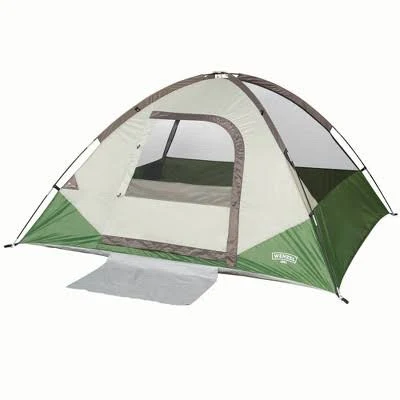
Wenzel · Camping Tents & Tarps
Wenzel Jack Pine 4 Person Dome Tent
Waterproof coating unspecified. water-repellent coating treatment likely but unknown.
Wenzel gives no PFAS details on this dome tent's water-repellent coating. Tent waterproofing often contains legacy or newer PFAS chemicals, but specifics remain unknown here.
Still want this one anyway? Check the price on Amazon. We’d swap it.
Material
polyester dome with water-repellent coating-coated fabric, unspecified treatment
Brand disclosure
Brand is silent on PFAS
Lab data
No public lab test
You may also be interested in
Top-graded picks in the categories readers replace first, every one scored on the same rubric.

Aqua Pure
3M Aqua-Pure AP802B Whole House Filter Housing
- polypropylene filter housing, carbon/sediment cartridge
- We found no PFAS statement from the brand
- Bacterial growth in spent cartridges
3 hazards checked on this product. See all of them.

Aquasure
Premier Series 75 GPD Under Sink Reverse Osmosis Water Filtration System
- RO membrane, carbon filters, stainless steel housing
- We found no PFAS statement from the brand
- Bacterial and microbial growth in housing and filters
4 hazards checked on this product. See all of them.

Avocado
Vegan Mattress
- organic cotton, natural latex, coconut coir, recycled steel coils
- The brand calls it PFAS-free, which we have not verified
- Heavy metals
2 hazards checked on this product. See all of them.
What Wenzel Jack Pine 4 Person Dome Tent is made of, ingredients and materials
The Jack Pine is constructed from polyester fabric with a water-repellent coating (water-repellent coating) coating applied to the exterior. Polyester itself is a stable synthetic polymer with no established leaching concerns under normal use. The water-repellent coating treatment is the material variable, most outdoor tent coatings historically relied on fluorochemical compounds (PFAS-based), though some manufacturers have shifted to non-fluorinated alternatives. Wenzel does not publicly disclose the specific water-repellent coating chemistry for this model, leaving the fluorochemical content unknown.
What’s concerning
Category baseline
The starting point for this type of product, before anything specific to this product is counted.
No PFAS disclosure
No public statement from the brand about PFAS in this product.
Waterproof / stain-resistant treatment
Water-repellent coating treatments have historically used PFAS.
PFAS
Wenzel does not disclose whether the coating uses legacy PFAS (PFOA/PFOS) or newer alternatives. Most budget-range tents of this era likely contain fluorochemical water-repellent coating; confirmation requires direct manufacturer contact. Risk is primarily contact during handling and setup, not ingestion or inhalation under normal use.
Source, ATSDR ↗Coating degradation and microplastic shedding
Water-repellent coating coatings on polyester tents shed and degrade over time, particularly under UV exposure and mechanical abrasion from packing and setup. This can release coating particles and microfibers, though inhalation risk indoors is minimal. Degradation is expected maintenance cycle, not a defect.
What’s reassuring
Formaldehyde / VOCs
No recalls or warnings document formaldehyde-based finishing resins in Wenzel tent fabric. Polyester manufacturing typically does not require formaldehyde cross-linking as heavily as cotton textiles, making this a lower concern than in apparel.
Source, ATSDR ↗Azo dyes and colorfast leaching
The Jack Pine's dark polyester exterior has no reported issues with dye migration or leaching into water or skin. Polyester dyes are generally more stable under weathering than natural fiber dyes, though no specific dye testing for this product is on record.
Flame retardants
No documentation of added flame retardants in Wenzel Jack Pine polyester or tape. U.S. camping tents are not subject to flammability standards equivalent to sleepwear, so intentional flame retardant use is uncommon in this category.
Source, EPA ↗The full breakdown
The brand's record and disclosure
Wenzel is a long-established U.S. camping brand (owned by Coleman) with no documented safety recalls specific to chemical hazards in tent fabric. The brand has not published material transparency statements or certifications (BLUESIGN, GOTS, or similar) that would indicate commitment to controlled-chemistry manufacturing. No public stance on PFAS phase-out has been recorded, and technical specifications for this product do not itemize coating composition or certifications.
How it compares in its category
Budget to mid-range dome tents from established brands typically use polyester with fluorochemical water-repellent coating coatings; this is industry standard. Some premium and eco-focused competitors (e.g., REI Co-op, Big Agnes) have begun disclosing non-fluorinated water-repellent coating alternatives or pursuing third-party certifications. The Jack Pine occupies the mainstream price point where water-repellent coating chemistry is rarely disclosed, making it typical rather than exceptional in transparency within its category.
If you buy it
Store the tent dry and well-ventilated to prevent mold growth under the polyester shell; moisture trapped between layers can degrade the water-repellent coating and promote material degradation over time. Avoid prolonged direct sunlight exposure, which degrades polyester fibers and may accelerate coating breakdown. Rinse with fresh water after saltwater or heavily polluted environments to prevent salt and sediment from weakening seams and coating. Plan to recoat or replace the tent after 5-10 years of regular use, as water-repellent coating treatments are temporary and not permanent to the material.
What we don’t know
- Basis
- Model estimate, 35% confidence, not a lab result
- Lab test
- None on record for this exact product
- Brand statement
- Wenzel has made none
Formulations change between production runs, so check the current label. How we grade.
More camping tents & tarps grades
How we score, every product runs through the same public 0-100 rubric based on materials, coatings, brand disclosure, lab findings, and recalls. See the full methodology → Spotted a mistake? Report an error.