Wenzel · Camping Tents & Tarps
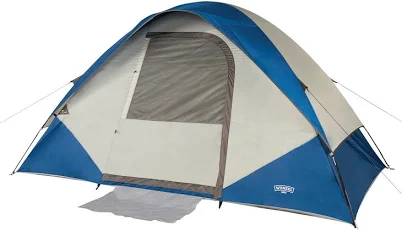
Wenzel Tamarack 6 Person Dome Tent
Get water-repellent coating treatment details from Wenzel before purchasing.
Wenzel hasn't disclosed whether the Tamarack uses PFAS-based water-repellent coating. Standard dome tent waterproofing frequently relies on fluorochemicals you should verify before buying.
Still want this one anyway? Check the price on Amazon. We’d swap it.
Material
polyester fabric with water-repellent coating, composition unspecified
Brand disclosure
Brand is silent on PFAS
Lab data
No public lab test
You may also be interested in
Top-graded picks in the categories readers replace first, every one scored on the same rubric.

Aqua Pure
3M Aqua-Pure AP802B Whole House Filter Housing
- polypropylene filter housing, carbon/sediment cartridge
- We found no PFAS statement from the brand
- Bacterial growth in spent cartridges
3 hazards checked on this product. See all of them.

Aquasure
Premier Series 75 GPD Under Sink Reverse Osmosis Water Filtration System
- RO membrane, carbon filters, stainless steel housing
- We found no PFAS statement from the brand
- Bacterial and microbial growth in housing and filters
4 hazards checked on this product. See all of them.

Avocado
Vegan Mattress
- organic cotton, natural latex, coconut coir, recycled steel coils
- The brand calls it PFAS-free, which we have not verified
- Heavy metals
2 hazards checked on this product. See all of them.
What Wenzel Tamarack 6 Person Dome Tent is made of, ingredients and materials
The Tamarack 6 uses polyester fabric with a water-repellent coating (water-repellent coating) coating applied to the outer shell. Polyester itself is stable and does not leach chemicals under normal camping conditions. However, the water-repellent coating composition is the critical unknown, if fluorine-based (PFOA/PFOS-class PFAS), it poses bioaccumulation risk; if non-fluorine based, the hazard profile is significantly lower. Wenzel does not publicly disclose which chemistry is used, making this the primary safety question.
What’s concerning
Category baseline
The starting point for this type of product, before anything specific to this product is counted.
No PFAS disclosure
No public statement from the brand about PFAS in this product.
Waterproof / stain-resistant treatment
Water-repellent coating treatments have historically used PFAS.
PFAS
Standard polyester water-repellent coating coatings historically use PFOA or PFOS analogs for water resistance. Wenzel has not disclosed whether the Tamarack uses fluorinated chemistry. If fluorine-based, the coating poses bioaccumulation risk in washing and eventual disposal, though skin exposure during use is minimal.
Source, ATSDR ↗Polyester microfiber shedding
Polyester fabric can release fibers during abrasion, weathering, or repeated packing. Shed microfibers may persist in soil and water if tent is washed or degrades in landfill. This is a low-level concern during normal camping but increases with tent age and wear.
water-repellent coating degradation and off-gassing
As the water-repellent coating wears (typically 2-5 years of use), UV exposure and thermal stress can cause breakdown. No published data on volatilization from polyester tents during use, but off-gassing of coating residues during storage or in warm weather cannot be ruled out.
Mold and bacterial growth in stored polyester
Polyester itself does not promote mold, but damp storage or residual moisture creates environment for fungal and bacterial colonization. A moldy tent poses respiratory irritation risk during use. Proper air-drying and dry storage are essential maintenance steps.
What’s reassuring
Heavy metals
No recalls or test data on record for heavy metal contamination in Wenzel polyester tent fabrics. Azo dye hazards are established in textiles generally, but polyester camping fabrics are rarely tested for this. Risk is assumed low under normal use but unverified.
Source, FDA ↗The full breakdown
The brand's record and disclosure
Wenzel, a Coleman subsidiary, does not maintain publicly available material safety documentation or environmental disclosures specific to tent coatings. No major product recalls related to chemical hazards are on record for this tent model. The brand has not committed to PFAS phase-out or published third-party certifications (Oeko-Tex, GOTS, etc.). This silence on coating chemistry is not uncommon in the budget camping sector but represents a transparency gap.
How it compares in its category
Budget dome tents typically use polyester with unspecified water-repellent coating coatings; the Tamarack is standard for this price tier. Premium alternatives from brands like Big Agnes and MSR often provide coating transparency or market non-PFAS water-repellent coating treatments. Some specialist brands now use wax-based or silicone-based water repellency instead of fluorinated chemistry. The Tamarack's main weakness is lack of disclosure rather than inherent material choice.
If you buy it
Contact Wenzel customer service directly to request the water-repellent coating specification before purchase. Store the tent dry to avoid mold growth in polyester (wash annually if muddy, air-dry fully before storage). Do not expose to direct high heat or flame; polyester melts above 150C but normal camping use poses no thermal risk. Replace the tent if the water-repellent coating visibly degrades (water beading failure) or develops persistent odor, which may indicate coating breakdown or mold colonization.
What we don’t know
- Basis
- Model estimate, 35% confidence, not a lab result
- Lab test
- None on record for this exact product
- Brand statement
- Wenzel has made none
Formulations change between production runs, so check the current label. How we grade.
More camping tents & tarps grades
How we score, every product runs through the same public 0-100 rubric based on materials, coatings, brand disclosure, lab findings, and recalls. See the full methodology → Spotted a mistake? Report an error.