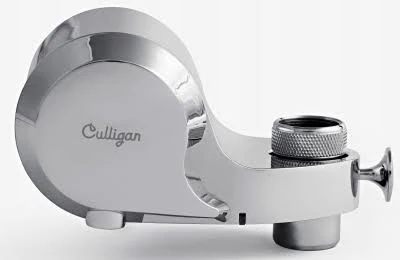
ZeroWater ExtremeLife Faucet Mount Water Filtration System
Low risk filter material itself; no PFAS claims or disclosures found.
These faucet-mount systems use activated carbon and ion-exchange resin with lower inherent PFAS risk versus Teflon-family coating coatings. The brand makes no PFAS claims or third-party certifications. Cartridge PFAS content or removal capability remains undisclosed.
We flunk more products than we pass. This one earned its grade. How we grade
Material
activated carbon filter media, plastic housing
Lab data
No public lab test
You may also be interested in
Top-graded picks in the categories readers replace first, every one scored on the same rubric.

Aqua Pure
3M Aqua-Pure AP802B Whole House Filter Housing
- polypropylene filter housing, carbon/sediment cartridge
- We found no PFAS statement from the brand
- Bacterial growth in spent cartridges
3 hazards checked on this product. See all of them.

Aquasure
Premier Series 75 GPD Under Sink Reverse Osmosis Water Filtration System
- RO membrane, carbon filters, stainless steel housing
- We found no PFAS statement from the brand
- Bacterial and microbial growth in housing and filters
4 hazards checked on this product. See all of them.

Avocado
Vegan Mattress
- organic cotton, natural latex, coconut coir, recycled steel coils
- The brand calls it PFAS-free, which we have not verified
- Heavy metals
2 hazards checked on this product. See all of them.
What ZeroWater ExtremeLife Faucet Mount Water is made of, ingredients and materials
The ExtremeLife uses activated carbon filter media (the primary contaminant-removal agent) housed in plastic casing. Activated carbon is inert and does not leach hazardous compounds into water under normal use. The plastic housing is the only material of concern, but faucet-mount filters operate at low pressure and room temperature, conditions that minimize leaching of plasticizers like BPA or phthalates from the housing itself.
What’s concerning
No PFAS disclosure
No public statement from the brand about PFAS in this product.
Bacterial growth in filter cartridge
All activated carbon filters can harbor bacterial biofilm if cartridges are not replaced on schedule or if the system is idle for extended periods. ZeroWater does not disclose antimicrobial treatment of its cartridges; regular replacement and flushing are the primary controls.
Activated carbon dust or particulate carryover
New or newly installed cartridges may release fine black particles into water initially. This is cosmetic and typically harmless, but flushing before first use and after cartridge changes reduces visual concern and any minor dust inhalation if aerosol is released during replacement.
Cartridge fit and seal degradation
Over time, the plastic threads or seals connecting the cartridge to the faucet mount may wear or crack, potentially bypassing filtration or causing leaks. No widespread design failure is on record, but proper installation and inspection at replacement intervals reduce this risk.
Limited contaminant scope claims
ZeroWater's marketing emphasizes TDS removal but does not claim reduction of lead, arsenic, or microbial pathogens. Consumers may overestimate the filter's protective range; independent water testing is needed if contaminants beyond general hardness are suspected.
What’s reassuring
Base material not linked to PFAS
The main material recorded for this product is not one associated with PFAS.
BPA & bisphenols
No reports of BPA or phthalate leaching from ZeroWater faucet-mount housings have been established. The low operating temperature and pressure of this design limit leaching risk compared to hot-water dispensers or under-sink systems.
Source, FDA ↗The full breakdown
The brand's record and disclosure
ZeroWater markets heavily on TDS (total dissolved solids) reduction and does not make explicit PFAS-removal claims for this faucet-mount model. The brand has been largely silent on PFAS in public disclosures for this product line. No significant recalls or safety controversies have been established for this faucet-mount system in available records.
How it compares in its category
Faucet-mount filters are a lower-complexity category than pitcher or under-sink systems. The ExtremeLife's main advantage is convenience; the trade-off is shorter cartridge lifespan and no certification (NSF or WQA) visible in public materials, unlike some competing faucet-mount models. Performance claims (e.g., contaminant reduction rates) are not independently verified in the available record.
If you buy it
Replace cartridges every 2-3 months or per the manufacturer timeline; delayed replacement increases bacterial colonization risk inside the saturated filter. Avoid exposing the plastic housing to prolonged heat or direct sunlight, which could accelerate minor leaching. Flush the filter for 5-10 seconds after replacement and weekly if the system sits unused for more than a few days. Do not rely on this filter for lead, arsenic, or microbial reduction alone if your water source is untested or contaminated.
What we don’t know
- Basis
- Model estimate, 68% confidence, not a lab result
- Lab test
- None on record for this exact product
- Brand statement
- ZeroWater has made a specific claim
Formulations change between production runs, so check the current label. How we grade.
Better-graded alternatives in Water Filters

Aquamira
Water Storage Treatment 2 oz Glass Bottles 60 gallons Purification
- glass bottles, sodium dichloroisocyanurate treatment chemical
- We found no PFAS statement from the brand
- Chemical overdose or misuse
5 hazards checked on this product. See all of them.

Big Berkey
Empty Housing with NO Filters Included
- Stainless steel housing and spigot
- We found no PFAS statement from the brand
- Bacterial growth and biofilm if filters not replaced
5 hazards checked on this product. See all of them.

LifeStraw
Home Glass Water Filter Pitcher
- Borosilicate glass pitcher, replaceable activated-carbon filter cartridge
- Bacterial growth in filter cartridge if unmaintained
5 hazards checked on this product. See all of them.
More water filters grades
How we score, every product runs through the same public 0-100 rubric based on materials, coatings, brand disclosure, lab findings, and recalls. See the full methodology → Spotted a mistake? Report an error.