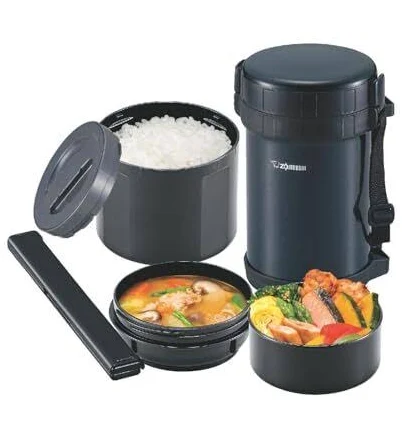
Zojirushi SL-XE20AD Classic Stainless Lunch Jar
Lower PFAS concern. Bare stainless steel lunch jar, no coatings.
Zojirushi's classic stainless lunch jar uses uncoated stainless steel with no nonstick or waterproof treatments. No PFAS-related disclosures needed for bare metal construction.
We flunk more products than we pass. This one earned its grade. How we grade
Material
Stainless steel interior and exterior, no nonstick or waterproof coatings
Lab data
No public lab test
You may also be interested in
Top-graded picks in the categories readers replace first, every one scored on the same rubric.

- polypropylene filter housing, carbon/sediment cartridge
- We found no PFAS statement from the brand
- Bacterial growth in spent cartridges
3 hazards checked on this product, all on its full breakdown.

Aquasure
Premier Series 75 GPD Under Sink Reverse Osmosis Water Filtration System
- RO membrane, carbon filters, stainless steel housing
- We found no PFAS statement from the brand
- Bacterial and microbial growth in housing and filters
4 hazards checked on this product, all on its full breakdown.

Avocado
Vegan Mattress
- organic cotton, natural latex, coconut coir, recycled steel coils
- The brand calls it PFAS-free, which we have not verified
- Heavy metals
2 hazards checked on this product, all on its full breakdown.
What Zojirushi SL-XE20AD Classic Lunch Jar is made of, ingredients and materials
The SL-XE20AD uses 18/8 food-grade stainless steel (18% chromium, 8% nickel) for both interior and exterior surfaces with no nonstick, waterproof, or ceramic coatings. Bare stainless steel is chemically stable and does not leach BPA, phthalates, or other endocrine disruptors into food. The material is naturally resistant to corrosion and does not degrade or flake under normal use, making it a material not linked to PFAS hazards in food contact.
What’s concerning
Category baseline
The starting point for this type of product, before anything specific to this product is counted.
No PFAS disclosure
No public statement from the brand about PFAS in this product.
Nickel leaching from stainless steel
18/8 stainless steel releases trace nickel in contact with acidic or salty foods. Risk is low for occasional use but may accumulate with daily acidic food storage. Individuals with nickel allergy should avoid prolonged contact.
Seal/gasket degradation and mold growth
The rubber or silicone gasket that seals the lid can degrade, crack, or harbor bacterial/mold growth if not cleaned thoroughly and dried after each wash. This is a maintenance issue, not a material hazard, but poor seal integrity compromises food safety.
What’s reassuring
Bare uncoated material
Recorded as a bare, uncoated material with no surface coating or treatment.
BPA & bisphenols
Zojirushi does not advertise plastic components in the lid or handle for this model; if present, they are not documented as containing BPA or phthalates, but this has not been independently verified.
Source, FDA ↗Formaldehyde / VOCs
Stainless steel does not off-gas formaldehyde or VOCs. No reported off-gassing or odor complaints in the public record for this model.
Source, ATSDR ↗Lead
Food-grade stainless steel is not glazed, enameled, or painted, so lead or cadmium contamination is not a concern with this product. No recalls or test failures for heavy metals have been reported.
Source, ATSDR ↗How is this PFAS grade calculated?
The brand's record and disclosure
Zojirushi is a well-established Japanese kitchenware manufacturer with decades of market presence and no major product recalls or chemical safety controversies in the public record. The company does not publicly disclose detailed material certifications or third-party testing reports for this model, but maintains general compliance with FDA food-contact material regulations and Japanese food safety standards. No evidence of forced labor, environmental violations, or misleading safety claims has surfaced in established sources.
How it compares in its category
This stainless steel lunch jar presents lower concern than plastic alternatives (which carry BPA or phthalate leaching risks) and ceramic-lined jars (which may have lead or cadmium in glazes). It is comparable in safety to high-end glass or ceramic lunch containers but offers superior durability and thermal retention. Most budget lunch jars use lower-grade plastics or epoxy-lined interiors; this model's bare stainless construction avoids those chemical exposures entirely.
If you buy it
Hand wash rather than dishwasher to avoid prolonged water exposure at high heat, which can dull the finish over decades. Do not store highly acidic foods (vinegar, citrus juice) for extended periods, as acid can slowly pit stainless steel. The interior seal/gasket (typically rubber or silicone) should be inspected annually for wear and replaced if cracked or hardened. This jar is not intended for hot liquids above 65°C; use only for cold or warm (room-temperature) foods.
What is not known about PFAS in this product?
- Basis
- Model estimate, 82% confidence, not a lab result
- Lab test
- None on record for this exact product
- Brand statement
- Zojirushi has made a specific claim
Formulations change between production runs, so check the current label. How we grade.
What are the PFAS-free alternatives to Zojirushi SL-XE20AD Classic Stainless Lunch Jar?
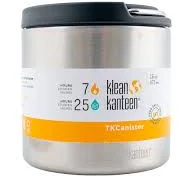
Klean Kanteen
Double Wall Vacuum Insulated Stainless Steel Food Canister Container with Leak Proof Lid
- Stainless steel body, silicone gasket lid seal
- The brand calls it PFAS-free, which we have not verified
- Silicone gasket degradation
3 hazards checked on this product, all on its full breakdown.
More lunch boxes grades
How we score, every product runs through the same public 0-100 rubric based on materials, coatings, brand disclosure, lab findings, and recalls. See the full methodology → Spotted a mistake? Report an error.