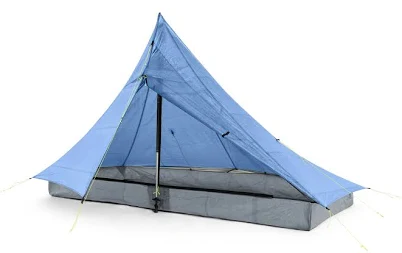
Zpacks · Camping Tents & Tarps
Altaplex Pro Tent
Skip until brand discloses coating chemistry.
This ultralight tent uses Dyneema composite with an undisclosed waterproof finish. The brand withholds information about Teflon-family coating or other chemical treatments.
Still want this one anyway? Check the price on Amazon. We’d swap it.
Material
Dyneema composite fabric (UHMWPE) with unknown waterproof coating
Brand disclosure
Brand is silent on PFAS
Lab data
No public lab test
What Altaplex Pro Tent is made of, ingredients and materials
The Altaplex Pro uses Dyneema composite fabric, which is ultra-high-molecular-weight polyethylene (UHMWPE) bonded to a backing. Dyneema itself is chemically stable and non-toxic under normal use. The risk lies entirely in the waterproof coating applied to this base fabric. Zpacks has not publicly disclosed whether this coating contains PFAS, silicone, polyurethane, or another chemistry, which is the core transparency gap.
What’s concerning
Category baseline
The starting point for this type of product, before anything specific to this product is counted.
No PFAS disclosure
No public statement from the brand about PFAS in this product.
Waterproof / stain-resistant treatment
Water-repellent coating treatments have historically used PFAS.
PFAS
Zpacks has not disclosed coating chemistry. Fluorinated compounds (PFAS) are standard in many durable waterproof coatings and common in ultralight tent manufacturing. Without brand confirmation of non-fluorinated formulation, presence cannot be ruled out.
Source, ATSDR ↗Coating degradation and volatile off-gassing
All polymer coatings degrade under UV and thermal stress. As the Altaplex Pro coating breaks down, it may release volatile organic compounds (VOCs) at low levels. Risk is minimized by proper storage and avoiding heat exposure.
Bacterial or mold growth on fabric
Any tent fabric can support microbial growth if stored wet or in high humidity. Dyneema's low absorbency actually reduces this risk compared to nylon, but the backing and seams remain vulnerable if not dried before storage.
What’s reassuring
Dyneema microfiber shedding
Dyneema composite fabric is bonded and non-woven, making bulk fiber shedding unlikely under normal camping use. No documented cases of microplastic release from this material class in field conditions.
Heavy metals
Zpacks does not publish dye or adhesive chemistry. Dyneema-based fabrics typically use minimal dyes (often none, for weight savings) and industrial-grade adhesives, but no testing or recall history exists for this product.
Source, FDA ↗The full breakdown
The brand's record and disclosure
Zpacks markets ultralight gear and has built reputation on material innovation, but maintains no publicly available environmental or chemical disclosure policy for coatings. No major recalls or contamination incidents are on record for this specific model. The brand's silence on PFAS and coating composition is deliberate non-disclosure rather than evidence of safety, and contrasts with competitors (e.g., Hyperlite, Nemo) who have begun disclosing or phasing toward PFAS-free waterproofing.
How it compares in its category
Most ultralight tents use either silicone-coated nylon (not a material linked to PFAS but heavier), polyurethane-coated fabric (PFAS risk varies by supplier), or proprietary composite coatings like this one. Zpacks' Dyneema base is genuinely lighter and more durable than standard nylon, which is a real advantage. However, on chemical transparency, this product falls behind leading ultralight competitors who now disclose coating chemistry or commit to non-fluorinated alternatives.
If you buy it
Store in a dry location away from direct sunlight to slow coating degradation. Do not heat-dry or expose to sustained temperatures above 60C (140F), as polymer coatings can break down and release volatile compounds. Inspect the coating annually for peeling, cracking, or white residue, which signal failure. If coating damage occurs, repair promptly with matching tape or contact Zpacks; do not rely on a compromised waterproof layer.
What we don’t know
- Basis
- Model estimate, 35% confidence, not a lab result
- Lab test
- None on record for this exact product
- Brand statement
- Zpacks has made none
Formulations change between production runs, so check the current label. How we grade.
More camping tents & tarps grades
How we score, every product runs through the same public 0-100 rubric based on materials, coatings, brand disclosure, lab findings, and recalls. See the full methodology → Spotted a mistake? Report an error.