Zpacks · Camping Tents & Tarps
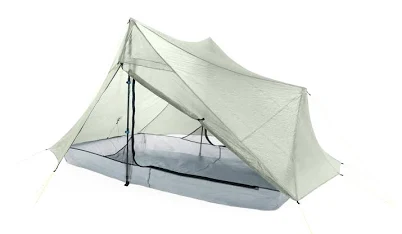
Pivot Duo Tent
Skip until brand clarifies water-repellent coating chemistry.
This backpacking tent has ripstop nylon with water-repellent coating that remains unspecified by the brand. Water repellents are a frequent source of PFAS in outdoor gear.
Still want this one anyway? Check the price on Amazon. We’d swap it.
Material
Ripstop nylon with water-repellent coating (type unspecified)
Brand disclosure
Brand is silent on PFAS
Lab data
No public lab test
What Pivot Duo Tent is made of, ingredients and materials
The Pivot Duo uses ripstop nylon fabric with a water-repellent coating (water-repellent coating) coating. Zpacks has not publicly specified which water-repellent coating chemistry they use (PFAS-based, fluorine-free, or other). Ripstop nylon itself is a stable polymer with low leaching risk under normal camping conditions. The coating type determines the actual safety profile; PFAS-based water-repellent coating coatings have become industry standard but carry accumulation and environmental concerns.
What’s concerning
Category baseline
The starting point for this type of product, before anything specific to this product is counted.
No PFAS disclosure
No public statement from the brand about PFAS in this product.
Waterproof / stain-resistant treatment
Water-repellent coating treatments have historically used PFAS.
PFAS
Zpacks has not disclosed water-repellent coating chemistry. Most ripstop nylon tents use PFAS-based water-repellent coating for durability; fluorine-free alternatives exist but are not confirmed here. water-repellent coating coatings are a known vector for PFAS accumulation in the body over extended use and breakdown.
Source, ATSDR ↗Coating degradation and microfiber release
Water-repellent coating coatings on nylon degrade with age, UV exposure, and washing. Shed microfibers from degraded coating are not confirmed as a health hazard in tents specifically, but represent potential inhalation or ingestion risk in confined shelter environments.
Mold and microbial growth
Nylon fabric retains moisture and is prone to mold and mildew if stored damp. Extended exposure in poorly ventilated shelters may increase respiratory irritant risk, particularly for users with asthma or allergies.
What’s reassuring
Off-gassing from synthetic polymers and coatings
Ripstop nylon and water-repellent coating coatings may emit low levels of volatile organic compounds (VOCs) when new, particularly in warm conditions. No published reports link Zpacks tents to significant off-gassing; typical airing-out overnight before first use minimizes any issue.
Heavy metals
Ripstop nylon is typically dyed with azo or reactive dyes; no heavy metal contamination (lead, cadmium, antimony) has been reported in Zpacks products. Industry standards for colorfast outdoor fabrics are generally adequate.
Source, FDA ↗The full breakdown
The brand's record and disclosure
Zpacks is known for lightweight ultralight backpacking gear but has not issued public statements about water-repellent coating chemistry or PFAS-free certifications. No recalls or safety controversies are on record for this specific tent model. The brand's silence on coating composition is typical for small outdoor manufacturers but leaves end-users unable to assess PFAS exposure. Lack of transparency does not confirm PFAS presence, but it prevents informed choice.
How it compares in its category
Ultralight nylon tents dominate the Zpacks market segment and nearly all use water-repellent coating coatings of undisclosed chemistry. Direct competitors (Big Agnes, Hyperlite) similarly do not routinely publish water-repellent coating specifications. Some premium brands (e.g., Patagonia, some European makers) have begun offering fluorine-free water-repellent coating options, but these remain niche. The Pivot Duo is representative of the category; its hazard profile is shared across most ultralight tents under 1 kg.
If you buy it
Store the tent dry and well-ventilated to prevent mold and microbial growth, which pose respiratory risk in confined shelters. Do not expose the tent to prolonged direct heat or flame, as water-repellent coating coatings may degrade or off-gas. Wash gently by hand with cool water and mild soap; avoid high-heat drying or machine laundering, which accelerates coating breakdown and potential microfiber shedding. Inspect seams and coating annually; loss of water beading signals degradation and need for re-treatment or replacement.
What we don’t know
- Basis
- Model estimate, 42% confidence, not a lab result
- Lab test
- None on record for this exact product
- Brand statement
- Zpacks has made none
Formulations change between production runs, so check the current label. How we grade.
More camping tents & tarps grades
How we score, every product runs through the same public 0-100 rubric based on materials, coatings, brand disclosure, lab findings, and recalls. See the full methodology → Spotted a mistake? Report an error.