Zpacks · Camping Tents & Tarps
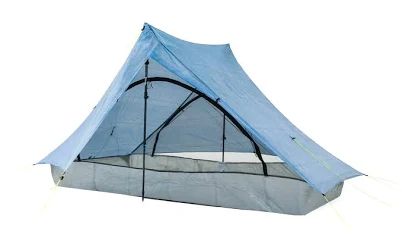
Zpacks Duplex Lite Tent
Ultralight tent with unknown water-repellent coating and low transparency.
Zpacks doesn't disclose the waterproof coating composition on the Duplex Lite tent. Ultralight tents typically use water-repellent coating treatments that may contain PFAS, with no confirmation either way.
Still want this one anyway? Check the price on Amazon. We’d swap it.
Material
Proprietary DCF (Dyneema composite fabric) with unspecified waterproof coating
Brand disclosure
Brand is silent on PFAS
Lab data
No public lab test
What Zpacks Duplex Lite Tent is made of, ingredients and materials
The Zpacks Duplex Lite uses proprietary DCF (Dyneema composite fabric), a high-performance polyethylene-based material laminated with a polyester scrim. DCF itself is chemically stable and does not off-gas formaldehyde or release volatile organic compounds under normal use. The critical unknown is the waterproof coating applied to the fabric, Zpacks does not publicly specify whether it uses fluorocarbon-based (PFAS) water-repellent coating (water-repellent coating), polyurethane, or another chemistry. This opacity is the primary safety concern for this product.
What’s concerning
Category baseline
The starting point for this type of product, before anything specific to this product is counted.
No PFAS disclosure
No public statement from the brand about PFAS in this product.
Waterproof / stain-resistant treatment
Water-repellent coating treatments have historically used PFAS.
water-repellent coating (water-repellent coating) coating composition, unspecified
Zpacks does not disclose whether the DCF coating contains fluorocarbon-based PFAS, polyurethane, or silicone chemistry. This is graded separately under PFAS assessment but represents a transparency gap unique to this brand in the ultralight tent market.
Coating degradation and delamination over time
User reports and ultralight forums document DCF tent coatings peeling or separating from the fabric after 2-5 years of regular use, particularly in high-stress seam areas. Once coating fails, water penetration occurs and repair or replacement is necessary.
Polyester scrim fiber shedding and microfiber release
The polyester scrim layer in DCF can shed microfibers if the fabric is abraded, torn, or washed harshly. Ingestion risk is low in tent use, but environmental release is documented for similar high-performance textiles.
Bacterial or mildew growth in seams and coating
DCF tents with complex seam construction can trap moisture under the coating if stored damp. Prolonged moisture exposure in warm conditions can promote mold, mildew, or bacterial colonies that produce odors or allergens; this is maintenance-dependent rather than inherent material toxicity.
What’s reassuring
Flame retardants
Zpacks does not publish flame-spread ratings or fire-safety certifications for the Duplex Lite. DCF is thermoplastic and will melt near flame; no public data on smoke or toxic gas emission during thermal degradation, though this is a low-probability risk in normal camping use.
Source, EPA ↗The full breakdown
The brand's record and disclosure
Zpacks markets ultralight gear and has built reputation on weight reduction and durability rather than material transparency. The brand does not publish safety data sheets, PFAS testing results, or explicit water-repellent coating chemistry for its tents. No major product recalls or contamination incidents on public record for Zpacks tents. The silent stance on PFAS and coating composition is notable given industry trend toward transparency; comparable brands (Big Agnes, MSR, Nemo) increasingly disclose or certify PFAS-free coatings.
How it compares in its category
The Duplex Lite sits in the premium ultralight segment where DCF is standard. Most competing DCF tents (Hyperlite, Tarptent) similarly do not disclose water-repellent coating chemistry publicly, though some manufacturers have moved toward PFAS-free polyurethane or silicone coatings. Non-DCF ultralight alternatives (Nemo, Big Agnes) often provide clearer coating information. Zpacks prices at the high end and attracts experienced backpackers who may tolerate this information gap in exchange for weight savings.
If you buy it
Avoid prolonged heat exposure (tent fabric should not contact hot stoves or direct flame); DCF can soften above 70-80°C and coatings may degrade. Wash by gentle sponging with plain water; avoid harsh soaps that may accelerate coating breakdown. Store dry and well-ventilated to prevent mildew; moisture trapped in the seams or coating can harbor bacteria over months. Inspect seams and coating annually for peeling or delamination, particularly after heavy use; replacement or repair becomes safety-critical if waterproofing fails in wet conditions.
What we don’t know
- Basis
- Model estimate, 42% confidence, not a lab result
- Lab test
- None on record for this exact product
- Brand statement
- Zpacks has made none
Formulations change between production runs, so check the current label. How we grade.
More camping tents & tarps grades
How we score, every product runs through the same public 0-100 rubric based on materials, coatings, brand disclosure, lab findings, and recalls. See the full methodology → Spotted a mistake? Report an error.