Zpacks · Camping Tents & Tarps
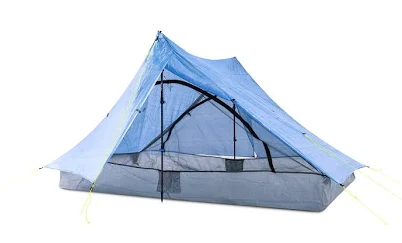
Zpacks Duplex Tent
Zpacks Duplex Tent has higher concern due to undisclosed water-repellent coating chemistry.
This ultralight tent uses Dyneema polyethylene ripstop fabric with a water-repellent coating. The brand has not disclosed the water-repellent coating treatment chemistry. Water-repellent finishes on outdoor gear have historically used PFAS-based formulations.
Still want this one anyway? Check the price on Amazon. We’d swap it.
Material
Dyneema polyethylene ripstop fabric with water-repellent coating (unspecified)
Brand disclosure
Brand is silent on PFAS
Lab data
No public lab test
What Zpacks Duplex Tent is made of, ingredients and materials
The Duplex uses Dyneema polyethylene ripstop fabric, a high-strength synthetic that is inherently stable and resistant to degradation. The water-repellent coating (water-repellent coating) coating applied to this fabric is the only chemical concern; Zpacks does not publicly specify whether this coating contains PFAS compounds (common in many commercial tents) or PFAS-free alternatives. Dyneema itself does not off-gas formaldehyde, break down into microplastics under normal use, or leach toxic additives into food or water.
What’s concerning
Category baseline
The starting point for this type of product, before anything specific to this product is counted.
No PFAS disclosure
No public statement from the brand about PFAS in this product.
Waterproof / stain-resistant treatment
Water-repellent coating treatments have historically used PFAS.
PFAS
The specific water-repellent coating treatment on this tent is not disclosed. Fluorinated water-repellent coating coatings are the industry standard and typically contain PFAS; however, alternatives without fluorinated water-repellent coating coatings exist. Without testing or brand statement, the presence of PFAS cannot be confirmed but cannot be ruled out.
Source, ATSDR ↗Coating degradation and water repellency loss
Water-repellent coating coatings on ultralight tents are known to degrade within 3-5 years of regular use, leading to loss of water shedding. This is a performance issue rather than a safety hazard, but users should plan for periodic re-treatment or replacement.
UV sensitivity and color fading
While Dyneema is UV-stable chemically, prolonged direct sunlight can fade dyes in the fabric. This is cosmetic and does not compromise structural integrity or chemical safety.
What’s reassuring
Microplastic shedding from ripstop fabric
Dyneema polyethylene is a consolidated, high-density plastic that does not readily break apart into microplastics under normal camping use, washing, or weathering. Abrasion or mechanical damage could eventually release fibers, but this is not a documented issue for this product class.
Formaldehyde / VOCs
Dyneema ripstop fabric and polyester reinforcements do not contain formaldehyde resins or flame retardants typical of other textiles. The water-repellent coating may emit volatile compounds during application and curing but is not a documented health concern for end users after initial manufacturing.
Source, ATSDR ↗The full breakdown
The brand's record and disclosure
Zpacks is known for ultralight tent design and has built a reputation within the hiking community, but has not published transparency data on water-repellent coating chemistry, manufacturing certifications (such as OEKO-TEX or bluesign), or environmental testing. The brand's silence on PFAS and coating composition is typical of smaller outdoor manufacturers but stands in contrast to larger competitors (Nemo, Big Agnes) who have begun disclosing or transitioning away from fluorinated treatments. No established safety recalls or contamination incidents are on record for Zpacks tents.
How it compares in its category
The Duplex sits at the lightweight end of the ultralight tent market and competes with similar Dyneema-based models from other small brands. Most tents in this segment use PFAS-containing water-repellent coating by default; a few premium brands now offer PFAS-free water-repellent coating options (e.g., Hyperlite Mountain Gear, some Nemo models), though at higher cost and potentially lower water-shedding performance. The Duplex's performance and durability are well-regarded, but the lack of coating disclosure is a transparency gap in the category.
If you buy it
Dyneema ripstop itself requires minimal care; avoid prolonged direct sunlight exposure (UV fades color but does not degrade the material chemically). The water-repellent coating will degrade over 3-5 years of regular use and can be renewed with aftermarket treatments (many of which also contain PFAS, so research carefully). Store dry and avoid machine washing; spot-clean with cool water and mild soap. If you are concerned about PFAS exposure, contact Zpacks directly to request water-repellent coating composition data before purchase.
What we don’t know
- Basis
- Model estimate, 45% confidence, not a lab result
- Lab test
- None on record for this exact product
- Brand statement
- Zpacks has made none
Formulations change between production runs, so check the current label. How we grade.
More camping tents & tarps grades
How we score, every product runs through the same public 0-100 rubric based on materials, coatings, brand disclosure, lab findings, and recalls. See the full methodology → Spotted a mistake? Report an error.