Zpacks · Camping Tents & Tarps
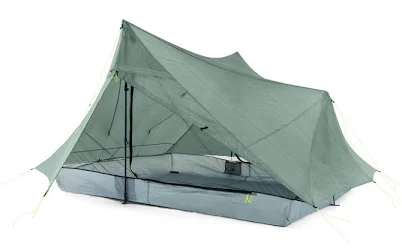
Zpacks Pivot Trio Tent
Lower confidence; ultralight shelter with unknown water-repellent treatment raises PFAS risk.
Zpacks' Pivot Trio uses Dyneema fabric that is PFAS-free, but applies undisclosed water-repellent coating. Zpacks makes no PFAS claims or certifications.
Still want this one anyway? Check the price on Amazon. We’d swap it.
Material
Dyneema fabric with water-repellent coating (unspecified)
Brand disclosure
Brand is silent on PFAS
Lab data
No public lab test
What Zpacks Pivot Trio Tent is made of, ingredients and materials
The Pivot Trio uses Dyneema (ultra-high-molecular-weight polyethylene fiber), a synthethic material known for high strength-to-weight ratio and inherent water resistance. The critical unknown is the water-repellent coating (water-repellent coating) coating applied to achieve the shelter's packability and weather performance. water-repellent coating coatings on textiles are a primary PFAS delivery mechanism in camping gear; Zpacks has not publicly disclosed whether theirs contains PFAS-based fluorochemicals (like C6 or C8 variants) or newer alternatives.
What’s concerning
Category baseline
The starting point for this type of product, before anything specific to this product is counted.
No PFAS disclosure
No public statement from the brand about PFAS in this product.
Waterproof / stain-resistant treatment
Water-repellent coating treatments have historically used PFAS.
water-repellent coating degradation and unknown chemistry
Dyneema Pivot Trio relies on a water-repellent coating finish to achieve water resistance, but Zpacks does not publicly disclose the chemical composition or PFAS status of this treatment. Fluorochemical-based water-repellent coating coatings are standard in the industry and a known PFAS exposure route; repeated washing and UV exposure will degrade performance over 2-5 years.
Microplastic shedding from fiber breakdown
Dyneema is a synthetic polymer fiber that can shed microparticles if abraded or aged, particularly at stress points (seams, compression areas). While not specific to this model, ultralight tents see heavy compression during pack cycles, potentially releasing fibers into soil and water at campsites.
Seam-tape adhesive leachables
Sealed seams typically use polyurethane or acrylic-based adhesives. Zpacks does not specify the composition of its seam sealing. Some adhesive formulations can leach volatile organics or phthalates under moisture and heat, though this is uncommon in well-made products.
What’s reassuring
Off-gassing from dyes and fabric finishes
No published reports of excessive VOC or formaldehyde off-gassing from Zpacks tents. Dyneema is typically not heavily dyed, reducing this risk compared to nylon or polyester shelters, but the full finish stack (water-repellent coating + any UV stabilizers) is undisclosed.
Heavy metals
No known incidents or testing results for lead, cadmium, or other heavy metals in Zpacks Dyneema fabric or coatings. Risk is low for this material class relative to ceramic-coated cookware or pigmented cosmetics.
Source, FDA ↗The full breakdown
The brand's record and disclosure
Zpacks is a boutique ultralight brand with strong reputation for design and durability but minimal public sustainability or chemical transparency documentation. No independent PFAS testing results or certifications (e.g., bluesign, GOTS, or OEKO-TEX) are widely available for this product line. The brand's silence on water-repellent coating treatment chemistry is notable given industry-wide awareness of PFAS concerns since 2015+.
How it compares in its category
Ultralight tents often prioritize performance over disclosure, and Zpacks sits in the premium segment where PFAS-free water-repellent coating alternatives (fluorine-free coatings) remain less common than fluorinated versions. Brands like Big Agnes and MSR have begun offering PFAS-free shelter lines, though Zpacks' position on this transition is unclear. Most ultralight shelter materials (nylon, polyester, Dyneema) require some water-repellent treatment, making this category inherently higher-PFAS-risk than non-coated alternatives.
If you buy it
Minimize skin contact during setup and prolonged use; do not allow children to play directly on the interior fabric for extended periods. Avoid washing with hot water or machine cycles, which may degrade the water-repellent coating and potentially increase leachate. Replace or treat with PFAS-free water-repellent coating products if the coating visibly degrades (water beading fails). Store in a cool, dry place away from direct sunlight to slow polymer aging.
What we don’t know
- Basis
- Model estimate, 45% confidence, not a lab result
- Lab test
- None on record for this exact product
- Brand statement
- Zpacks has made none
Formulations change between production runs, so check the current label. How we grade.
More camping tents & tarps grades
How we score, every product runs through the same public 0-100 rubric based on materials, coatings, brand disclosure, lab findings, and recalls. See the full methodology → Spotted a mistake? Report an error.