Zpacks · Camping Tents & Tarps
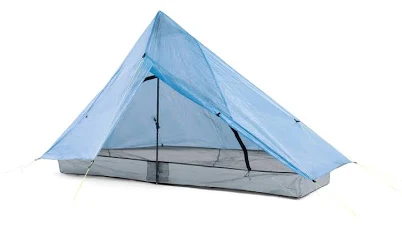
Zpacks Plex Solo Tent 1P UL Backpacking Shelter
Skip until Zpacks reveals waterproof treatment chemistry.
Zpacks' Plex Solo uses Dyneema fabric with a waterproof coating, but the brand doesn't disclose coating composition or PFAS status. Ultralight backpacking tents commonly use Teflon-family coating water-repellent coating finishes.
Still want this one anyway? Check the price on Amazon. We’d swap it.
Material
Dyneema polyethylene fabric with proprietary waterproof coating
Brand disclosure
Brand is silent on PFAS
Lab data
No public lab test
What Zpacks Plex Solo Tent 1P UL Backpacking is made of, ingredients and materials
The Plex Solo uses Dyneema polyethylene (a high-strength plastic fiber) as its primary fabric, which is inherently hydrophobic and does not require chemical waterproofing in its base fiber. However, Zpacks applies a proprietary water-repellent coating (water-repellent coating) coating to enhance performance and longevity. The brand does not publicly disclose the chemistry of this coating, which is the critical safety variable, ultralight tent manufacturers routinely rely on fluorinated compounds (PFAS) for water-repellent coating because of their effectiveness at microscopic thicknesses. Dyneema itself is chemically stable and does not off-gas volatile organic compounds under normal use.
What’s concerning
Category baseline
The starting point for this type of product, before anything specific to this product is counted.
No PFAS disclosure
No public statement from the brand about PFAS in this product.
Waterproof / stain-resistant treatment
Water-repellent coating treatments have historically used PFAS.
Waterproof coating chemistry (fluorinated water-repellent coating, presumed but undisclosed)
Zpacks has not disclosed whether the water-repellent coating contains PFAS or fluorine compounds. Industry practice and the brand's silence suggest fluorinated chemistry is likely, but this cannot be confirmed without manufacturer testing or third-party analysis.
Coating off-gassing under heat or UV stress
Prolonged exposure to direct sunlight or stored heat may degrade the water-repellent coating and release volatile residues. No documented incidents exist, but the proprietary nature of the treatment means off-gassing products are unknown.
Microplastics
Dyneema is a polyethylene synthetic fiber; extended use and abrasion can shed microfibers, particularly where the fabric contacts ground or contact points. This is inherent to any synthetic tent and not specific to Zpacks, but a consideration for long-term environmental impact.
Source, EPA ↗What’s reassuring
Leaching from coating into condensation or stored water
No reported cases of chemical migration from the water-repellent coating into water collected inside the tent or condensate. Risk depends entirely on the coating's chemical nature, which is not disclosed.
Formaldehyde / VOCs
Dyneema does not typically require formaldehyde resins or antimicrobial finishes in its base production. No evidence suggests Zpacks applies these; risk is minimal unless the proprietary coating contains such additives.
Source, ATSDR ↗The full breakdown
The brand's record and disclosure
Zpacks maintains minimal published information on material treatments and has not responded to industry-wide PFAS transparency initiatives. The company does not claim PFAS-free or fluorine-free status, nor does it provide third-party testing or certification for chemical treatments. This silence is notable in a market segment where competitors like Hyperlite and some others have begun disclosing fluorine-free alternatives or providing more specificity. No recalls or documented chemical exposure incidents are on record for this model.
How it compares in its category
Zpacks occupies the premium ultralight end of the market where weight minimization often drives material choices that may not prioritize chemical disclosure. Competing products like Hyperlite Mountain Gear tents offer similar Dyneema construction but with clearer water-repellent coating statements; others use non-fluorinated silicone or wax-based coatings at slightly higher weight. The Plex Solo's claimed weight advantage (under 9 oz) reflects the aggressive minimalist philosophy that may underpin its coating choice, as PFAS-based DWRs are thinner and lighter than many alternatives.
If you buy it
Treat this tent as a long-term investment and avoid unnecessary replacement, which multiplies chemical exposure over time. Do not wash it with detergent or machine-wash, as this can degrade the water-repellent coating and potentially mobilize treatment chemicals; rinse only with plain water if needed. Store in a cool, dry place away from heat and sunlight to prevent coating breakdown and off-gassing. If the water-repellent coating fails (water no longer beads on the fabric), replacement of the entire tent may be necessary rather than re-treatment, making durability essential to justified purchase.
What we don’t know
- Basis
- Model estimate, 45% confidence, not a lab result
- Lab test
- None on record for this exact product
- Brand statement
- Zpacks has made none
Formulations change between production runs, so check the current label. How we grade.
More camping tents & tarps grades
How we score, every product runs through the same public 0-100 rubric based on materials, coatings, brand disclosure, lab findings, and recalls. See the full methodology → Spotted a mistake? Report an error.