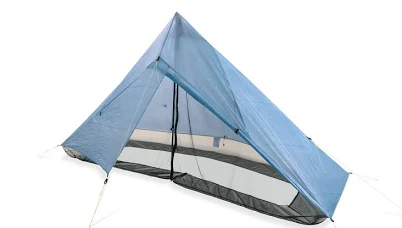
Zpacks · Camping Tents & Tarps
Zpacks Ultralight 1 Person Tent
Ultralight tent likely has PFAS-based water-repellent coating; no public disclosure.
Zpacks' Cuben Fiber is a proprietary waterproof laminate for ultralight backpacking. The brand makes no statement about PFAS in their water-repellent coating or film; ultralight synthetics commonly use PFAS-based coatings.
Still want this one anyway? Check the price on Amazon. We’d swap it.
Material
Cuben Fiber (proprietary laminate film)
Brand disclosure
Brand is silent on PFAS
Lab data
No public lab test
What Zpacks Ultralight 1 Person Tent is made of, ingredients and materials
The Zpacks Ultralight 1 uses Cuben Fiber, a proprietary laminate of polyethylene film bonded to a polyester or nylon mesh. Cuben is not the same as standard nylon or polyester tent fabric; it's a thin, plastic composite designed for extreme weight reduction. The waterproofing almost certainly relies on PFAS-based water-repellent coating (water-repellent coating) coating applied to the laminate, since fluorocarbon chemistry dominates ultralight-tent water-repellent coating at this price point. This material is not known to leach into food or skin contact, but micro-degradation over years of UV exposure and handling can release microplastics and potentially mobilize PFAS residues.
What’s concerning
Category baseline
The starting point for this type of product, before anything specific to this product is counted.
No PFAS disclosure
No public statement from the brand about PFAS in this product.
Waterproof / stain-resistant treatment
Water-repellent coating treatments have historically used PFAS.
Microplastics
Cuben's thin plastic composite is prone to cracking, peeling, and fragmentation under UV exposure and repeated flexing. As the laminate breaks down, fine plastic particles can be released into the environment and potentially inhaled during setup or storage in enclosed spaces.
Source, EPA ↗Polyester and polyethylene film off-gassing
New Cuben tents may emit low levels of volatile organic compounds from the plastic film and adhesives during the first few outings. This is typically minimal but could be a concern for people with chemical sensitivities or in poorly ventilated tents in hot conditions.
Coating durability and seam integrity over time
Field reports and user forums document that Zpacks Cuben tents can develop pinhole leaks and delamination after 2-5 years of use, especially if exposed to UV or stored damp. Once coating fails, waterproofing is unreliable and the tent is difficult to repair reliably.
Repair difficulty and adhesive toxicity
Cuben cannot be patched with conventional fabric glues; repairs require specialized Cuben tape or seam sealers, which may contain solvents or reactive resins. Botched repairs with incompatible adhesives can degrade the material further and potentially release harmful fumes during application.
Lack of third-party chemical or manufacturing transparency
Zpacks does not disclose fabric supplier, water-repellent coating chemistry, or manufacturing standards. Buyers cannot verify if heavy metals, azo dyes, or other restricted substances are present in the dyes or adhesives used in the laminate.
The full breakdown
The brand's record and disclosure
Zpacks is a small, direct-sales ultralight gear maker with no published PFAS, chemical, or safety disclosures. The brand does not list certifications (bluesign, GOTS, OEKO-TEX, or similar) and makes no statements about water-repellent coating chemistry or manufacturing standards. Independent testing or third-party audits of their tents are not publicly available. The company's silence on PFAS and chemical inputs is typical of the ultralight cottage-gear sector, where chemical transparency lags mainstream outdoor brands.
How it compares in its category
Zpacks Ultralight tents sit at the extreme end of minimalist design and weight reduction. Most mainstream ultralight tents (Big Agnes, Nemo, MSR ultralight lines) use either PU-coated nylon or silicone-coated fabrics, which avoid fluorocarbon water-repellent coating but carry other trade-offs in durability and waterproofing longevity. Zpacks Cuben tents are lighter and have better packability, but Cuben itself degrades faster in UV and is harder to repair than coated fabrics. PFAS-free ultralight alternatives (e.g., silicone-coated options) do exist but are rare and heavier.
If you buy it
Store the tent out of direct sunlight when not in use; UV degrades Cuben and can accelerate water-repellent coating breakdown and microplastic shedding. Avoid machine washing or harsh chemicals; hand-rinse gently with plain water only. Inspect seams and fabric regularly for peeling, cracking, or discoloration, which signal coating failure and mean waterproofing is compromised. Do not use near open flame or high heat sources. Replace patches or retire the tent if the laminate delaminates significantly, as water ingress will follow and repair becomes unreliable.
What we don’t know
- Basis
- Model estimate, 45% confidence, not a lab result
- Lab test
- None on record for this exact product
- Brand statement
- Zpacks has made none
Formulations change between production runs, so check the current label. How we grade.
More camping tents & tarps grades
How we score, every product runs through the same public 0-100 rubric based on materials, coatings, brand disclosure, lab findings, and recalls. See the full methodology → Spotted a mistake? Report an error.