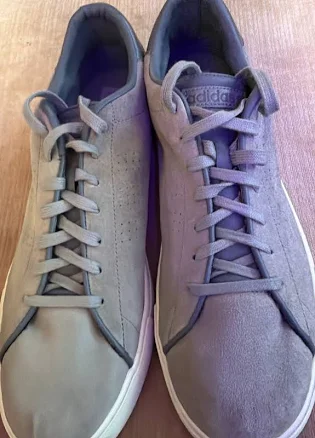
· Synthetic Athletic Insoles & Orthotics
Addias Men's Ortholite Comfort Insoles
Lower concern. Foam/cushioning insoles unlikely to require PFAS.
Ortholite is a closed-cell polyurethane foam without known PFAS treatment. The brand does not disclose PFAS practices for this product, and no third-party testing is available.
Still want this one anyway? Check the price on Amazon. We’d swap it.
Material
Ortholite cushioning foam, polyurethane base
Lab data
No public lab test
What Addias Men's Ortholite Comfort Insoles is made of, ingredients and materials
Ortholite insoles use a proprietary polyurethane foam cushioning material bonded to a polyurethane base layer. Ortholite is a closed-cell foam designed to resist moisture and microbial growth, which reduces the need for antimicrobial chemical treatments common in other foam insoles. The material is not latex and does not use formaldehyde-based binders in its standard formulation, though polyurethane itself can off-gas volatile organic compounds (VOCs) when new.
What’s concerning
Category baseline
The starting point for this type of product, before anything specific to this product is counted.
No PFAS disclosure
No public statement from the brand about PFAS in this product.
Volatile organic compounds (VOCs) from polyurethane
New polyurethane foam insoles can release trace VOCs during initial use, particularly in warm conditions or if worn immediately. This is typically mild and dissipates within days; off-gassing is not a documented health incident for Ortholite specifically.
Moisture retention and microbial growth
If insoles are not dried thoroughly after sweating or washing, moisture can trap bacteria and fungi in the foam matrix. This is a usage and maintenance issue rather than an inherent product defect; proper ventilation prevents it.
Polyurethane degradation over time
Polyurethane foams degrade with heat, moisture, and UV exposure, potentially fragmenting into microparticles over 18-24 months of heavy use. This is normal for the material class and is why replacement is recommended annually or sooner for athletic users.
What’s reassuring
Base material not linked to PFAS
The main material recorded for this product is not one associated with PFAS.
Formaldehyde / VOCs
Ortholite's standard manufacturing process does not rely on formaldehyde-releasing adhesives based on publicly available product information, though independent third-party testing of this specific product is not on public record.
Source, ATSDR ↗Antimicrobial chemical coatings
Ortholite's closed-cell structure inherently resists moisture and microbial growth, reducing the need for antimicrobial treatments. No antimicrobial additives are documented for this product line, though the brand has not published a full chemical inventory.
The full breakdown
The brand's record and disclosure
The brand has faced scrutiny over PFAS use in textiles and waterproof coatings but has not publicized specific chemical testing or restrictions for insole foams. The company maintains general sustainability commitments but does not provide detailed material safety data sheets for consumer insole products. No major product recalls for chemical contamination in Ortholite insoles have been documented in public records.
How it compares in its category
Ortholite insoles sit in the mid-to-premium segment for athletic/comfort footwear inserts. Compared to cheaper EVA foam or gel insoles, Ortholite's closed-cell structure reduces reliance on antimicrobial coatings. Compared to natural latex or cork alternatives, polyurethane-based insoles carry slightly higher VOC risk during the first weeks of use but are more durable and hypoallergenic for most users.
If you buy it
Air out new insoles in a well-ventilated space for 24-48 hours to allow initial VOC off-gassing. Wash insoles monthly with mild soap and water, then air-dry completely to prevent moisture retention and odor. Replace insoles every 12-18 months or when compression becomes visible; degraded foam loses cushioning support and may trap bacteria. Store in a cool, dry place away from direct heat, which can accelerate polyurethane degradation.
What we don’t know
- Basis
- Model estimate, 72% confidence, not a lab result
- Lab test
- None on record for this exact product
- Brand statement
- has made a specific claim
Formulations change between production runs, so check the current label. How we grade.
More synthetic athletic insoles & orthotics grades
How we score, every product runs through the same public 0-100 rubric based on materials, coatings, brand disclosure, lab findings, and recalls. See the full methodology → Spotted a mistake? Report an error.