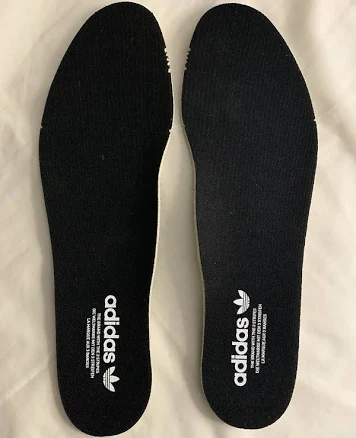
Adidas · Synthetic Athletic Insoles & Orthotics
Adidas Samba Insoles/Footbed/Sockliners, size 13/13.5/14 shoes OG/JP/Black
Lower concern; typical shoe insole without water-repellent treatment.
Standard Adidas insoles are primarily textile-based without known water-repellent coating. No PFAS disclosure from brand, but no high-risk indicators for footbeds like these.
Still want this one anyway? Check the price on Amazon. We’d swap it.
Material
Fabric/textile insole, likely polyester or cotton blend
Lab data
No public lab test
What Adidas Samba Insoles/Footbed/Sockliners is made of, ingredients and materials
Adidas Samba insoles are typically a polyester-cotton or polyester-dominant blend textile laminated to a foam or rubber base. Polyester itself is chemically stable under normal wearing conditions, but the dyes and finishing agents applied during manufacturing can pose low-level exposure risks. The foam or rubber backing may contain adhesives or flame-retardant chemicals, though insoles are not regulated as heavily as furniture or mattresses in most markets.
What’s concerning
No PFAS disclosure
No public statement from the brand about PFAS in this product.
Category baseline
The starting point for this type of product, before anything specific to this product is counted.
Azo dyes and synthetic dyes in textiles
Polyester insole fabric is typically dyed with synthetic azo or reactive dyes. While restricted azo dyes (those producing certain carcinogenic amines) are largely banned in EU textiles, enforcement in non-EU footwear supply chains varies. Direct skin contact with insoles presents minimal risk; dermal migration is low unless insoles are wet or abraded.
Formaldehyde / VOCs
Polyester textiles are sometimes treated with formaldehyde-releasing resins for water-resistance or shape retention. Insole exposure is brief and primarily dermal; formaldehyde off-gassing is unlikely to be significant in a shoe environment, but new insoles may emit low levels of formaldehyde odor in the first days of use.
Source, ATSDR ↗Microplastic shedding from degraded textile and foam
As polyester insoles age and compress, they shed microfibers and microfoam particles into socks and potentially inhaled dust. This is not unique to Adidas but inherent to synthetic insole materials; replacement extends usable life before significant degradation occurs.
What’s reassuring
Base material not linked to PFAS
The main material recorded for this product is not one associated with PFAS.
Flame retardants
Shoe insoles are not classified as upholstered furniture and are therefore exempt from flame-retardant regulations in most jurisdictions. No public reports of brominated or phosphorus-based flame retardants in Adidas insoles exist, but manufacturers rarely disclose adhesive or foam chemistry.
Source, EPA ↗Antimony in polyester material
Antimony compounds are used as catalysts in polyester synthesis but are tightly bound in the polymer matrix and not bioavailable during normal wear. No established risk to wearers; antimony leaching from textiles is not documented as a practical hazard.
The full breakdown
The brand's record and disclosure
Adidas has published some sustainability and restricted substances lists but does not provide detailed chemical composition or third-party certification specifically for insole materials. The brand has faced scrutiny over supply-chain labor and environmental practices, but no major chemical safety recalls for socks or insoles are on record. Adidas remains silent on PFAS content in footwear, consistent with broader industry opacity on water-repellent treatments in shoe components.
How it compares in its category
Replacement insoles in this category are largely unregulated; most major brands (Nike, New Balance, Saucony) use similar polyester-foam constructions without detailed hazard labeling. Adidas Samba insoles are mid-range in terms of construction quality and disclosure. Specialized orthopedic or medical-grade insoles often undergo more rigorous testing and material vetting, while budget alternatives may use lower-grade adhesives and dyes.
If you buy it
Wash or wipe down insoles periodically to reduce dust and dye migration, especially if worn directly against skin. Avoid prolonged exposure to heat above 60 degrees Celsius (140 degrees Fahrenheit), as foam backings can degrade and adhesives may off-gas. Replace insoles every 12-24 months depending on wear, as breakdown of the textile and base materials increases microfiber shedding. If you notice strong odors or visible deterioration, discard and replace.
What we don’t know
- Basis
- Model estimate, 72% confidence, not a lab result
- Lab test
- None on record for this exact product
- Brand statement
- Adidas has made a specific claim
Formulations change between production runs, so check the current label. How we grade.
More synthetic athletic insoles & orthotics grades
How we score, every product runs through the same public 0-100 rubric based on materials, coatings, brand disclosure, lab findings, and recalls. See the full methodology → Spotted a mistake? Report an error.