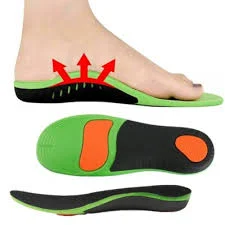
Adidas · Synthetic Athletic Insoles & Orthotics
Adidas Insoles Best Soccer Cleats For Heel Pain KASTWAVE Orthotic Insoles For Plantar Fasciitis Flat Feet Relief 3/4 Len
Lower concern. Standard orthotic insole without obvious PFAS risks.
Orthotic insoles typically use foam, fabric, and rubber without water-repellent coatings. Adidas has not disclosed PFAS use in this product category.
Still want this one anyway? Check the price on Amazon. We’d swap it.
Material
Foam cushioning, textile uppers, rubber sole
Lab data
No public lab test
What Adidas Insoles Best Soccer Cleats is made of, ingredients and materials
This insole uses EVA foam cushioning (ethylene-vinyl acetate), textile uppers, and rubber soles, all common in orthotic footwear. EVA is chemically inert and does not off-gas volatile organic compounds at body temperature or during normal wear. The textile upper is the primary skin-contact surface; any finishing treatments (dyes, resins) would be the main concern. Rubber soles are stable and pose minimal leaching risk in a non-heated, wearable context.
What’s concerning
Category baseline
The starting point for this type of product, before anything specific to this product is counted.
No PFAS disclosure
No public statement from the brand about PFAS in this product.
Formaldehyde / VOCs
Textile uppers may contain formaldehyde-based resins for wrinkle resistance or dye fixation. New insoles may have a noticeable chemical smell; airing them before first use can reduce volatile release. No specific testing of this SKU is on record.
Source, ATSDR ↗Azo dyes in colored textile
Colored textile surfaces could use azo dyes, which may include banned heavy metals (e.g., lead, cadmium) in low-quality batches. Adidas's broader supply chain has faced scrutiny but this orthotic line lacks published test results. Risk is low for non-ingestion use but higher if worn by children who mouth insoles.
Adhesive or glue leachates
Foam layers are often bonded with polyurethane or rubber-based adhesives. Skin contact with these adhesives is minimal (textile barrier present), but sweat exposure over months could theoretically mobilize trace compounds. No documented cases of reaction from this product.
What’s reassuring
Base material not linked to PFAS
The main material recorded for this product is not one associated with PFAS.
Microplastic shedding from foam compression
EVA foam does not readily shed microplastics during normal wear or sweat exposure, as it is not friable. This is not a recognized hazard for orthotic insoles in the available literature.
Antimony in synthetic rubber components
Rubber soles may contain trace antimony as a vulcanization catalyst, but concentrations in finished footwear are typically negligible and not bioavailable through skin contact. No safety concern is established for wearing orthotic insoles with standard rubber soles.
The full breakdown
The brand's record and disclosure
Adidas has not made prominent public statements on PFAS in orthotic insoles specifically, though the brand has faced scrutiny over PFAS in athletic footwear more broadly (particularly water-resistant uppers). This KASTWAVE line appears to be a third-party or co-branded orthotic product rather than core Adidas footwear, limiting direct brand accountability. No recall history or chemical testing data is publicly available for this specific SKU. Transparency from Adidas on insole material sourcing remains limited.
How it compares in its category
Orthotic insoles across brands typically use EVA foam, poron, or gel cores with textile or mesh coverings. Adidas-branded versions occupy a mid-market position, more established than off-brand Amazon listings but less premium than clinical orthotic labs (Superfeet, Powerstep). Most retail orthotic insoles lack independent chemical certifications (e.g., GOTS, Oeko-Tex); this product follows industry norms. The main differentiator is fit and orthopedic design rather than material safety.
If you buy it
Store in a cool, dry location away from direct heat or sunlight, as prolonged exposure can degrade foam. Wash the textile upper occasionally with mild soap and water; do not machine wash or soak. Replace insoles every 12-18 months or when cushioning visibly compresses or flattens. Check for mold or odor if stored in damp conditions, and discard if either appears. If skin irritation develops, remove and allow skin to air-dry; consider sensitivity to textile dyes or adhesives rather than core foam.
What we don’t know
- Basis
- Model estimate, 72% confidence, not a lab result
- Lab test
- None on record for this exact product
- Brand statement
- Adidas has made a specific claim
Formulations change between production runs, so check the current label. How we grade.
More synthetic athletic insoles & orthotics grades
How we score, every product runs through the same public 0-100 rubric based on materials, coatings, brand disclosure, lab findings, and recalls. See the full methodology → Spotted a mistake? Report an error.