Non-Toxic Insoles, ranked by PFAS grade
You may also be interested in
Top-graded picks in the categories readers replace first, every one scored on the same rubric.

- polypropylene filter housing, carbon/sediment cartridge
- We found no PFAS statement from the brand
- Bacterial growth in spent cartridges
3 hazards checked on this product, all on its full breakdown.

Aquasure
Premier Series 75 GPD Under Sink Reverse Osmosis Water Filtration System
- RO membrane, carbon filters, stainless steel housing
- We found no PFAS statement from the brand
- Bacterial and microbial growth in housing and filters
4 hazards checked on this product, all on its full breakdown.

Avocado
Vegan Mattress
- organic cotton, natural latex, coconut coir, recycled steel coils
- The brand calls it PFAS-free, which we have not verified
- Heavy metals
2 hazards checked on this product, all on its full breakdown.
All 122 insoles PFAS Authority has graded score below its 70 point pass mark for PFAS and other toxins, as of October 2026.
The full ranking is below, best-graded first, with every score linking to the evidence behind it. Nothing here clears our buy threshold yet, so the least-concerning options come first.
Are insoles safe?
None of the 122 insoles we graded come back low-concern on our screen. Our grades are model-based assessments built from published materials, ingredient lists, certifications and brand disclosures, not laboratory tests, so they say what we can evidence rather than that anything is safe.
Best graded insoles here
- 1Cotton Insole 65 out of 100
- 2Addias Men's Ortholite Comfort Insoles 65 out of 100
- 3Adidas F50 Tunit Chassis Comfort Insole, 6US / 5.5UK / 38.67EU 65 out of 100
Start here
The best non-toxic synthetic athletic insoles & orthotics, ranked by grade
Buyer’s guide
What to look for in synthetic athletic insoles & orthotics, and which brands grade best and worst
Why Cotton Insole grades highest here, and why that is not a pass
Every grade on this page is one sum. A category starts from a baseline, each disclosed material or coating adds risk points, and each thing the brand or a third party has published takes them away. Below is that sum for the winner, then for 3 products it beats, so you can see exactly where the 45 points between the top and the bottom of this synthetic athletic insoles & orthotics ranking come from. Nothing in this category reaches our 70 point pass mark, so this is the shape of the field rather than a recommendation.
Top graded, and still below our pass mark
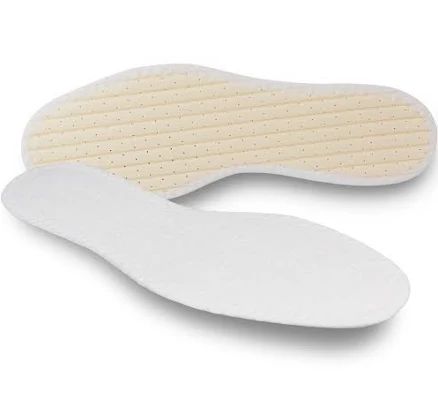
Made of Cotton with possible latex or synthetic backing.
- +30Category baseline. The starting point for this type of product, before anything specific to this product is counted.
- +15No PFAS disclosure. No public statement from the brand about PFAS in this product.
- -10Base material not linked to PFAS. The main material recorded for this product is not one associated with PFAS.
35risk points in total, which is a grade of 65
What the grade does not fix. It still carries one risk factor, No PFAS disclosure, and our graders recorded 2 other hazards on it. See the full breakdown.
What it still grades above, and why
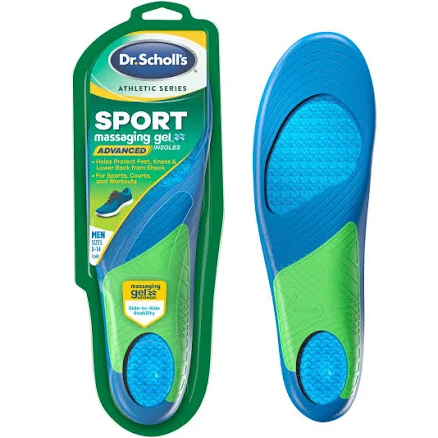
What puts it behind. Unknown / proprietary coating, +25 points. A coating is recorded with no disclosed chemistry. The top-graded product carries no such factor.
Made of Gel compound with synthetic polymers, unspecified coatings.
- +30Category baseline
- +25Unknown / proprietary coating
- +15No PFAS disclosure
70risk points, a grade of 30
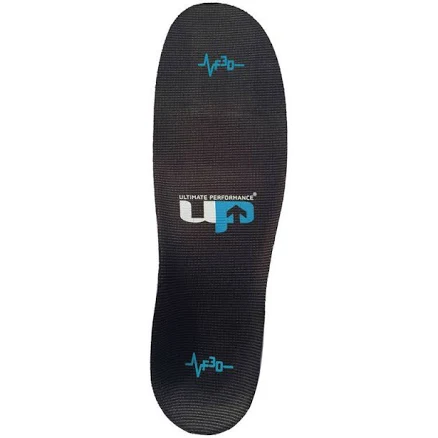
What puts it behind. Unknown / proprietary coating, +25 points. A coating is recorded with no disclosed chemistry. The top-graded product carries no such factor.
Made of Unknown polymer foam/gel insole with proprietary F3D coating.
- +30Category baseline
- +25Unknown / proprietary coating
- +15Vague safety claims only. Uses vague language ("eco-friendly", "clean") without a specific PFAS statement.
70risk points, a grade of 30
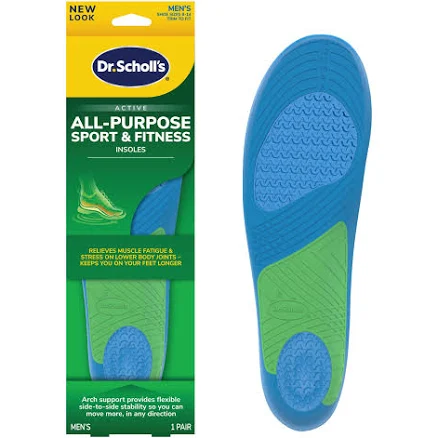
What puts it behind. Waterproof / stain-resistant treatment, +35 points. Water-repellent coating treatments have historically used PFAS. The top-graded product carries no such factor.
Made of foam, gel, fabric with moisture-wicking treatment.
- +35Waterproof / stain-resistant treatment
- +30Category baseline
- +15No PFAS disclosure
80risk points, a grade of 20
No product on this page was physically tested by us. Every number above comes from published materials, ingredient and coating disclosures, certifications and brand statements, scored on one public rubric. Formulations change without notice, so check the current product listing before buying.
Which synthetic athletic insoles & orthotics contain PFAS? Poor and Bad, we’d swap these
Cotton Insole
- Cotton with possible latex or synthetic backing
- We found no PFAS statement from the brand
- Adhesive/backing composition (unknown)
2 hazards checked on this product, all on its full breakdown.
Find an alternative on Amazon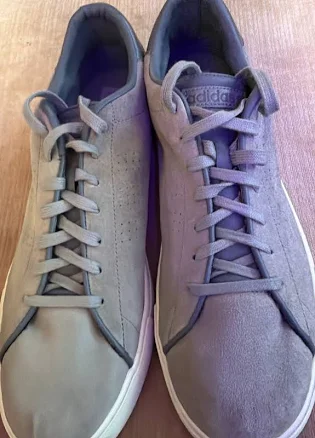
Addias Men's Ortholite Comfort Insoles
- Ortholite cushioning foam, polyurethane base
- Volatile organic compounds (VOCs) from polyurethane
3 hazards checked on this product, all on its full breakdown.
Find an alternative on Amazon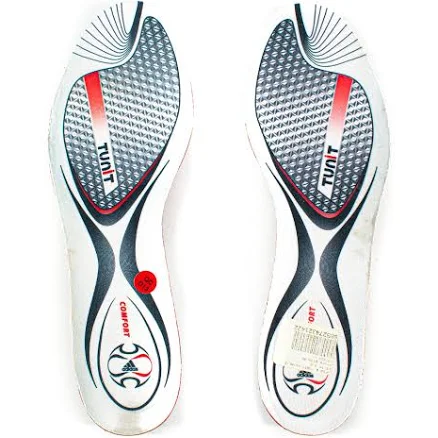
- EVA foam, mesh textile lining
- Azo dyes in mesh textile
3 hazards checked on this product, all on its full breakdown.
Find an alternative on Amazon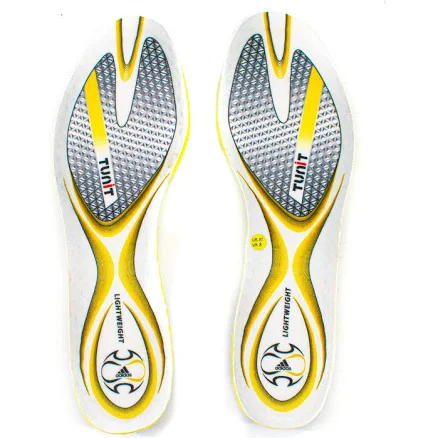
- EVA foam, textile blend
- Azo dyes in textile layer
3 hazards checked on this product, all on its full breakdown.
Find an alternative on Amazon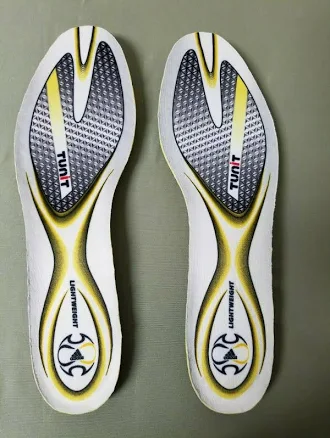
- EVA foam, synthetic textiles
- Formaldehyde / VOCs
4 hazards checked on this product, all on its full breakdown.
Find an alternative on Amazon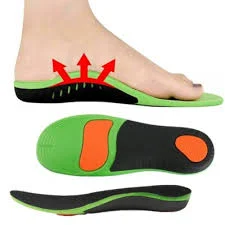
- Foam cushioning, textile uppers, rubber sole
- Formaldehyde / VOCs
3 hazards checked on this product, all on its full breakdown.
Find an alternative on Amazon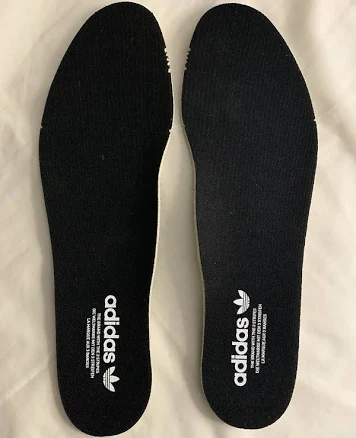
- Fabric/textile insole, likely polyester or cotton blend
- Azo dyes and synthetic dyes in textiles
3 hazards checked on this product, all on its full breakdown.
Find an alternative on Amazon
- foam insoles, textile lining
- Azo dyes in colored foam or textile
2 hazards checked on this product, all on its full breakdown.
Find an alternative on Amazon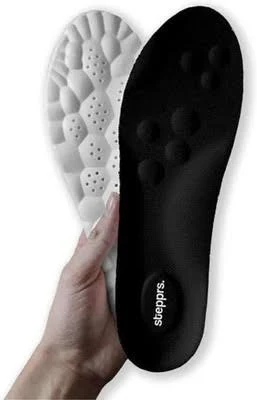
- Foam (EVA, polyurethane, or similar cushioning polymer)
- Formaldehyde / VOCs
3 hazards checked on this product, all on its full breakdown.
Find an alternative on Amazon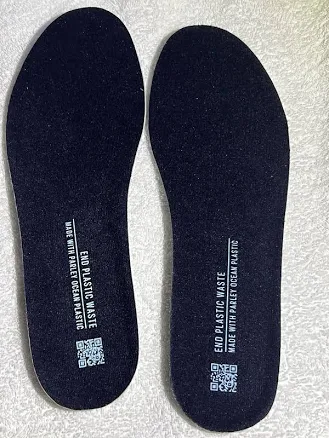
- Foam insole, likely EVA or polyurethane
- Volatile organic compounds (VOCs) from polyurethane degradation
2 hazards checked on this product, all on its full breakdown.
Find an alternative on Amazon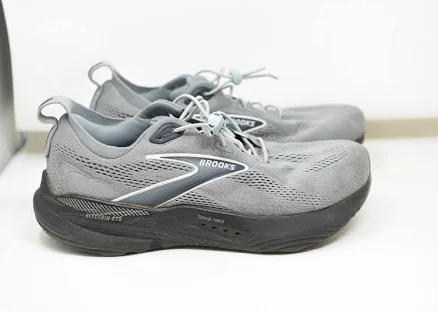
- Foam cushioning, textile mesh upper, thermoplastic heel counter
- We found no PFAS statement from the brand
- Foam degradation and microparticle shedding
2 hazards checked on this product, all on its full breakdown.
Find an alternative on Amazon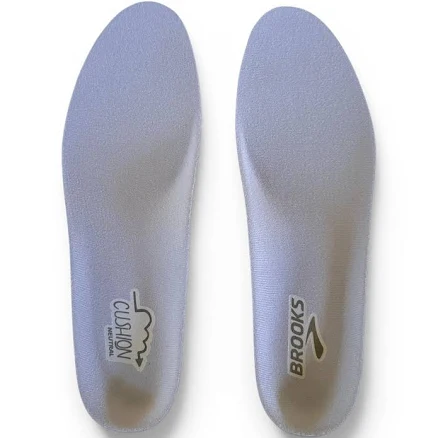
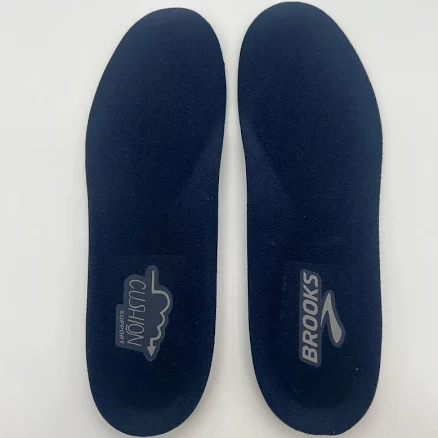
- Foam cushioning, likely ethylene-vinyl acetate or polyurethane
- We found no PFAS statement from the brand
- Microplastic shedding or degradation
- Foam cushioning, textile cover
- We found no PFAS statement from the brand
- Formaldehyde / VOCs
4 hazards checked on this product, all on its full breakdown.
Find an alternative on Amazon
- foam insole, likely EVA or polyurethane foam
- We found no PFAS statement from the brand
- Formaldehyde / VOCs
3 hazards checked on this product, all on its full breakdown.
Find an alternative on Amazon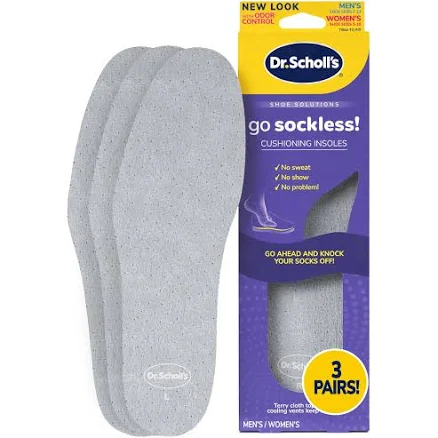
- foam cushioning, polyurethane gel, textile cover
- We found no PFAS statement from the brand
- Polyurethane foam degradation and particle shedding
2 hazards checked on this product, all on its full breakdown.
Find an alternative on Amazon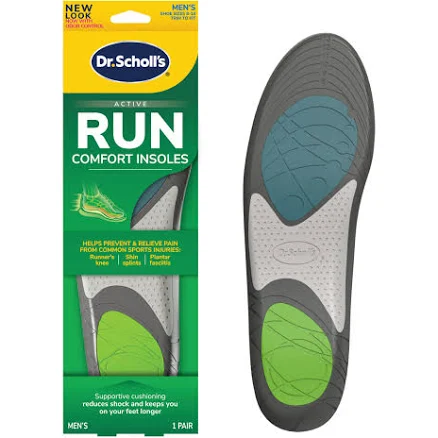
- Foam cushioning, gel, textile cover
- We found no PFAS statement from the brand
- Polyurethane foam off-gassing and degradation
2 hazards checked on this product, all on its full breakdown.
Find an alternative on Amazon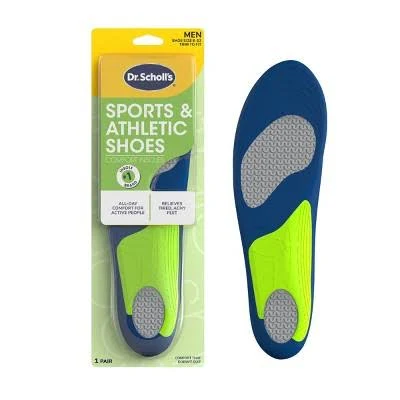
- foam, gel, cushioning polymers
- We found no PFAS statement from the brand
- Foam degradation and microparticle shedding
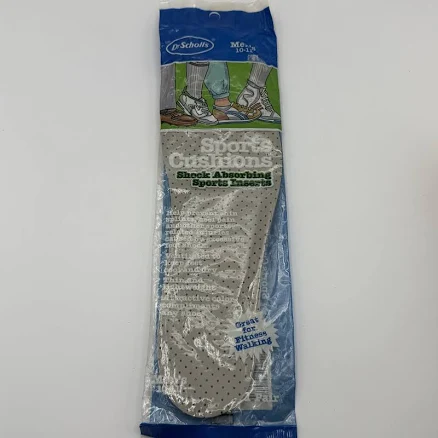
- foam cushioning, likely polyurethane or EVA
- We found no PFAS statement from the brand
- Adhesive or bonding agent degradation
3 hazards checked on this product, all on its full breakdown.
Find an alternative on Amazon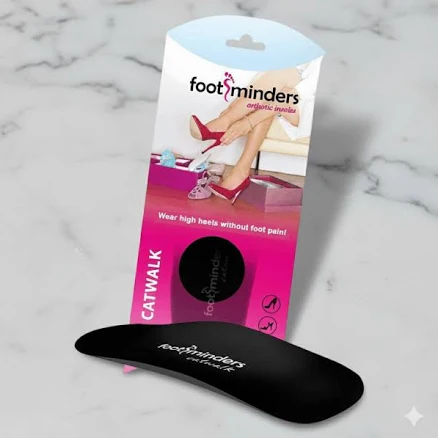
Best Orthotic Arch Support Insoles for High Heel Shoes
- Foam, gel, or elastomer orthotic insole
- We found no PFAS statement from the brand
- Formaldehyde / VOCs
4 hazards checked on this product, all on its full breakdown.
Find an alternative on Amazon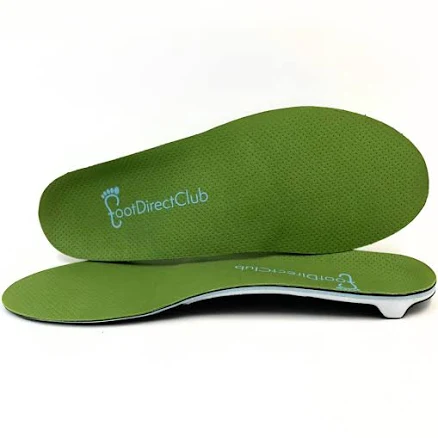
Foot Direct Club Custom Sport Performance Insoles
- foam/gel cushioning, textile lining
- We found no PFAS statement from the brand
- Foam degradation and microparticle shedding
2 hazards checked on this product, all on its full breakdown.
Find an alternative on Amazon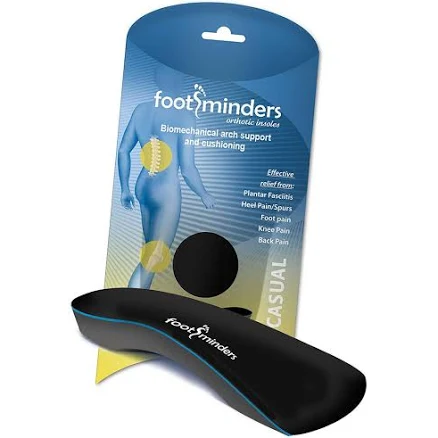
- EVA foam, fabric liner, adhesive
- We found no PFAS statement from the brand
- Adhesive volatiles (VOC off-gassing)
2 hazards checked on this product, all on its full breakdown.
Find an alternative on Amazon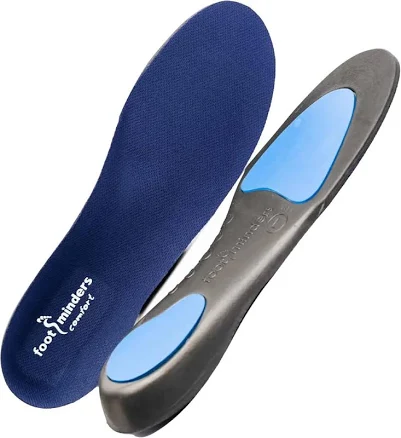
Footminders
Comfort Orthotic Arch Support Insoles for Sport Shoes and Work Boots (Pair)
- Foam, cushioning polymers, fabric topcover
- We found no PFAS statement from the brand
- Formaldehyde / VOCs
4 hazards checked on this product, all on its full breakdown.
Find an alternative on Amazon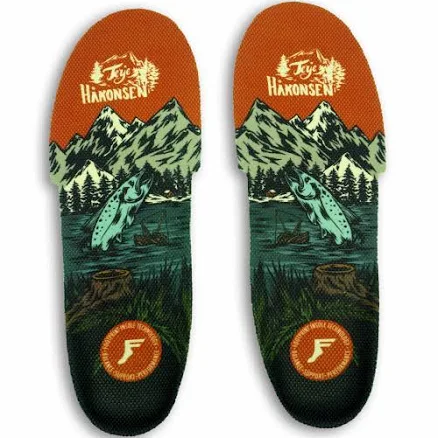
- Foam/cushioning core, likely EVA or polyurethane with textile cover
- We found no PFAS statement from the brand
- Polyurethane foam degradation and off-gassing
2 hazards checked on this product, all on its full breakdown.
Find an alternative on Amazon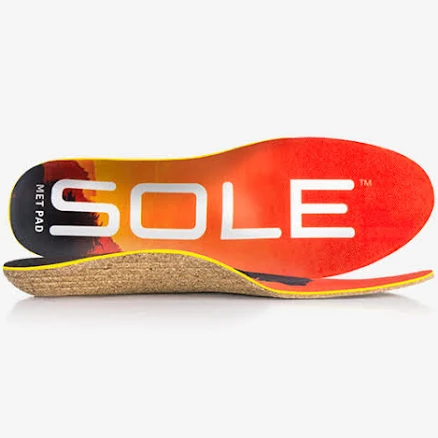
- cork and natural rubber/EVA foam base, no known Teflon-family coating
- We found no PFAS statement from the brand
- Bacterial or fungal growth (moisture retention)
2 hazards checked on this product, all on its full breakdown.
Find an alternative on Amazon- 65Keen Men's K-10 Outdoor Replacement Insole
- 65Keen Men's Utility K-10 Replacement Insole
- 65Keen Men's Utility K-20 Cushion Insole
- 65Keen Men's Utility K-30 Low Arch Insole
- 65Keen Utility K-30 Arch Insole
- 65 Men's 3/4 Insoles
- 65Orthofeet Men's Orthofeet Biosole Gel Sport
- 65Orthofeet Biosoft Insole - Men's Blue / 6-6.5
- 65Orthofeet Edgewater Men's
- 65Orthofeet Men's Orthotic Insoles
- 65Orthofeet Padded Sole Diabetic Socks
- 65Orthofeet Tilos Men's Hands-Free Sneaker
- 65 Aloe Vera Insoles
- 65 Handmade German Insoles
- 65Pedag Viva High Insoles
- 65 SIESTA Insoles
- 65 Soft Comfort Neoprene Cushioned Insole
- 65Pinnacle PowerStep Pinnacle High Insoles, Shop Today @ The Insole Store
- 65Pinnacle PowerStep Pinnacle Maxx Insoles
- 65Pinnacle Powerstep Pinnacle Pink Orthotic Support Insoles
- 65Pinnacle PowerStep Ready to Ship Pinnacle Insoles - High Arch B
- 65Archmolds Maximum Orthotic Insoles
- 65Powerstep Bridge Insoles
- 65Powerstep Pinnacle Low Insoles
- 65Powerstep Pinnacle Orthotic Insoles
- 65Powerstep PULSE Maxx Orthotic Running Shoe Insert
- 65Powerstep Pulse Performance Insoles
- 65Powerstep Pulse Thin Insoles
- 65Profoot Full Length Plantar Fasciitis Orthotic Insoles
- 65Profoot Full Length Triad Work Orthotic Insoles
- 65Profoot Orthotic Insoles for Plantar Fasciitis & Heel Pain
- 65Profoot Plantar Fasciitis Insoles for Women
- 65Profoot Plantar Fasciitis Orthotic Insoles
- 65Profoot Triad Orthotic Insoles for Women
- 65Profoot Women's Super Sport Arch Support
- 65 Move All Day Insole
- 65Puma Evercushion Pro insole width mid
- 65Puma Men's Liner Socks
- 65Puma Men's Softride Symmetry Fuzion Low-top Sneakers
- 65Puma Softride Symmetry Fuzion
- 65Remind Active Low-All Arch Shoe Insole
- 65Remind Cush Impact Insoles
- 65Remind Insoles (Destin)
- 65Remind Insoles Destin Impact Dalton Dern Gnar Foot 5.5mm Low-All Arch Insoles - Multicolor / 7-7.5
- 65Remind Rede Impact 7mm Insoles
- 65Remind Rede Impact Clouds Insoles
- 65Dr. Scholl's Men's Heel & Arch Orthotics
- 65 Performance RX Orthotics, M 7-7.5, W 9-9.5
- 65Samurai Insoles Shogun Plantar Fasciitis Relief
- 65Samurai Insoles Sumos Super-Padded Orthotics
- 65Spenco Insole, Spenco Sport Cushion Womens 5-11, Implus
- 65Spenco Medical RX Insole
- 65Spenco Plantar Fascia Insole
- 65Spenco Propel + Carbon Performance Insoles
- 65Spenco Propel Performance Insoles
- 65Spenco Sport Cushion Insole Trim-to-Fit
- 65Spenco Trim To Fit Sport Cushion Insole
- 65Vionic Active Full Insole
- 65Vionic Relief 3/4 Orthotic Insoles
- 65Vionic Unisex Active Orthotic Full Length Insole
- 65Vionic Women's Active Full Length Insole
- 65Vionic Women's Slim Fit Insoles
- 65Dr. Scholl's Sporti Insoles, Women's Sizes 6-10
- 65Powerstep SlimTech 3/4
- 65Remind Insoles 8-8.5
- 65Remind Insoles Destin Tribute Shoe Insoles
- 65Spenco Gel Comfort Insoles
- 65Vionic Women's Slim Fit Insole
- 65Vionic Orthotic
- 65Brooks Insoles For Brooks Running Shoes, Cushion Shoe Inserts For Men &
- 65 Orthopedic Performance Insoles - 42-44
- 65Keen Men's K-30 High Outdoor Insole
- 65Keen Outdoor K-10 Replacement Insole
- 65Pedag Viva Sport Insoles
- 65Pinnacle PowerStep Pinnacle High Insoles
- 65Powerstep PULSE E
- 65Profoot Triad Orthotic Insoles for Knee, Leg & Back Pain
- 65Puma Men's Softride Symmetry Fuzion Low-top Running Shoes
- 65 MFM Performance Zero Drop Insoles
- 65Spenco Gel Total Support Insoles
- 65Spenco Polysorb Cross Trainer Insole
- 65Vionic Relief 3QTR Insole
- 65Adidas Price For 1-Only2-Dr.Comfort Heat Moldable Insoles
- 65 Sports Shoes, Mens Hands Free Shoes, Multi-Layer Cushioning, Men's Casual Shoes
- 65 XSTANCE Insoles 2.0
- 65 TheInsoleStore.com Outdoor Sportsline Insoles
- 65McKesson Insole Size
- 30Dr. Scholl's Athletic Series Sport Massaging Gel Insoles
- 30 Ultimate Performance Advanced Support Plus Insole with F3D
- 30Puma Evercushion Plus insoles poron red
- 30KingFoam Elite Quantum Heel Insoles
- 20Dr. Scholl's Dr. Scholls Women's Athletic Series Sport Insoles
- 20Brooks Men's Adrenaline GTS 25
- 20Dr. Scholl's Performance Sized to Fit Running Insoles
- 20Brooks (insoles Only) For Men's Adrenaline Gts 24 Running Size12
- 20Brooks Women's Glycerin 23
- 20Keen Men's Outdoor K-20 Plus Insole
- 20 Move Game Day Pro Ultimate Performance Insoles
Get the graded list, free.
The products we score each week, and the best-graded alternative in every category.
No spam. Unsubscribe anytime.