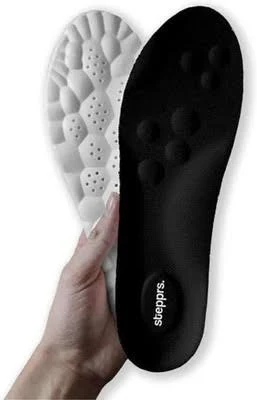
Adidas · Synthetic Athletic Insoles & Orthotics
Foam Insoles Adidas Sole Inserts Shoes Inserts Adidas Predator Replacement Insoles Shoe Insoles
Low-medium concern. Foam insoles rarely contain PFAS, but Adidas gives no disclosure.
These Adidas foam insoles use EVA or polyurethane cushioning without water-resistance coatings that need PFAS. Adidas hasn't publicly stated anything about PFAS in this product.
Still want this one anyway? Check the price on Amazon. We’d swap it.
Material
Foam (EVA, polyurethane, or similar cushioning polymer)
Lab data
No public lab test
What Foam Insoles Adidas Sole Inserts Shoes is made of, ingredients and materials
Adidas Predator replacement insoles are cushioning foam, typically EVA (ethylene-vinyl acetate) or polyurethane blends bonded to fabric or synthetic leather covers. EVA and polyurethane are inert once cured and do not off-gas formaldehyde or volatile organic compounds at normal wear temperatures. The risk profile depends on adhesives used in layering and any antimicrobial or flame-retardant treatments applied to the cover fabric, neither of which Adidas publicly discloses for this SKU.
What’s concerning
Category baseline
The starting point for this type of product, before anything specific to this product is counted.
No PFAS disclosure
No public statement from the brand about PFAS in this product.
Formaldehyde / VOCs
Foam-to-cover layering uses adhesives that may contain isocyanates or formaldehyde-releasing glues. Adidas does not disclose adhesive formulations for this product; residual off-gassing is unlikely but unconfirmed.
Source, ATSDR ↗Antimicrobial or anti-odor treatments
Many commercial insoles are treated with silver nanoparticles or triclosan to inhibit bacterial growth and odor. Adidas does not confirm or deny such treatments; skin contact risk is low but not ruled out.
Microplastic shedding from foam degradation
Extended wear causes foam breakdown and potential microparticle release. Inhalation risk is minimal in normal use; concern is environmental persistence after disposal.
What’s reassuring
Base material not linked to PFAS
The main material recorded for this product is not one associated with PFAS.
Volatile organic compounds (VOC) off-gassing
Cured EVA and polyurethane foam do not typically release VOCs at room temperature. Risk is negligible unless product smells strongly of solvents on arrival, indicating incomplete curing.
Azo dyes and colorant toxins in cover fabric
Adidas synthetic leather or textile covers may use azo dyes, which can release carcinogenic amines under hydrolysis or sweat exposure. No specific safety incidents reported for Adidas insoles; testing not publicly available.
The full breakdown
The brand's record and disclosure
Adidas publishes sustainability and chemical management frameworks but does not provide product-specific material safety data sheets for insole replacements. The brand has faced scrutiny over PFAS use in textiles and coatings but has not disclosed PFAS in foam insoles. No recalls or regulatory actions specifically targeting Adidas insoles for chemical hazards are on record. Transparency for this category is industry-wide weak; competitors rarely disclose insole composition in detail.
How it compares in its category
Replacement foam insoles across brands (Adidas, Nike, Dr. Scholl's, Superfeet) share similar material chemistry and pose comparable low-level hazard profiles. Premium insoles sometimes use cellulose or cork composites instead of synthetic foam, which may reduce chemical processing but offer no clear safety advantage. Adidas insoles are mid-market in terms of transparency; some smaller brands publish curing protocols and adhesive ingredient lists, while most do not.
If you buy it
Ensure insoles are fully cured (odorless) before use; strong chemical smell on opening suggests incomplete processing and warrants return. Avoid prolonged exposure to direct heat (dishwasher, direct sun, inside heated ovens) as polyurethane can soften above 60-70°C. Replace every 12-18 months or when compression is visible, as degraded foam may shed microparticles. Hand wash only if needed; air dry at room temperature.
What we don’t know
- Basis
- Model estimate, 72% confidence, not a lab result
- Lab test
- None on record for this exact product
- Brand statement
- Adidas has made a specific claim
Formulations change between production runs, so check the current label. How we grade.
More synthetic athletic insoles & orthotics grades
How we score, every product runs through the same public 0-100 rubric based on materials, coatings, brand disclosure, lab findings, and recalls. See the full methodology → Spotted a mistake? Report an error.