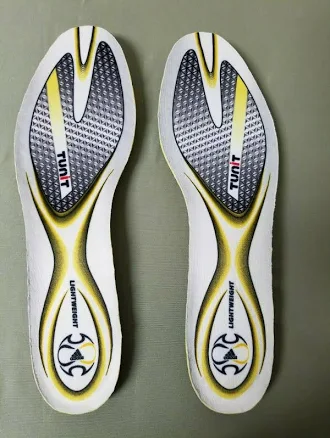
Adidas · Synthetic Athletic Insoles & Orthotics
Adidas +f50 Tunit Light Weight Chassis Insoles.
Insole foam and fabric unlikely to contain PFAS, but Adidas makes no disclosure.
EVA foam insoles with textile uppers present lower inherent PFAS risk. Adidas provides no PFAS transparency for this product line.
Still want this one anyway? Check the price on Amazon. We’d swap it.
Material
EVA foam, synthetic textiles
Lab data
No public lab test
What Adidas +f50 Tunit Light Weight Chassis is made of, ingredients and materials
The +f50 Tunit uses EVA (ethylene-vinyl acetate) foam as the primary cushioning material, a thermoplastic elastomer that is chemically inert and stable at room temperature and normal foot temperatures. Synthetic textiles cover the foam surface; these are typically polyester or nylon blends. EVA does not leach toxic compounds under normal wear conditions, and the textile covering prevents direct skin contact with any potential foam degradation products.
What’s concerning
Category baseline
The starting point for this type of product, before anything specific to this product is counted.
No PFAS disclosure
No public statement from the brand about PFAS in this product.
Formaldehyde / VOCs
Polyester and nylon blends used in insole uppers may contain formaldehyde-based resins for wrinkle resistance or dye fixation. Concentration is typically minimal in finished insoles, and skin contact is brief. No specific testing or complaints documented for this product.
Source, ATSDR ↗Azo dyes in textile covering
Synthetic textile dyes may include azo compounds, which can release carcinogenic amines under certain conditions. Insoles typically use darker dyes (black, grey) and are not subject to sweat or heat exposure sufficient to trigger breakdown. Risk is low relative to apparel worn directly against skin.
EVA thermal degradation
EVA foam can degrade and off-gas volatile organic compounds (VOCs) if exposed to sustained heat above 60-70°C. Normal foot temperature (around 35-37°C) does not trigger this. Risk emerges only if insoles are stored near heat sources or in hot vehicles for extended periods.
Microplastics
EVA foam fragments can shed microscopic particles with age and wear. Quantity is small and limited to the insole interior; particles do not enter the bloodstream from skin contact and are not ingested. This is a minor environmental concern rather than a direct health hazard.
Source, EPA ↗What’s reassuring
Base material not linked to PFAS
The main material recorded for this product is not one associated with PFAS.
Heavy metals
Adidas does not disclose pigment composition, but modern synthetic textile dyes rarely contain cadmium or lead in regulated markets. No testing or recalls indicate contamination in Adidas insoles. Risk is theoretical only.
Source, FDA ↗The full breakdown
The brand's record and disclosure
Adidas has not published detailed material safety data sheets or restricted substance lists specific to insole products. The company maintains a general sustainability commitment but does not voluntarily disclose PFAS, formaldehyde, or heavy metal testing results for footwear components. No recalls or safety violations tied to Adidas insoles are on record. The silence on disclosure is a transparency gap rather than evidence of harm.
How it compares in its category
EVA foam insoles are industry standard; many competitors (Nike, Asics, New Balance) use identical or similar materials with no hazard of this kind on record. Insoles are a lower-risk category than full shoes because they contact skin only briefly and are not heated or microwaved. Replacement frequency (every 6-12 months) limits long-term exposure.
If you buy it
Store in a cool, dry place away from direct heat and sunlight, which can accelerate EVA degradation over years. Do not machine wash; rinse gently with cool water and air dry. Replace when compression reduces cushioning visibly or odor develops, typically after 6-12 months of regular use. Monitor for any skin irritation (rare); discontinue use if rash or allergic response occurs.
What we don’t know
- Basis
- Model estimate, 72% confidence, not a lab result
- Lab test
- None on record for this exact product
- Brand statement
- Adidas has made a specific claim
Formulations change between production runs, so check the current label. How we grade.
More synthetic athletic insoles & orthotics grades
How we score, every product runs through the same public 0-100 rubric based on materials, coatings, brand disclosure, lab findings, and recalls. See the full methodology → Spotted a mistake? Report an error.