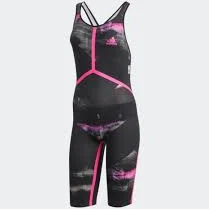
adidas Adizero BS Women's Swimsuit
Skip or contact Adidas directly; swimsuit likely has water-repellent coating but brand offers no PFAS transparency.
Adizero swimsuits use synthetic fabrics treated for water repellency, typically a PFAS application. Adidas provides no PFAS disclosure or certification.
The better-graded swap
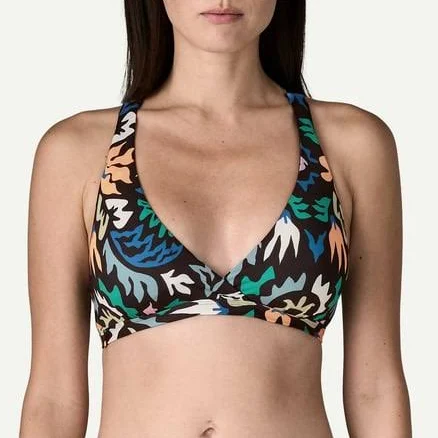
Patagonia
Patagonia Women's Bottom Turn Racerback Bikini Top
90/100 safety
Same rubric that flunked this product. The swap earned Excellent.
Still want this one anyway? Check the price on Amazon. We’d swap it.
Material
Polyester/nylon blend with water-repellent coating (water-repellent coating) treatment
Lab data
No public lab test
What adidas Adizero BS Women's Swimsuit is made of, ingredients and materials
The Adizero BS combines polyester with nylon in a blend designed for competitive swim performance. The water-repellent coating (water-repellent coating) finish is the functional concern, most water-repellent coating coatings historically relied on fluorinated compounds (PFAS), though some brands have switched to non-fluorinated alternatives. Adidas has not publicly disclosed which chemistry they use in this model, leaving the specific water-repellent coating safety status unclear. Polyester and nylon themselves are stable, low-leach synthetics under normal wear.
What’s concerning
Category baseline
The starting point for this type of product, before anything specific to this product is counted.
No PFAS disclosure
No public statement from the brand about PFAS in this product.
Waterproof / stain-resistant treatment
Water-repellent coating treatments have historically used PFAS.
Azo dyes in polyester
Adidas colorways in this model are not independently tested for restricted azo dyes that can release carcinogenic amines. Industry compliance is assumed but not verified per product lot.
Microplastic shedding
Polyester and nylon swimwear shed microfibers during wear and washing, releasing small plastic particles into waterways; this is a known environmental concern for all synthetic swimsuits in this category, including the Adizero.
water-repellent coating degradation and leaching
If the water-repellent coating uses fluorinated compounds, heavy washing or exposure to high chlorine can degrade the coating and increase potential release; Adidas has not disclosed coating stability or leach testing.
What’s reassuring
Formaldehyde / VOCs
No documented formaldehyde releases in Adidas competitive swimwear; modern polyester-nylon finishes rarely use formaldehyde resins, but testing is not published.
Source, ATSDR ↗Antimony in polyester
Antimony trioxide is used as a catalyst in some polyester production. Adidas does not disclose catalyst sourcing or residual antimony levels; leaching risk in normal pool/ocean use is considered negligible by regulatory bodies, but direct testing of this model is unavailable.
The full breakdown
The brand's record and disclosure
Adidas has not released comprehensive PFAS policy statements or material transparency reports comparable to leaders in sportswear (e.g., Patagonia). The company has faced pressure on synthetic fiber microplastic shedding in apparel but has not published specific test data or phase-out timelines for PFAS in water-repellent coating treatments. No major recalls or contamination incidents are on record for this specific model. Their silence on water-repellent coating chemistry is the key disclosure gap.
How it compares in its category
High-performance competitive swimwear typically relies on water-repellent finishes to reduce drag; untreated polyester-nylon suits offer no such advantage but also eliminate water-repellent coating chemical risk entirely. Brands like Speedo and Arena similarly do not disclose water-repellent coating chemistry for most models. A small number of sustainable brands offer PFAS-free swim options, but they represent a niche and often sacrifice performance durability. The Adizero's performance focus places it in the mainstream category where PFAS uncertainty is standard.
If you buy it
Rinse in cool fresh water after each use to extend water-repellent coating durability and reduce salt/chlorine degradation. Do not machine wash or tumble dry; hand wash in cool water and lay flat to dry. water-repellent coating coatings fade with time and washing (typically 20-50 uses); when water no longer beads, replacement is warranted. If you prioritize avoidance of potential PFAS exposure, contact Adidas customer service directly to ask whether this model uses fluorinated or non-fluorinated water-repellent coating before purchase.
What we don’t know
- Basis
- Model estimate, 45% confidence, not a lab result
- Lab test
- None on record for this exact product
- Brand statement
- Adidas has made a specific claim
Formulations change between production runs, so check the current label. How we grade.
Better-graded alternatives in Swimwear
Patagonia
Women's Bottom Turn Racerback Bikini Top
- Nylon/polyester blend with elastane (standard swimwear)
- The brand calls it PFAS-free, which we have not verified
- Elastane (spandex) degradation under heat or chlorine

Solid & Striped
Taylor One Piece Seersucker Plaid
- Cotton/cotton-blend seersucker plaid
- We found no PFAS statement from the brand
- Azo dyes and colorfast stability
2 hazards checked on this product. See all of them.
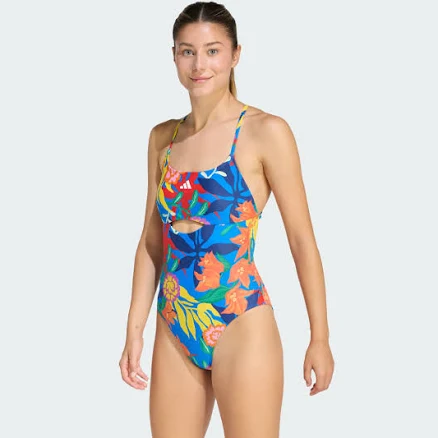
Adidas
Women's Mexicana Florals Tie-Back Swimsuit
- Polyester/nylon swimsuit fabric, likely uncoated or standard finish
- Azo dyes and synthetic colorants
4 hazards checked on this product. See all of them.
More swimwear grades
How we score, every product runs through the same public 0-100 rubric based on materials, coatings, brand disclosure, lab findings, and recalls. See the full methodology → Spotted a mistake? Report an error.