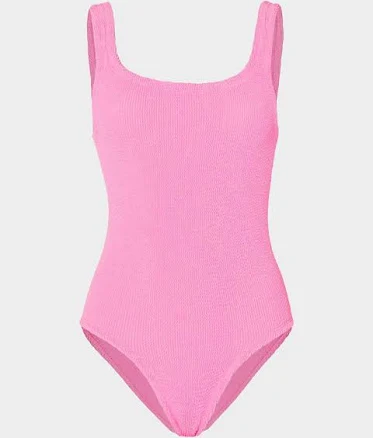
Hunza G Coverage Square Neck One-Piece
Elevated PFAS risk from water-repellent coating treatment; brand provides no disclosure or commitment.
This nylon swimsuit uses water-repellent coating finish typical of performance swimwear, but brand makes no statement about PFAS or PFAS-free status. Standard water-repellent coating treatments commonly use fluorinated compounds.
The better-graded swap
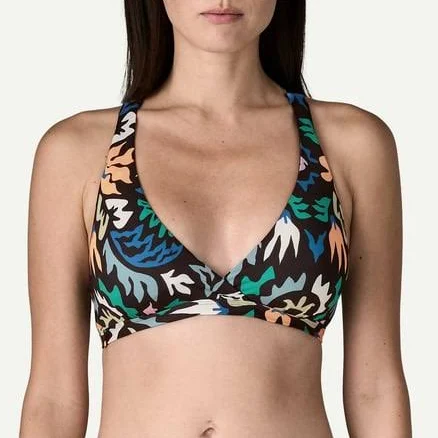
Patagonia
Patagonia Women's Bottom Turn Racerback Bikini Top
90/100 safety
Same rubric that flunked this product. The swap earned Excellent.
Still want this one anyway? Check the price on Amazon. We’d swap it.
Material
Nylon blend with water-repellent coating finish (likely fluorinated)
Brand disclosure
Brand is silent on PFAS
Lab data
No public lab test
What Hunza G Coverage Square Neck One-Piece is made of, ingredients and materials
Hunza G's Coverage Square Neck is nylon blend with a water-repellent coating (water-repellent coating) finish, almost certainly fluorinated given industry standards and the brand's positioning in luxury resort wear. water-repellent coating coatings are applied to improve water beading and quick-dry performance but are the primary PFAS exposure vector in swimwear. The nylon base itself is stable and does not leach or degrade readily in normal use, but the water-repellent coating treatment is where chemical concern concentrates.
What’s concerning
Category baseline
The starting point for this type of product, before anything specific to this product is counted.
No PFAS disclosure
No public statement from the brand about PFAS in this product.
Waterproof / stain-resistant treatment
Water-repellent coating treatments have historically used PFAS.
PFAS
Nylon water-repellent coating finishes commonly use fluorinated chemistry; Hunza G has not disclosed its specific formulation, but industry standard practice involves C6 or C8 fluorinated compounds that leach into water and skin contact over time.
Source, ATSDR ↗Azo dyes in pigmentation
Hunza G's bold color range (typical of the brand) may use azo dyes, which can release carcinogenic amines under acidic or high-temperature conditions. No specific testing or incident reported for this product, but risk increases with darker or more saturated colors.
Microplastic shedding from nylon
Nylon swimwear sheds microfibers during washing and wear, particularly as water-repellent coating degrades. This is a material-class issue, not brand-specific, but occurs in all nylon swimwear and enters aquatic environments during laundry.
Contact dermatitis from residual chemical finishes
Some wearers report skin irritation from new swimwear, which can be caused by unreacted water-repellent coating monomers or dye residues. Pre-washing may reduce this, but Hunza G does not provide wash-before-wear guidance.
What’s reassuring
Heavy metals
No documented cases of heavy metal contamination in Hunza G products. However, luxury brands sourcing from unverified dyers in regions with weak environmental enforcement carry residual risk; the brand provides no testing certificates.
Source, FDA ↗The full breakdown
The brand's record and disclosure
Hunza G provides no public documentation of water-repellent coating chemistry, supplier standards, or PFAS testing. The brand has not published sustainability or chemical disclosure statements despite marketing itself as a premium, design-conscious label. No major recalls or contamination findings are documented, but the absence of transparency on a known chemical category (fluorinated water repellents) is a significant red flag relative to competitors offering fluorine-free or certified water-repellent coating alternatives.
How it compares in its category
Luxury swimwear brands vary widely, some (e.g., Patagonia) have committed to PFOA/PFOS phase-out and use fluorine-free water-repellent coating; others remain opaque. Hunza G's silence places it in the middle-to-lower tier of transparency for its price point. Budget and mid-market competitors often use identical fluorinated water-repellent coating without disclosure either, so Hunza G is not anomalous, but it is not a leader in chemical governance for the category.
If you buy it
Rinse thoroughly after saltwater or chlorine exposure to reduce skin contact with residual water-repellent coating and any leached PFAS. Wash separately from other clothes to avoid cross-contamination of household items. Replace after 2-3 seasons of regular use, as water-repellent coating coatings degrade and may shed microfibers once worn. Consider requesting brand confirmation of water-repellent coating chemistry before purchase if PFAS avoidance is a priority; if unavailable, weigh this against your acceptable risk tolerance for a luxury item.
What we don’t know
- Basis
- Model estimate, 58% confidence, not a lab result
- Lab test
- None on record for this exact product
- Brand statement
- Hunza G has made none
Formulations change between production runs, so check the current label. How we grade.
Better-graded alternatives in Swimwear
Patagonia
Women's Bottom Turn Racerback Bikini Top
- Nylon/polyester blend with elastane (standard swimwear)
- The brand calls it PFAS-free, which we have not verified
- Elastane (spandex) degradation under heat or chlorine
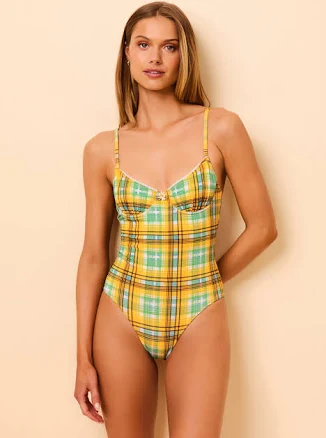
Solid & Striped
Taylor One Piece Seersucker Plaid
- Cotton/cotton-blend seersucker plaid
- We found no PFAS statement from the brand
- Azo dyes and colorfast stability
2 hazards checked on this product. See all of them.
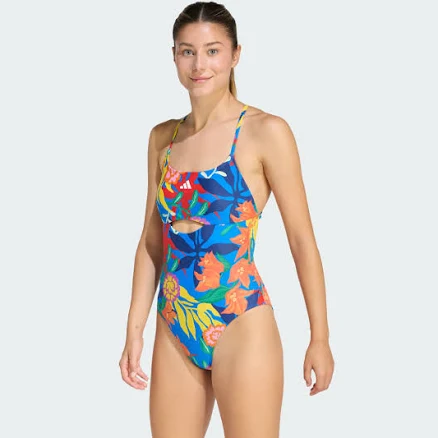
Adidas
Women's Mexicana Florals Tie-Back Swimsuit
- Polyester/nylon swimsuit fabric, likely uncoated or standard finish
- Azo dyes and synthetic colorants
4 hazards checked on this product. See all of them.
More swimwear grades
How we score, every product runs through the same public 0-100 rubric based on materials, coatings, brand disclosure, lab findings, and recalls. See the full methodology → Spotted a mistake? Report an error.