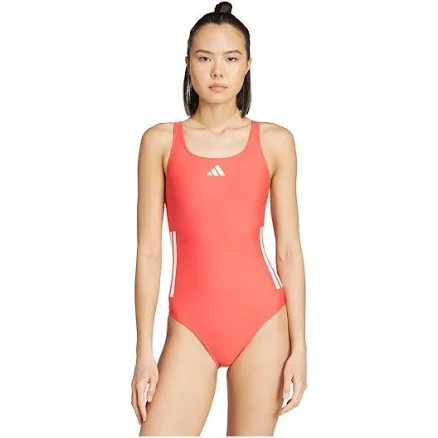
Women's adidas 3-Stripes
Lower concern for standard athletic wear; no water-repellent treatment typical.
Basic woven athletic garment lacks water-repellent, stain-resistant, or special performance coating requiring PFAS chemistry. No lab data or recalls documented.
The better-graded swap
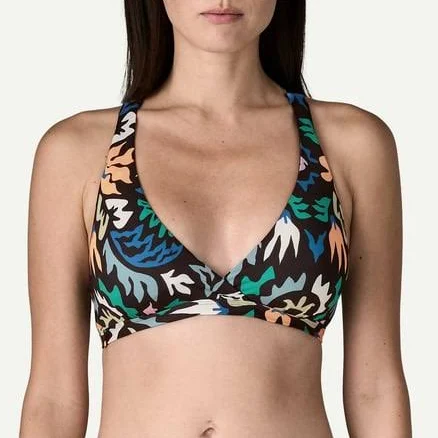
Patagonia
Patagonia Women's Bottom Turn Racerback Bikini Top
90/100 safety
Same rubric that flunked this product. The swap earned Excellent.
Still want this one anyway? Check the price on Amazon. We’d swap it.
Material
Polyester/nylon woven athletic fabric
Lab data
No public lab test
What Women's adidas 3-Stripes is made of, ingredients and materials
This product uses polyester and nylon woven athletic fabrics, common base materials in competitive and recreational swimwear. Neither polyester nor nylon inherently leaches hazardous chemicals into skin or water during normal wear. The absence of water-repellent coating (per context) eliminates the primary vector for PFAS in swimwear, since durable water resistance typically requires fluorinated treatments. Standard dyeing and finishing processes may introduce residual chemicals, but these are generally removed or minimal after manufacture and washing.
What’s concerning
Category baseline
The starting point for this type of product, before anything specific to this product is counted.
No PFAS disclosure
No public statement from the brand about PFAS in this product.
Heavy metals
Polyester swimwear relies on synthetic dyes; low-cost production batches may contain residual heavy metals (e.g., cadmium, lead) or restricted azo dyes. Adidas manufacturing audits reduce this risk compared to unbranded alternatives, but independent testing of this specific product is unavailable. Risk is lowest after rinsing.
Source, FDA ↗Formaldehyde / VOCs
Athletic polyester fabrics sometimes receive low-level formaldehyde-based finishing treatments for shape retention. Exposure risk is minimal during wear and largely eliminated by pre-wash rinsing. No recalls or complaints specific to Adidas swimwear on this hazard are documented.
Source, ATSDR ↗Microplastic shedding
Synthetic polyester and nylon swimwear shed microfibers during washing and wear, contributing to aquatic microplastic pollution. This is an environmental rather than direct consumer health hazard, but relevant to product category impact. Using a microfiber filter bag during washing reduces (but does not eliminate) release.
Degradation products from chlorine exposure
Polyester and nylon fibers degrade when exposed to pool chlorine over time, potentially releasing small amounts of degradation byproducts. This is a predictable wear-related phenomenon rather than a manufacturing defect; accelerated fiber breakdown occurs after 50+ pool uses.
What’s reassuring
Base material not linked to PFAS
The main material recorded for this product is not one associated with PFAS.
Antimony in polyester
Antimony trioxide is an FDA-approved catalyst in polyester manufacture, present in trace amounts in finished fiber. Migration into skin or water during normal swimwear use has not been established as a hazard in peer-reviewed literature. This is a theoretical rather than practical concern for consumer swimwear.
The full breakdown
The brand's record and disclosure
Adidas has faced sustainability criticism over labor and environmental practices, but maintains ISO 14001 environmental certifications and participates in bluesign(R) system auditing for textile chemicals. The brand does not publicly disclose detailed PFAS elimination commitments for athletic wear lines, reflecting an industry-wide gap in swimwear transparency. No major chemical-safety recalls or substantiated contamination reports are on record for mainstream Adidas swimwear products. Their silence on PFAS stance is typical for athletic brands without explicit water-repellent claims.
How it compares in its category
Standard polyester/nylon swimwear is the baseline for this category; this product sits squarely in the middle of the safety spectrum. Concerns in swimwear focus primarily on PFAS in durable water-resistant finishes (which this product lacks) and azo dyes in lower-cost imported alternatives. Adidas's manufacturing standards are generally more controlled than ultra-budget brands, reducing (though not eliminating) residual dye and heavy-metal risk. Specialty eco-labeled swimwear (GOTS organic, Bluesign certified) offers marginally lower chemical risk but at higher cost.
If you buy it
Rinse the swimsuit in cool water before first wear to remove any loose dyes or finishing agents. Wash in cool water with mild detergent after each use to minimize dye migration and extend fiber durability; avoid bleach and hot water. Polyester and nylon degrade under prolonged UV and chlorine exposure; replace when elasticity noticeably declines (typically 1-2 years of regular use). Store dry in a cool place away from direct sunlight to slow polymer breakdown.
What we don’t know
- Basis
- Model estimate, 72% confidence, not a lab result
- Lab test
- None on record for this exact product
- Brand statement
- Adidas has made a specific claim
Formulations change between production runs, so check the current label. How we grade.
Better-graded alternatives in Swimwear
Patagonia
Women's Bottom Turn Racerback Bikini Top
- Nylon/polyester blend with elastane (standard swimwear)
- The brand calls it PFAS-free, which we have not verified
- Elastane (spandex) degradation under heat or chlorine
More swimwear grades
How we score, every product runs through the same public 0-100 rubric based on materials, coatings, brand disclosure, lab findings, and recalls. See the full methodology → Spotted a mistake? Report an error.