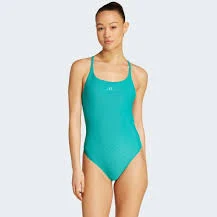
Iconisea Ribbed Padded Thin Straps Swimsuit
Lower PFAS concern; standard swimsuit materials without known water-repellent finish.
Basic nylon-elastane swimsuit without disclosed special coatings or finishes. Adidas has not publicly committed to PFAS-free manufacturing or provided testing data.
The better-graded swap
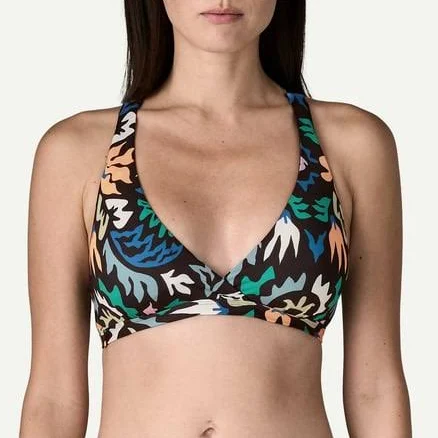
Patagonia
Patagonia Women's Bottom Turn Racerback Bikini Top
90/100 safety
Same rubric that flunked this product. The swap earned Excellent.
Still want this one anyway? Check the price on Amazon. We’d swap it.
Material
Nylon/polyester blend with elastane (spandex)
Brand disclosure
Brand is silent on PFAS
Lab data
No public lab test
What Iconisea Ribbed Padded Thin Straps is made of, ingredients and materials
This swimsuit combines nylon and polyester with elastane (spandex) for stretch and recovery. Nylon and polyester are synthetic polymers that do not leach significant chemicals into water under normal use, though both can shed microfibers when washed. The elastane component maintains fit through repeated stretching but degrades over time with chlorine and UV exposure, which is normal wear rather than a safety defect. The ribbed padded thin-strap construction uses the same polymer bases without added foam coatings or specialized water-repellent finishes that would introduce PFAS or other treatments.
What’s concerning
Category baseline
The starting point for this type of product, before anything specific to this product is counted.
No PFAS disclosure
No public statement from the brand about PFAS in this product.
Elastane degradation and leaching
Elastane (spandex) can degrade faster in chlorinated water, releasing oligomers into the pool or washing water, but at levels not classified as acute hazards. Degradation is cosmetic and functional (loss of stretch) rather than toxicological and is a normal end-of-life occurrence.
Microfiber shedding from washing
Nylon and polyester swimwear shed microfibers during washing; this is documented in textile microplastics research but not a personal use hazard. Environmental concern is broader than product safety, but hand washing or using a microfiber-collection laundry bag can reduce shedding.
What’s reassuring
Base material not linked to PFAS
The main material recorded for this product is not one associated with PFAS.
Azo dyes and synthetic colorants
No documented azo dye contamination or heavy metal pigment issues reported for this Adidas model. Standard polyester dyeing processes used in mass-market swimwear do not typically introduce hazardous levels of aromatic amines under EU or US regulatory thresholds.
Formaldehyde / VOCs
Formaldehyde-releasing finishes are rare in swimwear (more common in wrinkle-resistant apparel). No evidence of durable-press or crease-resist treatments on this ribbed padded model that would require formaldehyde-based resins.
Source, ATSDR ↗Heavy metals
Nylon, polyester, and elastane do not require heavy metal catalysts or stabilizers at levels that migrate into skin or water under normal use. No recalls or test reports documenting lead, cadmium, or antimony in Adidas swimwear.
Source, FDA ↗The full breakdown
The brand's record and disclosure
Adidas has not publicly disclosed detailed chemical composition or PFAS testing data for most apparel lines, including swimwear, though the company committed in 2021 to phasing out intentional PFAS by 2025. No specific recalls or safety controversies are on record for this model. Adidas does not routinely publish formaldehyde, azo dye, or heavy metal test results for swimwear, which is typical across the industry but limits independent verification of lower-hazard claims.
How it compares in its category
Most mass-market swimwear uses identical nylon/polyester/elastane blends, making this product a category standard rather than an outlier. Higher-end or eco-branded alternatives sometimes substitute recycled polyester or offer PFAS-free certifications, but those carry similar wear profiles. Budget swimwear from fast-fashion retailers often lacks transparency entirely, so Adidas's silent stance on PFAS is consistent with competitors, not worse.
If you buy it
Rinse immediately after pool or ocean use to remove chlorine and salt, which accelerate elastane breakdown. Wash in cool water by hand or on gentle cycle; avoid fabric softener and bleach. Line-dry in shade to prevent UV damage and color fading; tumble drying speeds material degradation. Replace when elastic loses recovery (typically 1-2 years with regular use), not due to chemical hazard but due to normal performance decline.
What we don’t know
- Basis
- Model estimate, 72% confidence, not a lab result
- Lab test
- None on record for this exact product
- Brand statement
- Iconisea has made none
Formulations change between production runs, so check the current label. How we grade.
Better-graded alternatives in Swimwear
Patagonia
Women's Bottom Turn Racerback Bikini Top
- Nylon/polyester blend with elastane (standard swimwear)
- The brand calls it PFAS-free, which we have not verified
- Elastane (spandex) degradation under heat or chlorine
More swimwear grades
How we score, every product runs through the same public 0-100 rubric based on materials, coatings, brand disclosure, lab findings, and recalls. See the full methodology → Spotted a mistake? Report an error.