
Aerie Henley Full Coverage One Piece Swimsuit
Lower PFAS concern for basic swimwear. No evidence of water-repellent coating or specialty treatments.
Aerie's Henley one-piece appears to be a standard nylon-spandex swimsuit with no marketed water-repellent or stain-resistant finish. Aerie hasn't publicly disclosed PFAS use or committed to PFAS-free materials. As an untreated textile garment, it presents lower risk than products with water-repellent coating coatings.
The better-graded swap
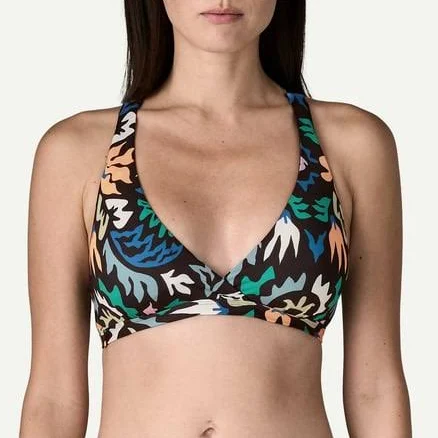
Patagonia
Patagonia Women's Bottom Turn Racerback Bikini Top
90/100 safety
Same rubric that flunked this product. The swap earned Excellent.
Still want this one anyway? Check the price on Amazon. We’d swap it.
Material
Nylon and spandex blend (no specialized water-resistant coating claimed)
Brand disclosure
Brand is silent on PFAS
Lab data
No public lab test
What Aerie Henley Full Coverage One Piece is made of, ingredients and materials
This swimsuit is a nylon and spandex blend with no specialized water-resistant (water-repellent coating) or antimicrobial coating applied. Nylon is a synthetic polymer with a long safety record in apparel; spandex (polyurethane elastomer) provides stretch and recovery. The absence of added coatings or treatments is a key safety advantage, as water-resistant finishes on swimwear are a primary source of PFAS in the category. The dyes and finishing processes used in production are the main chemical exposure points.
What’s concerning
Category baseline
The starting point for this type of product, before anything specific to this product is counted.
No PFAS disclosure
No public statement from the brand about PFAS in this product.
Azo dyes and colorants
Nylon swimwear is typically dyed using azo or disperse dyes. Some azo dyes are restricted by EU regulations but remain legal in the US. Aerie does not specify dye chemistry or conduct public restricted-substance testing; exposure risk is low under normal use but slightly elevated if seams fray or dye leaches in warm water.
Formaldehyde / VOCs
Nylon finishing may include formaldehyde-based resins for wrinkle resistance or shape retention. No evidence this product contains high levels, and swimwear is worn briefly and rinsed; off-gassing risk is minimal but not zero, especially on first wash.
Source, ATSDR ↗Spandex degradation and microfiber shedding
Spandex fibers degrade over time with UV, chlorine, and heat exposure. Fragments shed into water; while microplastic concern from textiles is growing, swimwear shedding is not yet quantified as a major hazard. Proper care (air dry, avoid direct sun, regular rinsing) reduces degradation rate.
Allergic reaction to dyes or finishes
Disperse dyes used in polyester-nylon blends can trigger contact dermatitis in sensitive individuals. Spandex itself is hypoallergenic but residual dyes may not be fully rinsed. First wash is recommended; discontinue use if irritation occurs.
What’s reassuring
Base material not linked to PFAS
The main material recorded for this product is not one associated with PFAS.
Lead
No recalls or test reports of elevated heavy metals in Aerie swimwear. Nylon dyes are not typically a primary source of these metals; risk is not established for this product category absent specific evidence.
Source, ATSDR ↗The full breakdown
The brand's record and disclosure
Aerie (American Eagle's subsidiary) does not publicly disclose detailed chemical testing or third-party certifications specific to swimwear safety (e.g., Oeko-Tex, GOTS). The brand has not issued recalls for chemical contamination in swimwear in publicly available records. Aerie's parent company American Eagle has made broad sustainability commitments but has not published swimwear-specific PFAS or heavy-metal testing results. This represents typical silence rather than a red flag; the brand's market positioning does not suggest aggressive use of problematic finishes.
How it compares in its category
Most mainstream swimwear brands use water-repellent coating (PFAS-based or PFC-free) finishes to improve water shedding and durability. This Aerie piece, positioned as basic full-coverage, likely skips such treatments, placing it below premium performance-oriented lines (Speedo, Nike) in durability but with lower concern regarding chemical load. Eco-certified swimwear (Patagonia, Organic Basics) typically offers more transparent testing; Aerie sits in the middle, offering no special assurance but no known red flags either.
If you buy it
Rinse immediately after swimming in chlorine or saltwater to remove residual chemicals and extend fabric life. Machine wash in cool water with mild detergent; avoid bleach and fabric softeners, which can degrade spandex and alter dyes. Air dry flat or hung, never in direct sunlight for extended periods, which can fade colors and weaken nylon fibers. Replace when elastic loses recovery (typically 1-2 years with regular use) or when seams show stress; degraded spandex will not provide intended support.
What we don’t know
- Basis
- Model estimate, 72% confidence, not a lab result
- Lab test
- None on record for this exact product
- Brand statement
- Aerie has made none
Formulations change between production runs, so check the current label. How we grade.
Better-graded alternatives in Swimwear
Patagonia
Women's Bottom Turn Racerback Bikini Top
- Nylon/polyester blend with elastane (standard swimwear)
- The brand calls it PFAS-free, which we have not verified
- Elastane (spandex) degradation under heat or chlorine
More swimwear grades
How we score, every product runs through the same public 0-100 rubric based on materials, coatings, brand disclosure, lab findings, and recalls. See the full methodology → Spotted a mistake? Report an error.